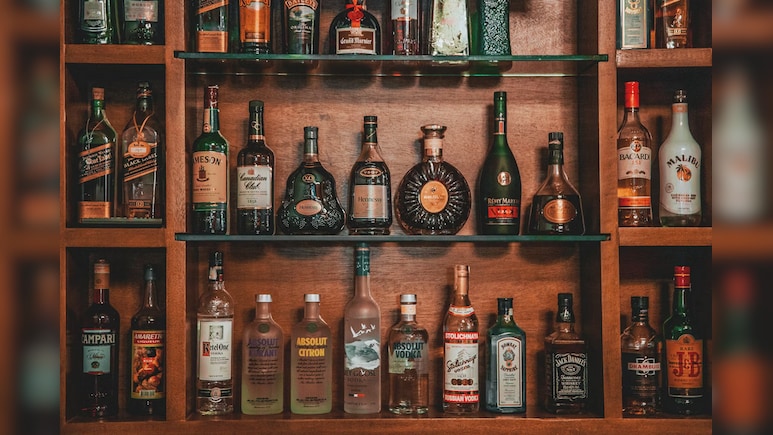
Karnataka's sweeping new liquor policy comes into effect on Monday, overhauling the way alcohol is taxed in one of India's largest spirits markets and setting off a significant redistribution of winners and losers across the industry.
The core change is structural. Under the old regime, excise duty was levied on bulk litres — the total volume of liquid in a bottle. The new policy taxes the actual alcohol content inside the bottle, a method that fundamentally alters the tax burden depending on where a brand sits in the price pyramid.
Why Cheap Liquor Gets More Expensive
Budget and everyday liquor brands typically contain lower concentrations of alcohol — often between 25 and 40% — packed into larger volumes of liquid. Under the old bulk-litre system, this actually worked in their favour, as tax was spread across the entire bottle rather than concentrated on alcohol content.
Also Read | Layoffs Are Rising In Tech, But These Skills Are Helping People Unlock Better Pay
Under the new framework, however, the tax is applied directly to the units of alcohol present in the bottle. Since popular brands are sold at thin margins and in high volumes, even a modest increase in the per-unit alcohol tax translates into a significant rise in the overall tax burden. Manufacturers have little room to absorb this increase, making a price hike to the consumer almost inevitable, says Nomura. It expect prices of Indian Made Liquor in this range to rise by 20–25%.
Why Premium Liquor Gets Cheaper
Premium spirits carry higher alcohol concentrations — typically above 40% — but were previously taxed under a fragmented multi-slab Additional Excise Duty (AED) structure that disproportionately burdened expensive brands.
Each pricing tier attracted a different slab rate, and as a bottle's declared value rose, so did the compounding tax load — making premium liquor artificially expensive. The new policy consolidates this into fewer, simpler slabs. Because premium brands are now taxed more rationally — on actual alcohol content rather than an escalating value-based formula — their effective tax liability drops considerably.
As per Nomura, prices in this category could fall by 10–20%, meaning a better bottle may soon cost you less.
Who Wins In The Stock Market
Brokerages have been quick to identify the big corporate beneficiaries. Emkay expects United Spirits to gain the most — around 8% — because nearly 90% of its sales come from the prestige-and-above category. Radico Khaitan is seen gaining around 4%. Karnataka is a significant market for both companies.
Nuvama adds that once prices cool, more people will buy premium liquor — driving volume growth. A pending UK trade deal kicking in from Q2 is seen as an added bonus for the sector.
Essential Business Intelligence, Sharp Market Insights, Practical Personal Finance Advice, Daily Fuel, Gold and Silver Prices and Latest Stories — On NDTV Profit.