Disruptions in the global supply chain and a surge in packaging costs due to rising crude oil prices have led to a shortage of local competition in markets like India, and it may support Unilever's volume growth in categories such as home care, said Chief Executive Officer Fernando Fernández.
The British multinational consumer goods maker "sees opportunities coming from the constraints in supply in the global market" even as its multipolar supply chain remains resilient.
"We are seeing some shortage in some local players, particularly in India and Southeast Asia, that can support our volumes, and it will make easier the passing of pricing in the future," said Fernández in the earnings call.
Also Read | Layoffs Are Rising In Tech, But These Skills Are Helping People Unlock Better Pay
In Q1/2026, the British consumer goods major achieved its highest-ever share in laundry powders in the Indian market, and is also "sharply" increasing its position in the fast-growing liquid detergent segment.
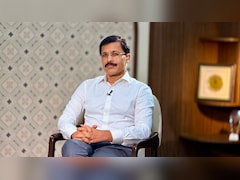
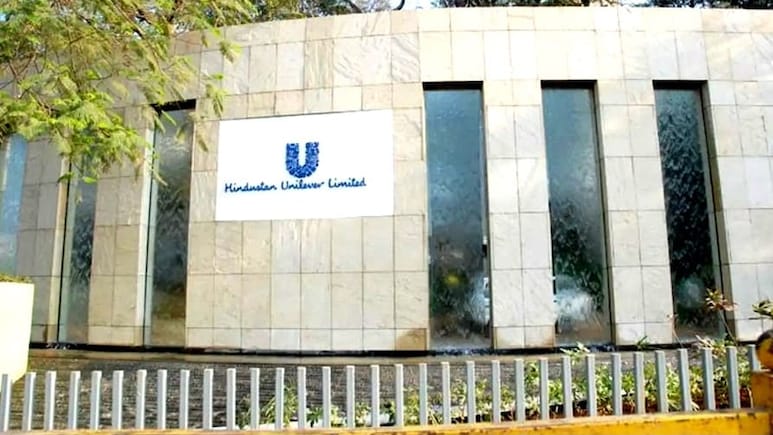
The performance of its local unit Hindustan Unilever Ltd (HUL), which reported a 6% volume growth in the March quarter, has been of a 'very high order', said Chief Financial Officer Srinivas Phatak, who was also on the call.
While inflationary pressures persist, driven by imported crude and currency movements, categories such as home care could actually benefit.
"Classically, in home care, inflation works in our favour," he said, underscoring HUL's ability to balance price and volume through its diverse portfolio.
"We have the portfolio to cater to the different price points through brands, but more importantly, a lot of the local players get constrained both from a supply perspective as well as cash," Phatak added.
ALSO READ: HUL Dividend: Hindustan Unilever To Payout Rs 22 Per Share — Check Record Date
Terming it as a "unique opportunity", Phatak further said that the Indian market will continue to keep the growth momentum going, with its ability to actually manage the right price and volume equation.
"Therefore, from a broad demand outlook perspective, India is looking good, and we are quite confident in terms of our ability to continue to keep the growth momentum," he said.
India is consistently ranked as Unilever's second-largest market globally by revenue, after the United States, with around 12-14% contribution to its total sales.
In the Indian market, the CFO said, the pricing actions, along with the GST, have started to spur growth in this.
"Even the new age brands such as Minimalist are performing quite well in the market, and that's giving us a lot of confidence in this segment," he said.
HUL is making investments in quick commerce, e-commerce, and broader omni-channel. HUL has reported a two-fold jump in sales from quick commerce in FY26, with e-commerce turnover up 25%.
"We have put in a new organisation to really address our quick commerce and e-commerce and omni-channel capability- that is functioning well," he said.
From a general trade perspective, HUL has increased the outlet coverage by about 200,000, totalling about 2.3 million.
Unilever has reported a turnover of 12.6 billion euros in Q1/2026, with volume growth of 2.9%.
(This story has not been edited by NDTV staff and is auto-generated from a syndicated feed.)
Essential Business Intelligence, Sharp Market Insights, Practical Personal Finance Advice, Daily Fuel, Gold and Silver Prices and Latest Stories — On NDTV Profit.