Ethanol To Keep Indian Mills On Sugar High, Says Shree Renuka's Atul Chaturvedi
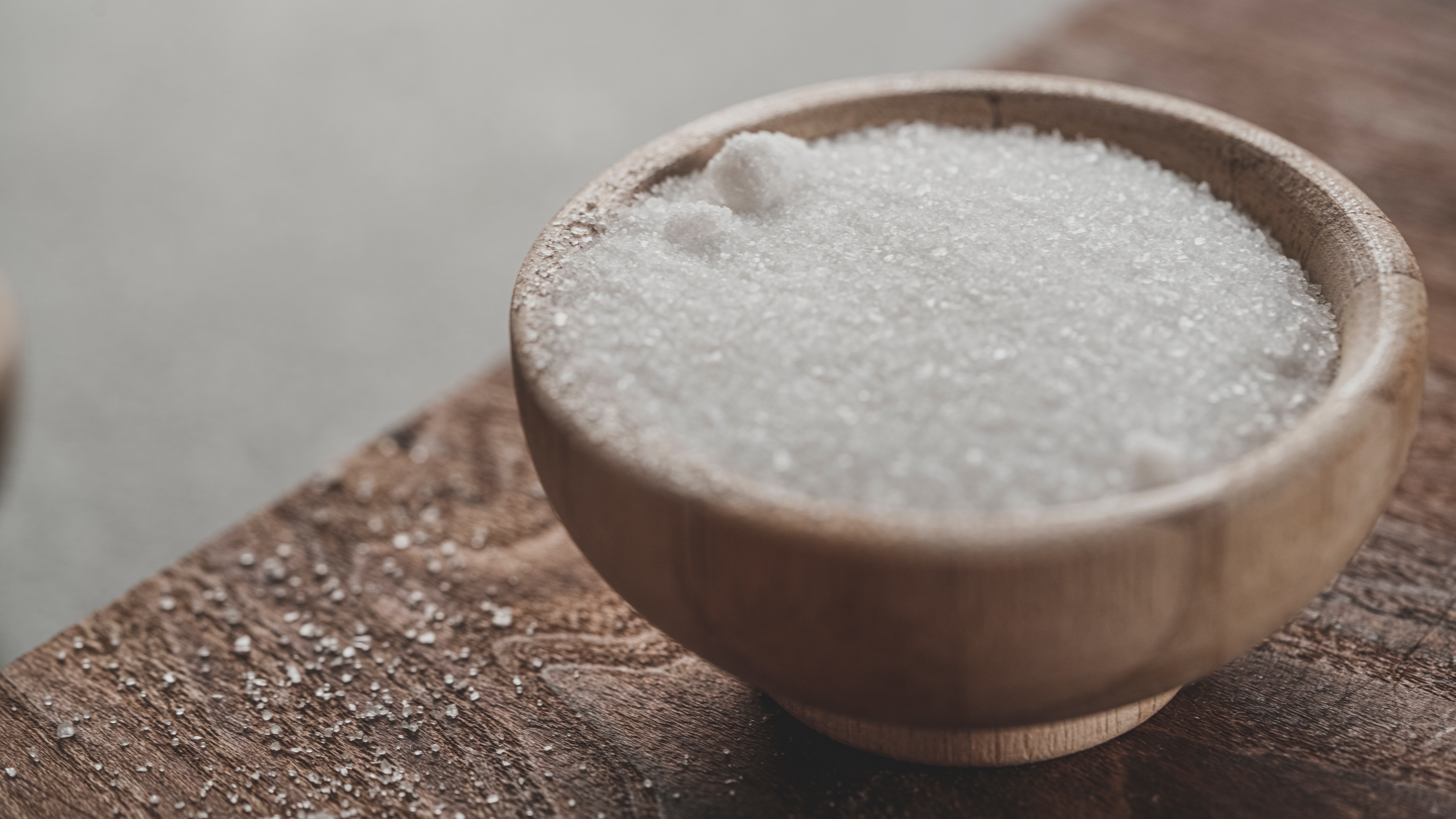
Sugar prices in the global market have been rising in recent months, reaching multi-year highs. However, the Indian domestic market does not mirror the international price scenario, according to Atul Chaturvedi of Shree Renuka Sugars Ltd.
Brazil is the world's largest sugar producer and the raw sugar price leader, presently producing over 600 million tonne of cane, Chaturvedi, executive chairman of Shree Renuka Sugars, told BQ Prime.
But its production is experiencing logistical difficulties—the rains have placed a strain on the country's shipping route, causing white sugar prices to rise, he said. In London as well, sugar prices have risen to nearly $700.
In comparison, the Indian sugar market has had a minimal reaction to the worldwide trend. Domestic sugar prices have risen by only Rs 2 per kilo, or Rs 2,000 per tonne. The El Niño effect with reduction in rainfall and the summer months are also factors that have prevented a surge in prices, he said.
Impact Of Delayed Monsoon
India is a sugar-surplus country, said Chaturvedi. This year, India's sugar production is expected to be about 32.75-32.8 million tonne, while domestic consumption is expected to be 27.4 million tonne, he said.
According to him, 4.5 million tonne of sugar will be diverted to ethanol blending this year. As a result, any hiccup in production owing to weather conditions will have little impact on the domestic sugar market, he said.
The government has already capped local pricing, and exports to 6.1 million tonne this year. It is expected to do the same next year as well, Chaturvedi said.
The only challenge would be matching the current year's sugar production levels with last year's, if Maharashtra and Karnataka continue to face a shortage of rain, he said.
Capacity Expansion
Shree Renuka's capacity was recently expanded from 720 kilo litres to 1,250 kilo litres.
The company's practice of using cane juice to supplement capacity during the season allows it to run at 125% of its typical capacity, Chaturvedi said.
During the season, its capacity rises to around 1,400 KL each day, he said.
Ethanol Industry Perspective and Pricing
Currently, ethanol is a critical outlet for the sugar business, Chaturvedi said.
The Indian government hopes to attain 10.16 billion litres of 20% ethanol blending by 2025. Grain-based ethanol production appears to be weak due to increased grain prices, he said.
India might produce 5.5 billion litres of sugar ethanol. If India achieves 20% blending, the government may have to alter the 5.5 billion litre figure to 7.5-8 billion litres, Chaturvedi said.
Shree Renuka Sugars largely generates revenue from two different avenues, he said. The first stream is port-based refineries, where the corporation buys raw sugar under advanced licences and then re-exports it after adding value.
The milling aspect of the business is the company's second revenue stream, Chaturvedi said The distilleries used to produce ethanol are located in the mills. Ethanol revenue accounts for 40-45% of the milling revenue stream.
The ethanol business has not witnessed a price hike, but one is expected soon, according to him. The difference between sugar and ethanol is shrinking, he said.
While the segment of ethanol generated from cane remains subsidy-free—the government buys at Rs 65 per litre, while the consumer pays Rs 100 per litre—the government should not be afraid of a price hike, he said.
Interest Subvention Scheme
The government established the interest subvention scheme for farmers, to enable short-term financing at subsidised interest rates. According to recent press reports, the plan has been extended till Sept. 30.
The scheme now requires all entities engaged to obtain banking sanctions by Sept. 30, and then to build the necessary plants within 2.5 years. This action allows previously slowed down projects to catch up. The initiative will also boost ethanol production, Chaturvedi said.
The Indian sugar industry has moved beyond its previous cyclical nature, according to him.
Cane provides farmers with a higher return than other crops. Farmers' interest in raw material production is strong, thanks to guaranteed payments as well as fair and remunerative pricing, he said.
According to him, India's irrigation infrastructure has improved year after year, with expanded irrigation systems created in Maharashtra, Karnataka, and Uttar Pradesh remaining generally unaffected by a lack of rain. The potential of the ethanol blending market assists enterprises in easing and managing stock buildup, thus enhancing cash flows, he said.
Watch the full video here:

-
High US Salaries, No Green Card Certainty: The Financial Calculation Facing Indian H-1B Families

The suspension of PERM processing at eight technology employers does not cancel existing H-1B visas. What it does is force a question many Indian families have been avoiding: is the US salary worth tying your career and family plans to one employer?
-
Swiggy vs Eternal: Food Delivery's Two Rivals Are No Longer In The Same Race
Eternal is building a private AI assistant, dark.ai. Swiggy is still working out how to make Instamart pay, with an operating loss of Rs 895 crore in the July-September quarter while Blinkit stayed profitable.
-
Where You Live Shapes How You Get To Work | The Reason Why
Two-wheelers are the most popular way to get to work in India, accounting for nearly 43% of workplace commutes.
-
Unhedged Position: Can India See An Indonesia-Style Time Correction?
The Nifty is trading below levels it first clocked in 2024. Is there, then, as I have suggested in the headline, potential that the current time correction drags on painfully for the next three-five, even ten years?
-
Navigating Friction And Energy Realities: An Analysis Of Marco Rubio's October Visit To India
Occurring at a critical juncture marked by stalled trade negotiations and escalating geopolitical pressures over global energy supplies, the visit offers a profound window into modern US-India relations.
-
India Exports Capital. Why Not Export Trusteeship?
The big question, then, is whether India can build an institution that global borrowers, investors, banks, and lawyers can trust, even without an Indian connection.
-
France's Economy & Politics Are In Crisis | The Reason Why
Let's look at how the French economy and politics evolved under Nicolas Sarkozy, Franois Hollande and Emmanuel Macron.
-
You May Inherit The Business. You Must Earn Its Credibility.
Succession tests the founder's ability to share authority as much as it tests the next generation's readiness to assume it.
-
Signing Deals Is One Thing; Making Them Work Is Another | The Week In Whys
Sometimes, things don't turn out as planned. Indian companies have lost some bids to rivals, some projects won't produce until 2030.
-
FOMC Wall, PERM Suspension, Hospital Stocks | Talking Points This Week
A PERM suspension would directly affect green-card sponsorship rather than H-1B visas, so the near-term earnings impact could remain relatively limited. The key question is whether this marks a new phase in US scrutiny of Indian IT.