The Delhi High Court has upheld the Centre's decision to include all medical devices within the ambit of 'drug' under the law regulating drugs and cosmetics.
A bench headed by Justice Rajiv Shakdher rejected petitions by the Surgical Manufacturers and Traders Association challenging the central government's 2018 and 2020 notifications first declaring four medical devices as “drugs” under the Drugs and Cosmetics Act, and then spreading the net to cover all medical devices.

-
 Indian Markets Turning Corner After Two Tough Years, Says Sandeep Tandon
-
 NDTV Profit Ignite 2026: Experts See Opportunity In Equities, Stay Bullish For Long-Term
-
 Buy Right, Sit Tight Does Not Work for Individual Stocks, Says Dinshaw Irani
-
 'Worst Is Behind': Quant MF Sees Market Bottom, Flags 'Extreme Euphoria' In Midcaps
-
 India's Mutual Fund Industry Could Become A $1 Trillion Opportunity, Say Fund Managers
-
 'Foreign Investors Are Baraatis': Raamdeo Agrawal's Take On LTCG Tax
-
 Stay Invested Through Market Cycles: Raamdeo Agrawal at NDTV Profit Ignite
-
 Ramesh Damani Remains Bullish On India For Next 20-30 Years, Sees Bargains Amid Market Weakness
-
 CAS Came After A Long Consultation Process: SEBI Chairman Tuhin Kanta Pandey AT NDTV PROFIT IGNITE
-
 Aim To Cut FPI Onboarding Time From Mth To Five Days: SEBI Chairman Tuhin Kanta Pandey AT NDTV PROFI
The court said the decision to include all medical devices as “drugs” was a policy matter and no case for interference was made out as there was no arbitrariness or unreasonableness.
Also Read | Layoffs Are Rising In Tech, But These Skills Are Helping People Unlock Better Pay
“Ministry of Health and Family Welfare, in its wisdom, thought it fit to bring all medical devices within the ambit of the expression 'drug'. This is clearly a policy matter,” the bench, also comprising Justice Tara Vitasta Ganju, said in a recent order dated Sept. 1.
“To our minds, there is no manifest arbitrariness or unreasonableness in the shift in policy of bringing all medical devices within the ambit of a regulatory regime. Our postscript is, if we were to allow the writ petitions, figuratively speaking, we would be throwing away the baby with the bathwater,” the court opined.
The authorities should, however, take measures to quickly iron out the kinks found while progressing the regulatory regime, the court said.
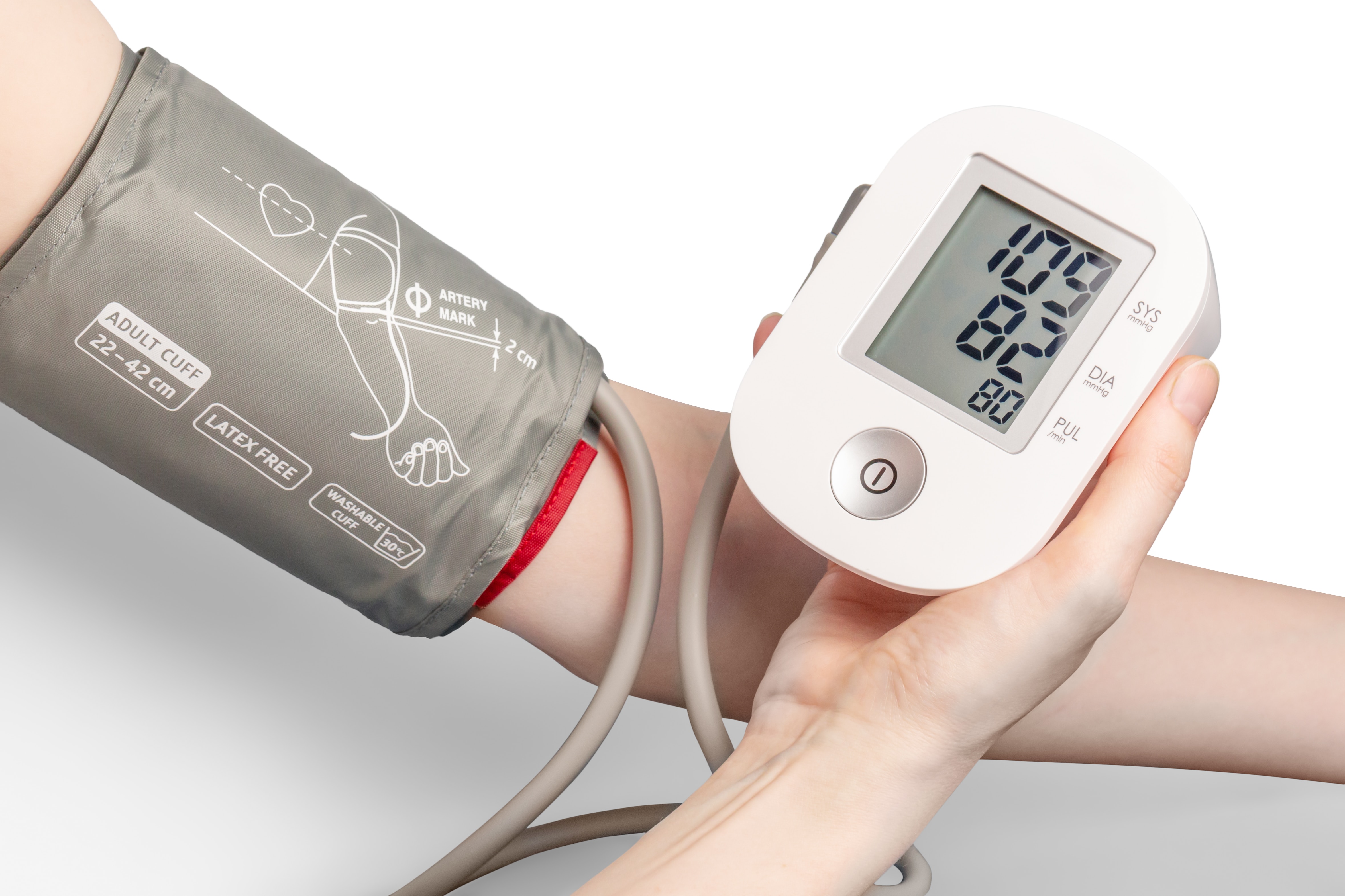
In 2018, the Centre had first brought four medical devices, i.e. nebuliser, blood pressure monitoring device, digital thermometer and glucometer, within the ambit of “drug”. In 2020, all medical devices were notified as “drugs”.
The court observed that the implementation of the policy was “calibrated” and gave ample time to the manufacturers, importers, sellers and distributors, to transition to a mandatory licensing regime.
“MHFW's reasons are manifold, which include the desire to align itself with the international regulatory regime and to further the interest of the patients. Mere errors, if any, in the policy, which is otherwise robust and devised bearing in mind patient safety, cannot be upturned by the court while exercising the power of judicial review under Article 226 of the Constitution, unless it is a clear case of demonstrable violation of fundamental rights,” the court said.
Essential Business Intelligence, Sharp Market Insights, Practical Personal Finance Advice, Daily Fuel, Gold and Silver Prices and Latest Stories — On NDTV Profit.