- Apple raised prices on Macs, iPads, and home devices due to chip shortages
- MacBook Neo price increased from $599 to $699 globally on Apple’s online store
- HomePod and Apple TV prices also saw significant hikes amid memory cost surge
Apple Inc. took the extreme measure of raising prices of Macs, iPads and home devices on Thursday, seeking to offset cost hikes caused by an unprecedented shortage of memory chips and storage.
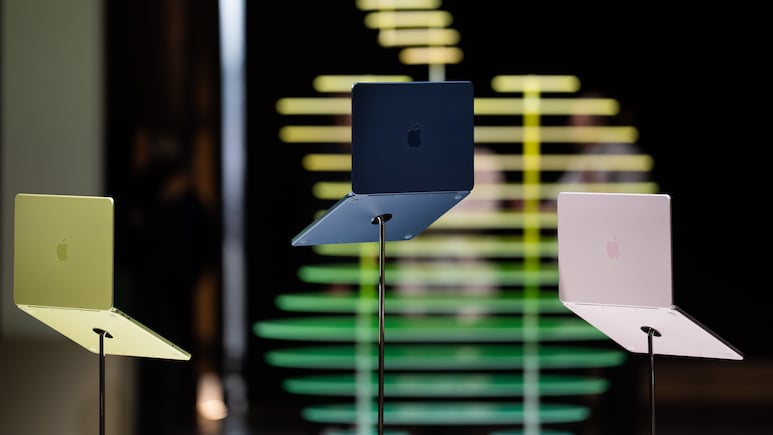
The company is increasing prices of the MacBook Neo, MacBook Pro, MacBook Air, iPad Air and iPad Pro, according to changes posted to its online retail store. The starting price of the MacBook Neo, its latest laptop, is rising to $699 from $599, while the MacBook Air is increasing to $1,299 from $1,099.
ALSO READ: iPhones To Get Costlier? Apple Mulls Price Hikes Amid Memory Chip Shortage, Says CEO Tim Cook
Also Read | Layoffs Are Rising In Tech, But These Skills Are Helping People Unlock Better Pay
The entry-level 14-inch MacBook Pro is moving to $1,999 from $1,699, while the 11-inch iPad Pro is increasing to $1,199 from $999. The iPad Air, a mid-tier tablet, is now priced at $749, up from $599. The price hikes are global.
The price of the standard HomePod speaker is now $349, up from $299, while the HomePod mini increased from $99 to $129. The Apple TV set-top box increased from $129 to $199. The company did not raise iPhone prices on Thursday.
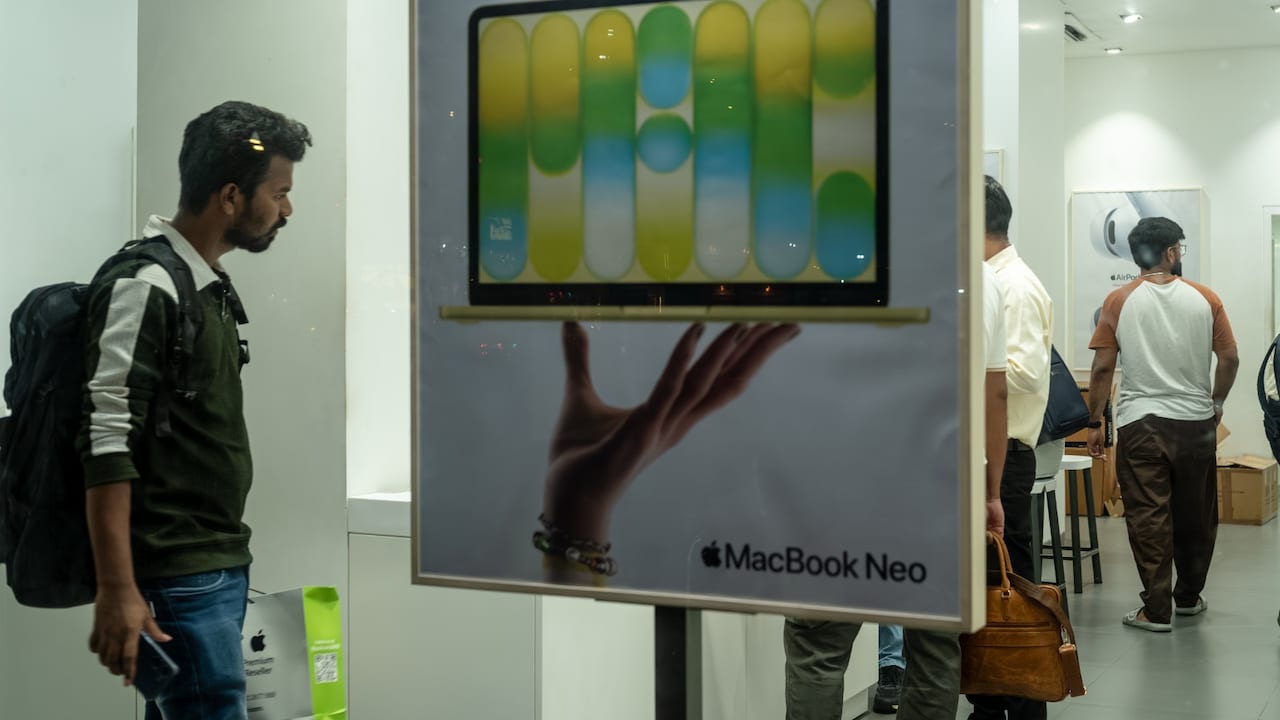
An advertisement for Apple Inc.'s MacBook Neo displayed inside a Unicorn store, an Apple reseller, in Mumbai, India.
Photo Credit: Bloomberg
An Apple spokesperson said that “the rapid expansion of AI data centers has created an extraordinary surge in demand for memory and storage” and that the company has “never seen a component price increase this much, this quickly.”
Apple added that it has “shielded our customers from these increases so far, but we have now reached a point where we need to begin raising prices on a number of products including today's increases for iPad and Mac.” “We know this is not welcome news, and we are working tirelessly to find solutions,” it said.
In April, Apple executives said during the company's second quarter results call with Wall Street that memory shortages would worsen over the course of the year.
Tim Cook, Apple's chief executive officer, said at the time that the shortages were also impacting supply, with many Macs seeing extended constraints and shipment delays. “We're not at the point where we're saying this is going to end anytime soon,” Cook said then, adding that the constraints will likely last “several months.”
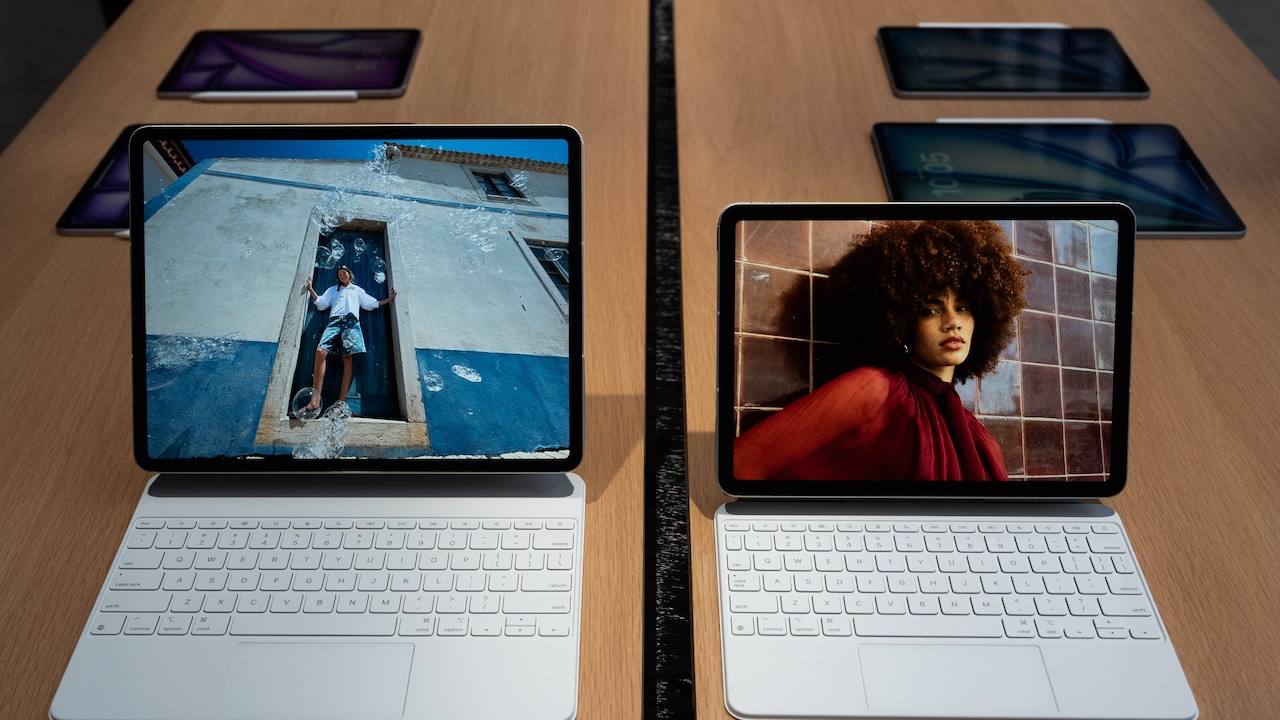
Photo Credit: Bloomberg
In March, Apple's latest MacBook Air and MacBook Pro included price increases that were offset by the inclusion of more memory and other upgraded specifications. In May, the entry-level, $599 configuration of the Mac mini was eliminated.
ALSO READ: Apple Preps For Mega Releases In 2027; Six New iPhones, 'Apple Glasses' And More On Cards
John Ternus, who most recently was Apple's head of hardware engineering, will inherit the memory crisis on Sept. 1 when he steps into the CEO role, succeeding Cook. The shortage has also had an impact on Apple's ability to roll out new products, with the problem holding back key releases like an updated Mac Studio.
In April, Cook said that the iPhone has been less affected by the memory issue than the Mac and has been instead facing shortages related to its main device processors. The company is releasing new smartphones in September, including a major new foldable model with a price that is likely to exceed $2,000.
(This story has not been edited by NDTV staff and is auto-generated from a syndicated feed.)
Essential Business Intelligence, Sharp Market Insights, Practical Personal Finance Advice, Daily Fuel, Gold and Silver Prices and Latest Stories — On NDTV Profit.