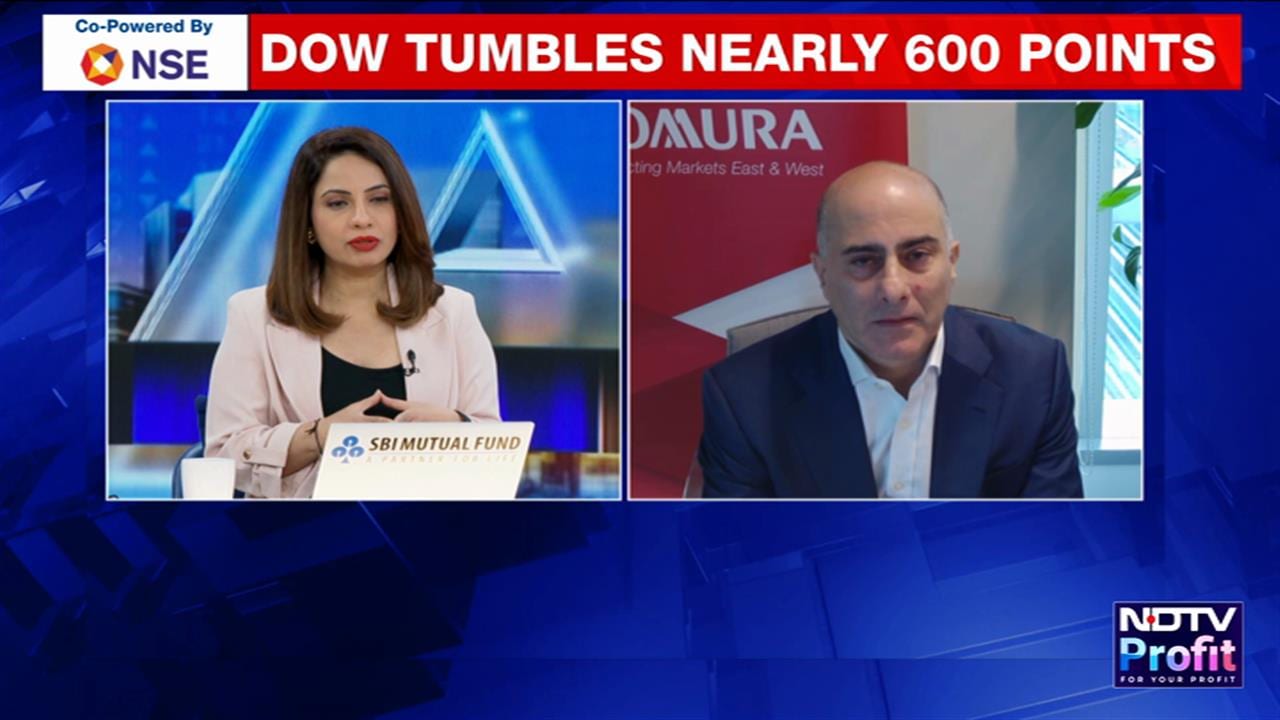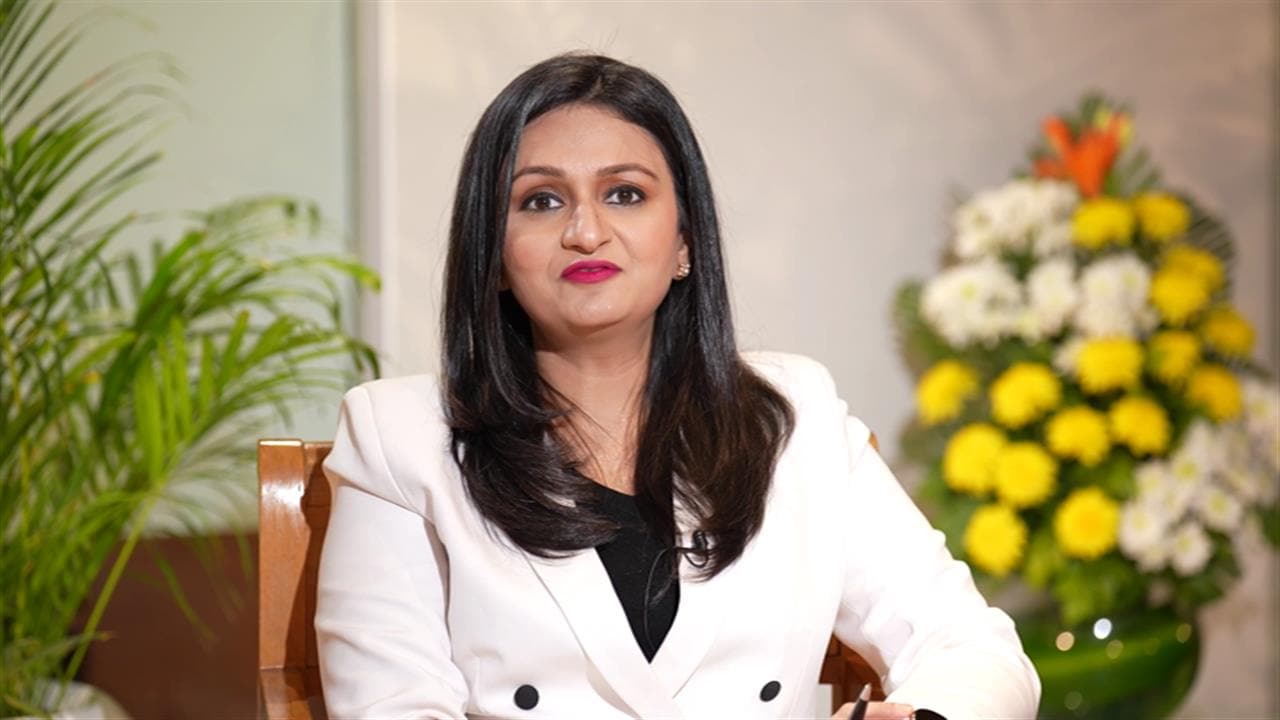
Indian equities, along with their global peers, recovered most of their losses from the worst plunge in over a decade as central banks across the world pumped in trillions to revive economies after the coronavirus outbreak. Yet, it worries Andrew Holland that an event can "prick or burst that bubble” in a liquidity-driven market.
Which is why the founder of Avendus Capital Alternate Strategies is using the “barbell” strategy of hedging his portfolio by investing in both defensive and aggressive sectors and adjusting their weight as India moves from the current pandemic phase to the recovery phase.
The nation's largest hedge fund is overweight on pharmaceutical stocks, that Holland said often act as the hedge for Avendus' portfolio, and is heavily invested in other “defensive” sectors such as telecom and fast-moving consumer goods. These segments will benefit when Indians are largely stuck inside their homes, he said.
The fund is also invested in aggressive sectors, which took a beating in March, such as financials, automobile, energy and industrials. “Those are the industries that will be the beneficiaries as and when the economic recovery comes around," he told BloombergQuint in an interview. "So having that 'barbell approach' means you're not missing out on the sectors which will do well once the economy shows real signs of recovery.”
Going back to the 2008-09 financial crisis, these [defensive] sectors performed well during the downturn, while financials and industrials performed well during the recovery, Holland said.
The Border Threat
Holland said the market is largely ignoring the growing political tensions between India and China after the deadliest clash between the two in over four decades. The issue, according to him, shouldn't be ignored.
“We do $50 billion of trade with china. It's not a small amount, so of course it will have an impact,” he said, considering India currently is not in a position to manufacture goods it is dependent on China for. But this presents an opportunity for India, Holland said.
“While we have the lowest tax rate in Asia to attract corporate companies, I still think we have to go that extra mile and role out that red carpet to attract companies in terms of land and labour,” he said.
It's really one of those moments where you think India can take the lead as one of the attractive FDI destinations.Andrew Holland, CEO, Avendus Cap Alt Strategies
Watch the full conversation here:
Essential Business Intelligence, Continuous LIVE TV, Sharp Market Insights, Practical Personal Finance Advice and Latest Stories — On NDTV Profit.