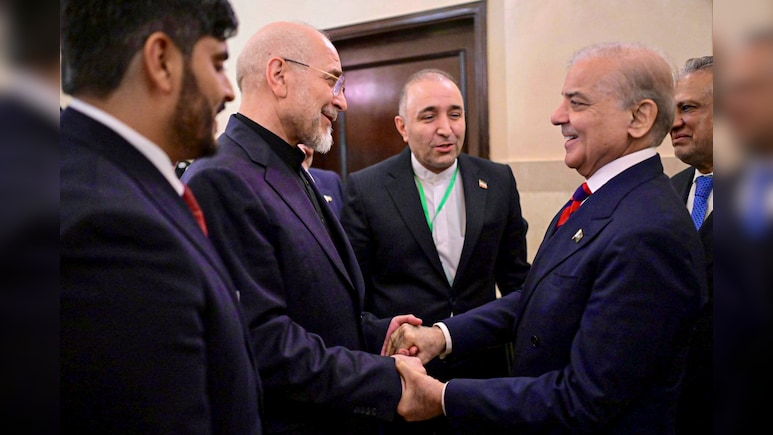
The United States "failed" to win Iran's trust during historic negotiations in Pakistan aimed at resolving the West Asia conflict, the top Iranian negotiator said on Sunday.
Mohammad Bagher Ghalibaf, the Iranian Parliament Speaker who led his country's delegation in marathon peace talks with the US in Pakistan, made the remarks after the two sides failed to reach an agreement.
In a series of posts on X, Ghalibaf said that the Iranian delegation raised "forward-looking initiatives, but the opposite side ultimately failed to win the trust of the Iranian delegation in this round of negotiations.”
Also Read | Layoffs Are Rising In Tech, But These Skills Are Helping People Unlock Better Pay
"Before the negotiations, I emphasised that we have the necessary good faith and will, but due to the experiences of the two previous wars, we have no trust in the opposing side," Ghalibaf said.
"The US has realised our logic and principles, and now it has time to decide whether it can earn our trust or not?” he added.
ALSO READ: Israel Prepares For Potential Resumption Of War With Iran Amid Collapsed Ceasefire Talks
He asserted that Iran pursues powerful diplomacy, alongside military force, for upholding the rights of the Iranian people.
“We believe that diplomacy of power is another approach alongside military struggle for the realisation of the rights of the Iranian people, and we will not cease our efforts to consolidate the achievements of forty days of national defence by the Iranians for a moment,” he said.
He also thanked Pakistan for facilitating the peace talks. He also lauded the “heroic people of Iran” for supporting the negotiators and appreciated his team for their tireless efforts during marathon talks in Pakistan.
US Vice President JD Vance, who led the American delegation, said the talks failed to reach a peace deal, citing Tehran not forgoing its nuclear programme as one of the key sticking points.
"We leave here with a very simple proposal, a method of understanding that this is our final and best offer. We'll see if the Iranians accept it," Vance said at a press conference after the talks before leaving for the US.
The Pakistan-brokered negotiations began Saturday, four days after the two sides announced a six-day ceasefire.
It was the first direct, high-level engagement between Iran and the US since the 1979 Islamic Revolution.
ALSO READ: How The US-Iran Talks In Islamabad Ended Without A Deal
The conflict began after the US and Israel launched attacks on Iran on February 28, paralysing global energy markets and disrupting trade.
Iran had laid out a 10-point plan for the talks that included demands for the withdrawal of US forces from West Asia, the lifting of sanctions against Iran, and allowing it to control the Strait of Hormuz.
The failure to reach an agreement following face-to-face negotiations between the two sides raised doubts about the effectiveness of their fragile two-week ceasefire, as well as the prospect of reopening the Strait of Hormuz to stabilise the global energy market.
(This story has not been edited by NDTV staff and is auto-generated from a syndicated feed.)
Essential Business Intelligence, Sharp Market Insights, Practical Personal Finance Advice, Daily Fuel, Gold and Silver Prices and Latest Stories — On NDTV Profit.