Sanctions waivers allowing the sale of Russian and Iranian oil are approaching their expiry, raising fresh questions over Washington's next steps as global crude markets remain under pressure.
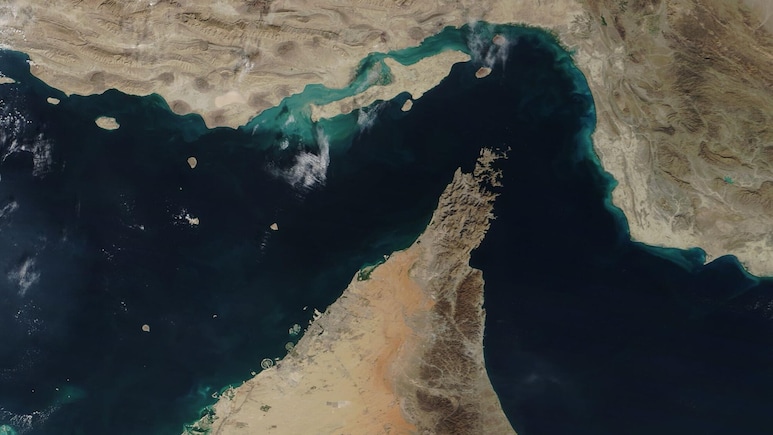
A US Treasury general licence permitting Russia to sell oil loaded onto tankers as of March 12 is set to expire on April 11, followed by a similar waiver for Iran on April 19. These measures were introduced to ease supply disruptions after Iranian restrictions in the Strait of Hormuz curtailed Middle Eastern exports, helping channel additional barrels to energy-hungry markets such as India.
Also Read | Putin Announces 32-Hour Easter Ceasefire, Ukraine Signals Reciprocal Move
Also Read | Layoffs Are Rising In Tech, But These Skills Are Helping People Unlock Better Pay
However, the impact has been limited. Oil prices continued to rise for weeks after the Russia waiver, with geopolitical uncertainty, despite the April 7 ceasefire announcement, keeping markets on edge. Analysts say supply recovery in the Middle East could take months, prolonging price pressures.
At the same time, the waivers have boosted revenues for Moscow and Tehran. Russia is estimated to be earning an additional $150 million per day, while Iran could be generating about $139 million daily, according to Bloomberg estimates. This, experts argue, weakens US leverage over both countries.
A key recommendation is to reinstate the price cap on Russian oil. Introduced by the G7 in 2022, the cap aimed to curb Russian revenues while ensuring continued supply to global markets. Despite tougher sanctions imposed in 2025 on major firms such as Lukoil and Rosneft, the March 2026 waiver effectively diluted the cap's impact.
Maintaining a price ceiling could help moderate crude prices while forcing Russia to continue selling at discounted rates, especially to major buyers like India and China.
For Iran, policymakers are being urged to revive the escrow account mechanism. Under this system, payments for Iranian oil would be held in restricted accounts within importing countries and used only for humanitarian goods such as food and medicine.
“Such a restrictive framework would allow continued supply while limiting Tehran's access to hard currency,” analysts note, adding that it would also preserve US negotiating leverage amid potential talks.
With Asian demand steady and enforcement gaps widening, experts say Washington must coordinate more closely with G7 allies and Indo-Pacific buyers. The current approach, they warn, risks being “too permissive” at a time when both market stability and geopolitical leverage are at stake.
Essential Business Intelligence, Sharp Market Insights, Practical Personal Finance Advice, Daily Fuel, Gold and Silver Prices and Latest Stories — On NDTV Profit.