- US President Trump extended a shipping waiver for oil, fuel, and fertilizer by 90 days
- The waiver allows foreign vessels to transport commodities between US ports until mid-August
- This move aims to stabilize the US and global economies amid energy market volatility
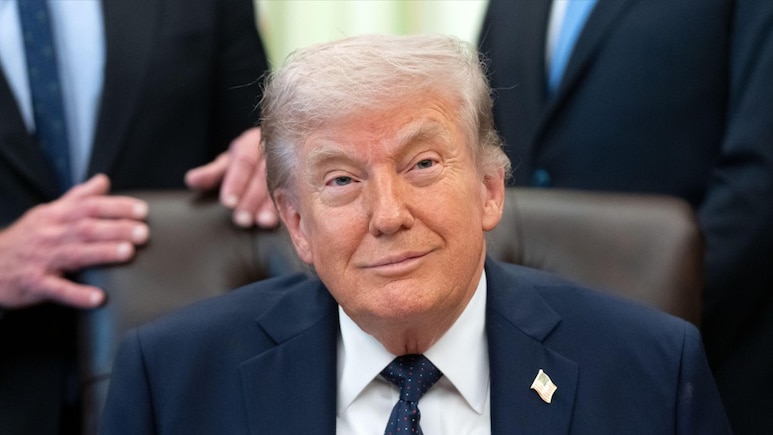
US President Donald Trump has granted a 90-day extension to a shipping waiver that makes it easier to move oil, fuel and fertiliser between US ports, the White House said on Friday. The extension adds about three months to the existing waiver, which had been set to expire on May 17.
This allows foreign-flagged vessels to transport those commodities through mid-August. White House spokesperson Taylor Rogers confirmed that Trump issued the extension. "This waiver extension provides both certainty and stability for the US and global economies,” Rogers said, as reported by Reuters.
The move comes at a time when the energy market continues to see heightened volatility due to the closure of Strait of Hormuz — a crucial chokepoint from where 20% of world's oil and gas supplies were routed before the start of the US-Iran war.
Also Read | Layoffs Are Rising In Tech, But These Skills Are Helping People Unlock Better Pay
A White House official said the administration moved to extend the waiver about three weeks before its expiration to give the maritime industry time to ensure enough vessels are available to keep goods moving where they are needed.
The move comes as the White House seeks to limit politically sensitive fuel price increases ahead of November's midterm elections, when affordability is expected to be a key issue for voters.
ALSO READ: Majority Of Americans Blame Donald Trump For Rising Gas Prices Ahead Of November Midterms: Poll
The waiver relates to the Jones Act, a 1920 law that generally requires goods shipped between US ports to be carried on vessels that are US-built, US-owned and US-crewed.
Shipbuilders, maritime unions and some lawmakers say the law is vital for national security and for maintaining a domestic shipping industry. Critics, including energy producers, refiners and agricultural groups, argue the requirements raise shipping costs and limit capacity, especially during disruptions, driving up prices for fuel and other goods, according to a report in Reuters.
The action is one of several steps Trump has taken to address elevated fuel prices and supply concerns after the US and Israel-led war against Iran triggered a global energy shock. Trump has said crude oil and gasoline prices are likely to fall once the conflict eases, but analysts have warned costs could remain high due to ongoing supply disruptions, higher shipping expenses and lingering geopolitical risks.
ALSO READ: Is Major Supply-Chain Disruption Looming As US-Iran War Drags On? Expert Flags Risks
Essential Business Intelligence, Sharp Market Insights, Practical Personal Finance Advice, Daily Fuel, Gold and Silver Prices and Latest Stories — On NDTV Profit.