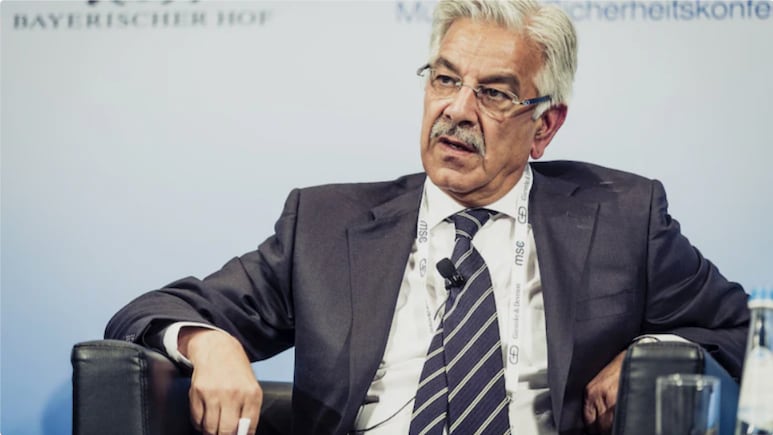
Pakistan's Defence Minister Khawaja Asif warned that Islamabad would go to war with India if it perceived a serious threat to its water security, as the country battles an escalating internal water shortage more than a year after New Delhi suspended the Indus Waters Treaty.
In an interview with ARY News, Asif said, "The moment we feel that our national security -- and water is part of our national security -- is being threatened, we will go to war against India. Definitely."
We will go to war with India ???????? if they do not change their behavior regarding water.
Because water is life, and they are taking it away from us.
• Pak Defence Minister: Khawaja Asif pic.twitter.com/GAuwUqtdVOAlso Read | Layoffs Are Rising In Tech, But These Skills Are Helping People Unlock Better Pay
— برهان الدین | Burhan uddin (@burhan_uddin_0) June 20, 2026
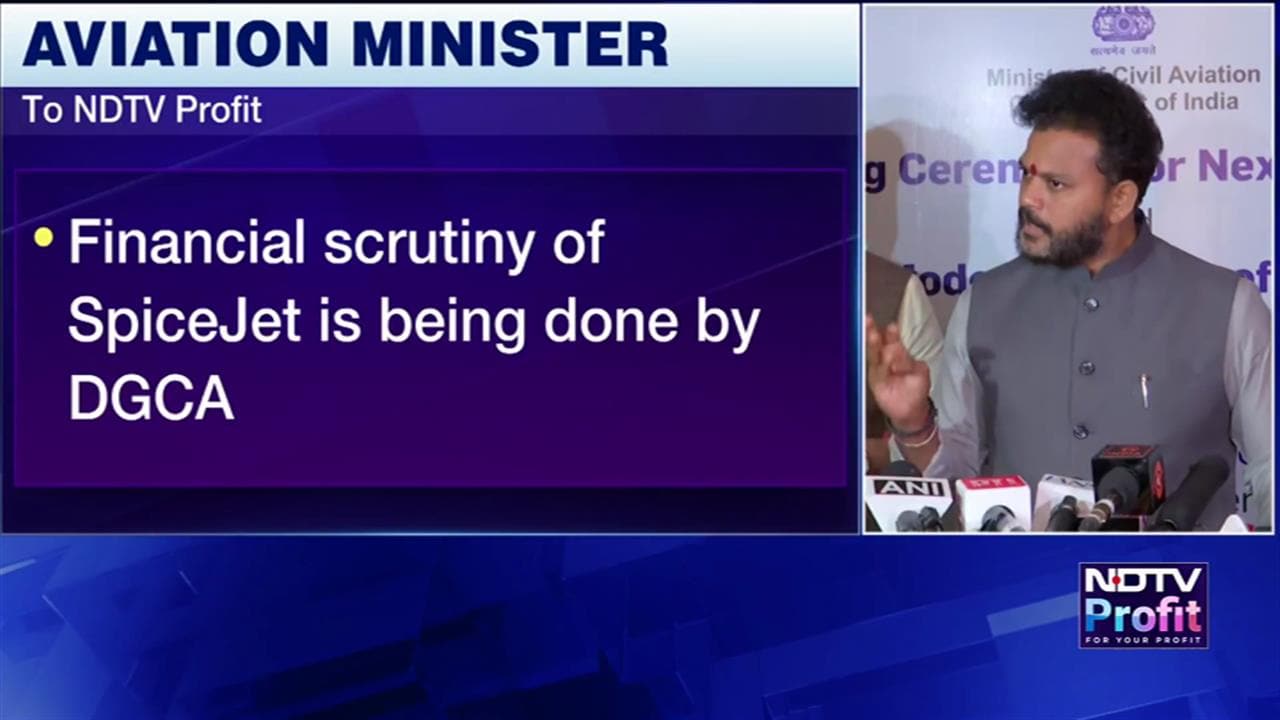
He said military action would be on the table if concrete evidence showed India moving at an "alarming speed" to cut off water supplies, a remark that came after Union Jal Shakti Minister CR Patil suggested Indus water flows to Pakistan could be halted entirely by 2028.
"I believe the work is proceeding in a time-bound manner, and the flow of Indus water to Pakistan will stop, as I can say. It is certain—not a single drop of water will go in the coming years." Patil said.
#WATCH | Delhi: On the decision to terminate the Indus Waters Treaty, Union Minister C.R. Patil says, “It still stands; rather, the treaty has been kept in abeyance. And since Prime Minister Modi took this decision, every effort is being made to ensure not a single drop flows… pic.twitter.com/vnEGNpvD0K
— ANI (@ANI) June 9, 2026
Tensions Over Indus Waters Treaty
India suspended the 1960 treaty, which gives Pakistan roughly 80% of the Indus basin's waters, supporting the bulk of its farmland, after the Pahalgam terror attack in Jammu and Kashmir killed 26 people last year.
New Delhi has said the suspension will hold until Pakistan ends cross-border terrorism.
Asif accused India of using water as a weapon, alleging that it had altered flows on the Chenab River and withheld hydrological data that Pakistan previously accessed through roughly 115 site inspections under the treaty's terms. He acknowledged, however, that he lacked updated information on developments over the past year.
ALSO READ: Caught On Camera: Qatar 'Snubs' JD Vance At US-Iran Talks In Switzerland, Hugs Shehbaz Sharif
Pakistan's Internal Water Crisis
Asif's remarks come as nearly a third of Pakistan's population faces acute water shortages, with Sindh and Balochistan hit hardest.
Sindh's irrigation department has recorded a 64.1% shortfall in the North West Canal, alongside deficits of 38% in the Rice Canal and 82% in the Dadu Canal.
Sindh officials have accused upstream Punjab of drawing 53,394 cusecs of water, more than 21% above its sanctioned share of 44,000 cusecs, deepening a domestic dispute between provinces even as Islamabad directs its sharpest rhetoric at New Delhi.
Local leaders in the affected regions have cautioned that the shortages could trigger severe economic fallout for farming communities if the trend continues unaddressed.
ALSO READ: US-Iran Talks: Pakistan PM Sharif, Army Chief Munir Reach Switzerland
Essential Business Intelligence, Sharp Market Insights, Practical Personal Finance Advice, Daily Fuel, Gold and Silver Prices and Latest Stories — On NDTV Profit.