- OPEC+ agreed to keep oil production steady in March, ending a three-month freeze
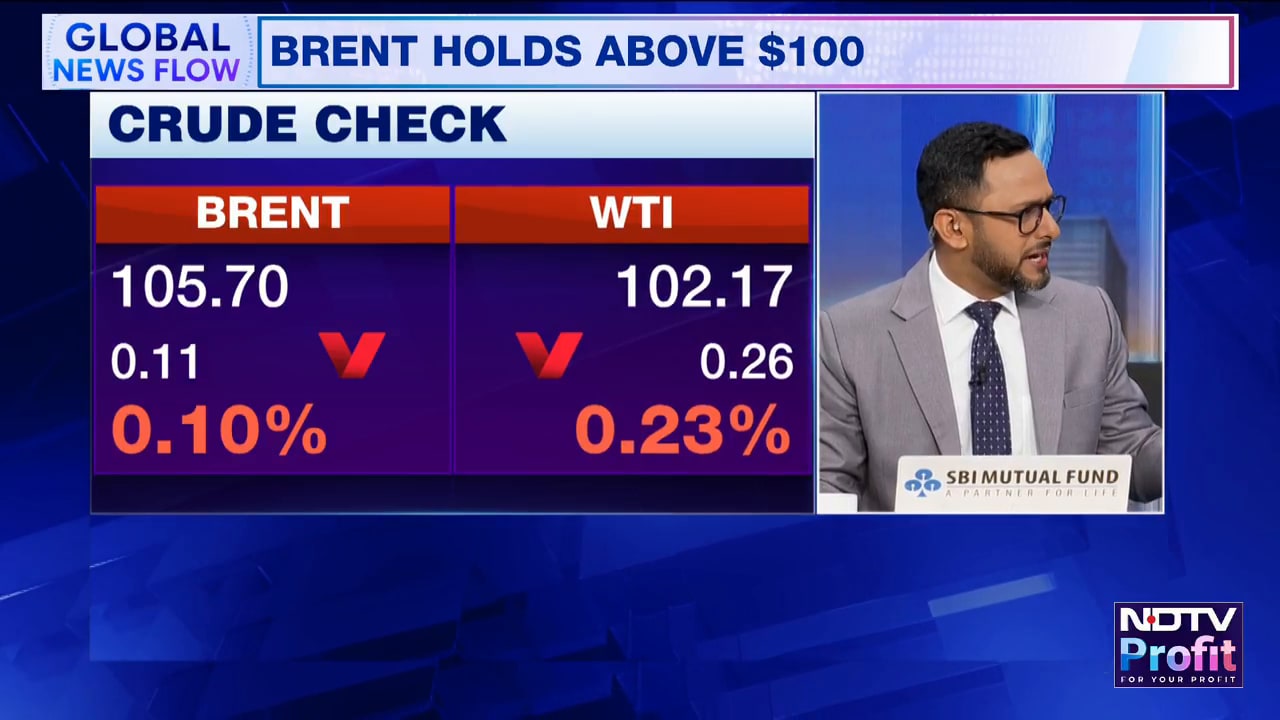
- The decision was made despite crude prices hitting a four-month high above $70
- OPEC+ postponed decisions on production policy beyond the first quarter to March 1
OPEC+ ratified plans to keep production steady in March — the last part of a three-month supply freeze, even after prices hit a four-month high on the prospect of a US strike against Iran.
Eight key members led by Saudi Arabia and Russia reaffirmed the pause — first agreed in November — during a video conference on Sunday, the group said in a statement. Delegates said they left the question of what to do after the first-quarter hiatus expires for their next meeting, scheduled for March 1. They asked not to be identified as the talks are private.
“The real story is what OPEC+ chose not to say about the second quarter,” said Jorge Leon, an analyst at consultant Rystad Energy AS who used to work at OPEC's secretariat. “With rising uncertainty around Iran and US tensions, the group is keeping all options firmly on the table.”
Also Read | Layoffs Are Rising In Tech, But These Skills Are Helping People Unlock Better Pay
The alliance chose to stay the course even after crude futures surged past $70 a barrel in London last week, when President Donald Trump warned OPEC member Iran to agree a new nuclear deal or face military strikes.
The Organization of the Petroleum Exporting Countries and its partners often respond cautiously to escalating geopolitical risks, typically waiting for changes in actual supplies before acting.
Key alliance members in theory still have about 1.2 million barrels a day of production shuttered since 2023 to restore. Group leader Saudi Arabia and others like the United Arab Emirates have shown signs of eagerness to continue reviving output.
Whether further increases are practical is another question.
The International Energy Agency projects a record glut in global oil markets as demand growth slows while continues to swell in OPEC's rivals, such as the US, Brazil, Canada and Guyana. Some forecasters such as JPMorgan Chase & Co. and Morgan Stanley have contended that OPEC+ will need to cut production to prevent crude prices from falling.
Last year, eight OPEC+ nations rapidly revived production in an apparent bid to reclaim their share of world markets, but then agreed in November to pause further increases during the first quarter, pointing to a seasonal slowdown in fuel consumption.
Crude prices have proved surprisingly robust so far this year, bolstered by the turmoil in Iran and disruptions in fellow alliance member Kazakhstan. There's also considerable uncertainty over the oil sector in OPEC nation Venezuela, which President Trump has vowed to rehabilitate after ousting former leader Nicolas Maduro.
Boosting output has been a double-edged sword for the Saudis. Doing so helped the kingdom's economy expand in 2025 at the fastest pace in three years. Still, last year's 18% slump in oil prices forced Riyadh to cut spending on flagship projects and seek alternative sources to plug funding gaps.
ALSO READ: Stock Market Today: All You Need To Know Going Into Trade On Feb 2
Essential Business Intelligence, Sharp Market Insights, Practical Personal Finance Advice, Daily Fuel, Gold and Silver Prices and Latest Stories — On NDTV Profit.