The Nepal government is planning to drain four high-altitude glacial lakes to reduce the risk of floods downstream, as it moves to strengthen safeguards against potential glacial lake outburst floods, Reuters reported.
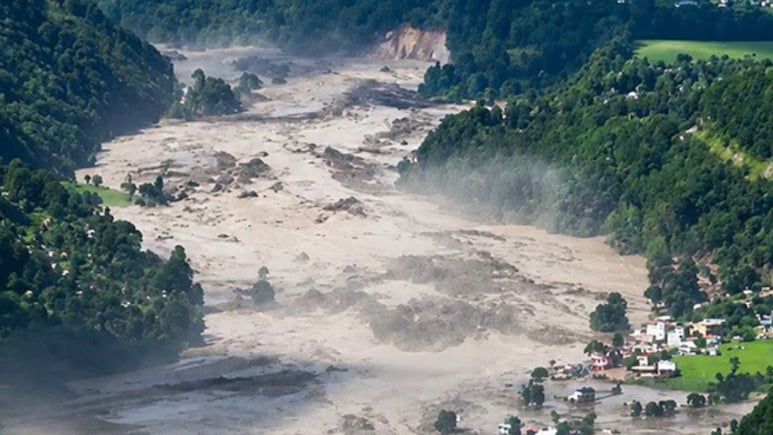
The move follows a deadly disaster in Nepal's border region with China, where a glacier collapse unleashed landslides and a flash flood, leaving more than 1,400 people dead. Rescuers are still searching for more than 5,000 people reported missing.
Nepal has experience in managing the risks posed by glacial lakes, having lowered the water level of Tsho Rolpa by around three metres in 2000. Similar risk-reduction measures were implemented at Imja Lake, near Mount Everest, roughly a decade later.
Also Read | Layoffs Are Rising In Tech, But These Skills Are Helping People Unlock Better Pay
The proposed $50-million project will focus on Thulagi, Lower Barun, Lumding Tsho and Hongu II, four glacial lakes located in central and eastern Nepal. Design work and detailed studies are scheduled to begin during the fiscal year ending in mid-July 2027.
The lakes are situated between 4,050 metres and 5,483 metres above sea level and rank among Nepal's most potentially dangerous, according to a 2020 assessment by the United Nations Development Programme and the International Centre for Integrated Mountain Development.
“Our aim is to lower the risk of the lakes breaching their natural dams and reduce the risk of downstream floods,” Subash Tuladhar, an expert at Nepal's Centre for Hydrology and Water Resources Research, told Reuters.
The project envisages controlled drainage through canals and gated structures that would release water into nearby rivers. However, officials said the work would involve considerable logistical and safety challenges because of the extreme altitude and the risk of sudden flooding.
Sanjeeb Baral, executive director of the research centre, said the actual drainage work would begin after detailed studies and could take as long as six years.
The project will also include the installation of monitoring sensors, flood forecasting and early-warning systems, as well as measures to improve the resilience of downstream communities. The latest disaster has added urgency to Nepal's efforts to manage glacial lake risks.
Prime Minister Balendra Shah told the United Nations last month that retreating glaciers, unstable mountain slopes and increasingly unpredictable rivers were imposing a heavy cost on the country despite Nepal's relatively low greenhouse-gas emissions.
ALSO READ | Nepal PM Balen Shah Thanks India, China For Aid After Devastating Floods
Nepal has recorded around 26 glacial lake outburst flood events over the past four decades. Extreme climate-related events kill more than 300 people and cause millions of dollars in damage in the country each year, according to officials.
Samjwal Ratna Bajracharya, a retired ICIMOD expert, said lowering the identified lakes by around three metres could substantially reduce the risk of a catastrophic outburst.
He said the lakes are expanding rapidly and could breach because of earthquakes, avalanches, changing climatic conditions or human activity.
The factual basis of the main development is consistent with the Reuters report: Nepal plans studies for draining the four lakes, with the project potentially taking up to six years and including warning and monitoring systems.
Essential Business Intelligence, Sharp Market Insights, Practical Personal Finance Advice, Daily Fuel, Gold and Silver Prices and Latest Stories — On NDTV Profit.