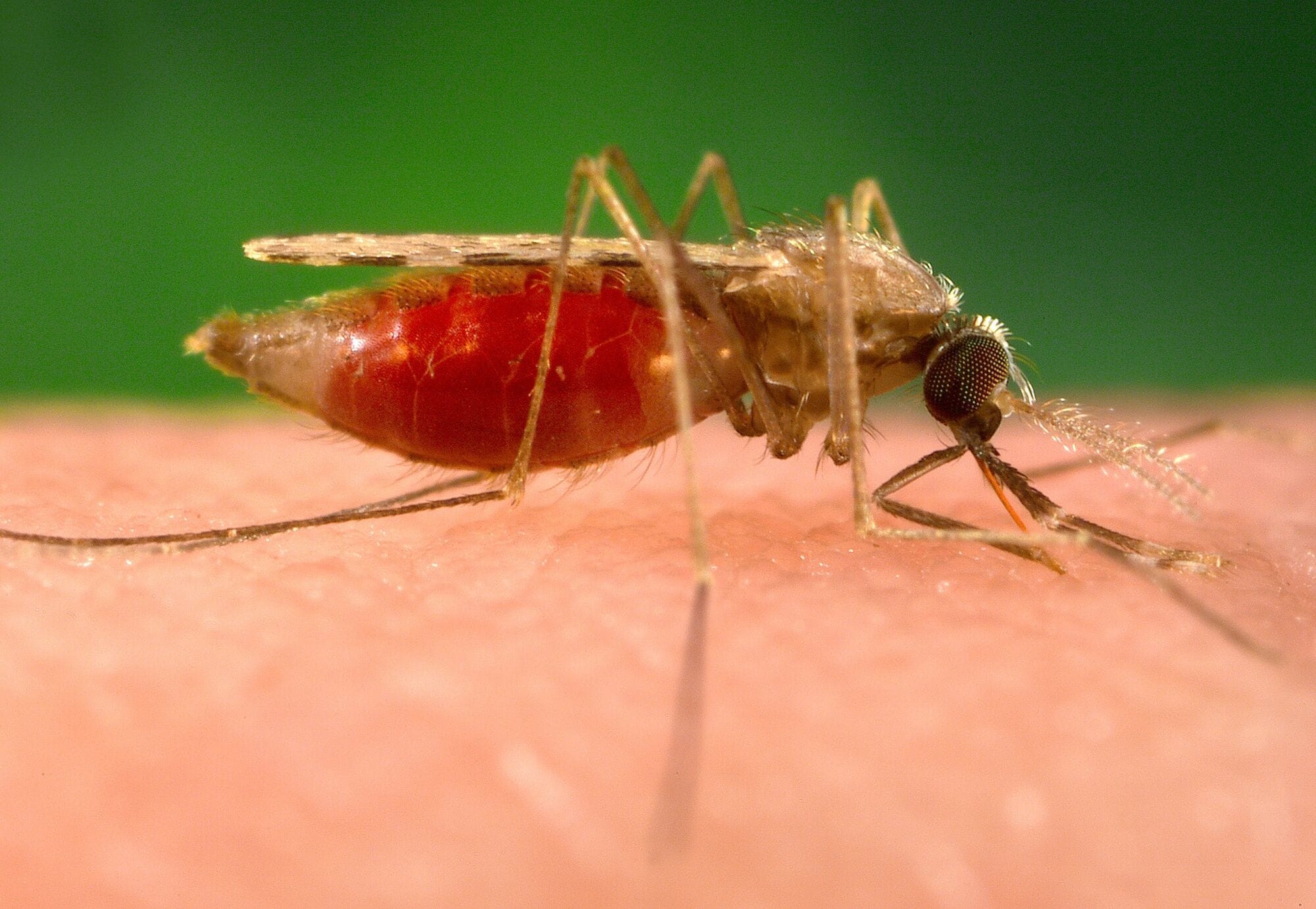
(Bloomberg) -- Malaria has spread from mosquitoes to humans inside the US for the first time in 20 years, the Centers for Disease Control and Prevention (CDC) has warned.
Four cases of mosquito-transmitted malaria have been reported in Florida within the last two months, and a single case was also found in Texas. All patients were said to be improving after receiving treatment.
The CDC said in a health advisory that , which are found throughout many regions of the country, “are capable of transmitting malaria if they feed on a malaria-infected person.” However, it stressed, the risk of catching malaria in the US is “extremely low.”
Before Covid, some 2,000 malaria cases were reported in the US each year, with almost all coming from travelers who had visited malarial countries. Infections led to between five and 10 deaths annually.
Read more: Climate change is spreading malaria to new regions, study finds
The last time malaria transmission was reported in the US was in 2003, when eight cases were detected in Palm Beach, Florida.
Here's what to look out for:
What are the symptoms of malaria?
Symptoms can include fever, chills, headache, muscle pain, fatigue, nausea, vomiting and diarrhea, according to the CDC. Symptoms typically begin between 10 days and four weeks after infection, although they can manifest up to a year later.
How is malaria spread?
The vast majority of the world's 240 million annual cases are spread by the bite of an infected female mosquito. In rare cases, the disease can also be transmitted from a mother to her unborn baby, through blood transfusions or from sharing needles.
How is it treated?
The CDC says patients suspected to have malaria should undergo blood tests and rapid diagnostic tests where available. Treatment includes taking antimalarial drugs such as chloroquine or atovaquone and proguanil, depending on where the infection was thought to have originated.
What happens if Malaria is left untreated?
If untreated, malaria can progress to become a severe disease, leading to complications including seizures, kidney failure, acute respiratory distress syndrome, coma and potentially death.
How can you protect yourself?
The best way to protect yourself from malaria is by preventing mosquito bites. The CDC recommends using insect repellent registered with the Environmental Protection Agency, wearing loose-fitting, long-sleeved shirts and pants, using mosquito screens on windows and doors and getting rid of items in which water can collect where mosquitoes could lay their eggs.
More stories like this are available on bloomberg.com
©2023 Bloomberg L.P.
Essential Business Intelligence, Sharp Market Insights, Practical Personal Finance Advice, Daily Fuel, Gold and Silver Prices and Latest Stories — On NDTV Profit.