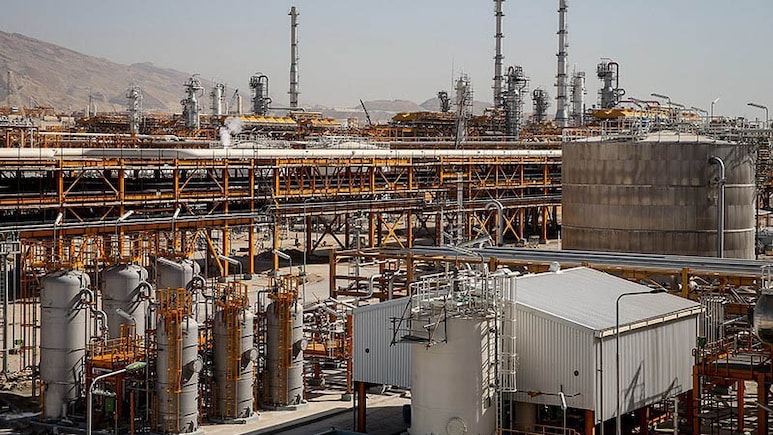
A wave of strikes on Iran's energy infrastructure has pushed the South Pars Gas Field into the global spotlight. The offshore field, jointly operated by Iran and Qatar, is the largest natural gas reservoir on Earth and a critical pillar of global energy supply.
Recent attacks on facilities linked to the field have raised fears of a broader escalation in the Middle East energy war, sending oil prices sharply higher and threatening disruptions to global gas markets.
What Is South Pars And Why Is It So Important?
As per media reports, the South Pars/North Dome gas field straddles the maritime border between Iran and Qatar in the Persian Gulf and covers roughly 9,700 square kilometres. It is widely regarded as the largest known natural gas field in the world.
Energy analysts estimate the field holds around 1,800 trillion cubic feet of gas, representing roughly 8% of the world's proven gas reserves, according to studies cited by the International Energy Agency. For both countries, the field is the backbone of their energy systems:
Iran's lifeline: South Pars accounts for about two-thirds of Iran's natural gas production, powering electricity generation, heating and its petrochemical industry.
Qatar's economic engine: The northern section, known as the North Field, underpins Qatar's status as one of the world's largest exporters of liquefied natural gas (LNG), supplying roughly 20% of global LNG demand.
Processing hubs such as Asaluyeh in Iran and Ras Laffan in Qatar serve as key nodes in the global gas supply chain.
What Happened In The Latest Attacks?
According to reports from Reuters and Al Jazeera, Israeli strikes targeted several Iranian energy sites, including facilities linked to the South Pars field. The attack reportedly triggered a fire at the Phase 14 gas processing facility, forcing the shutdown of an offshore platform producing around 12 million cubic metres of gas per day.
Iran's Ministry of Petroleum said the strikes also hit a fuel depot and refinery in Tehran, while a missile strike caused a blaze at the Fajr-e Jam gas refinery in Bushehr province — another major processing hub linked to South Pars.
Global Energy Markets React
The attacks quickly reverberated through energy markets.
- Oil prices surged: Brent crude jumped above $108 per barrel, reflecting fears of wider disruptions.
- Gas markets tightened: Natural gas prices climbed as traders priced in potential supply shocks.
Analysts warn that sustained disruptions could cause far larger spikes in energy prices if production losses spread across the Gulf.
LNG Supply Shock
The situation worsened after QatarEnergy temporarily halted LNG production amid regional security concerns. Since Qatar accounts for roughly one-fifth of global LNG exports, the move could have significant consequences for energy-dependent regions such as Europe and Asia, which rely heavily on Gulf gas supplies.
Energy officials warned that restoring normal shipping schedules could take weeks or even months, depending on how the conflict evolves.
Risk Of A Wider Energy War
The attacks have raised fears that energy infrastructure across the Gulf could become a new battlefield. Iranian state media reported that Iran's Islamic Revolutionary Guard Corps has reportedly warned that key regional facilities could become targets if hostilities escalate.
Among the potential targets mentioned in state media warnings are:
- Saudi Arabia's Samref Refinery and Al-Jubail petrochemical complex
- The Al-Hosn gas field in the United Arab Emirates
- Qatar's Ras Laffan industrial complex
Strait Of Hormuz: The Biggest Global Risk
Another major concern is the Strait of Hormuz, through which about 20% of the world's oil and a significant portion of LNG supplies pass each day. The U.S. Energy Information Administration has described the strait as the “world's most important oil transit chokepoint.” Any disruption to traffic there could trigger a major global energy crisis.
A Shift Toward “Economic Warfare”
Energy analysts say the strikes mark a dangerous shift in the conflict — targeting economic infrastructure rather than just military assets. Alan Eyre, a fellow at the Middle East Institute, told Al Jazeera that Israel's broader strategy may be aimed at weakening Iran's regime by targeting strategic assets.
“Ultimately, Israel's best case scenario is to encourage, if not regime change, then the toppling of this regime,” Eyre said.
Why The World Is Watching South Pars
With its enormous reserves and central role in global energy supply, the South Pars/North Dome field sits at the heart of the global gas system.
Any prolonged disruption could:
- Push oil and gas prices sharply higher
- Trigger energy shortages in Europe and Asia
- Disrupt global shipping routes
- Slow global economic growth
As tensions continue to rise, the world's largest gas field has become one of the most critical flashpoints in the evolving Middle East energy conflict. Majed al-Ansari, a spokesperson for Qatar's Ministry of Foreign Affairs, condemned Israel and US targeting of Iranian's energy facilities and warned against escalation that could further harm production in the region.
"Targeting energy infrastructure constitutes a threat to global energy security, as well as to the peoples of the region and its environment," he wrote on X.
"We reiterate, as we have repeatedly emphasized, the necessity of avoiding the targeting of vital facilities. We call on all parties to exercise restraint, adhere to international law, & work toward de-escalation in a manner that preserves the security and stability of the region," he added.
Essential Business Intelligence, Continuous LIVE TV, Sharp Market Insights, Practical Personal Finance Advice and Latest Stories — On NDTV Profit.