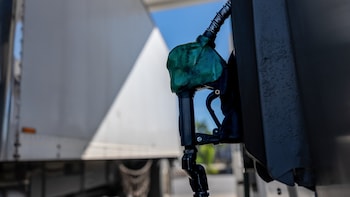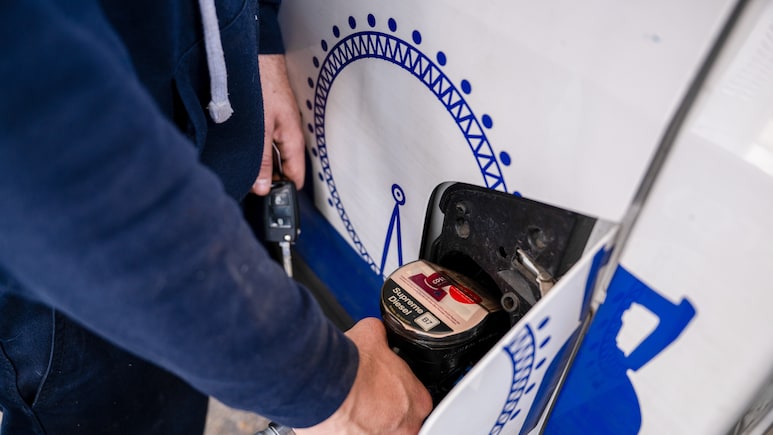
UK inflation could near 5% if President Donald Trump stopped US exports of diesel, economists warned after motorists saw prices hit £2 ($2.7) per liter for the first time ever. Forecasters said a prolonged ban would lead to diesel prices topping £3 per liter and push up UK inflation by as much as one percentage point, another major supply shock that would only strengthen the case for Bank of England interest-rate hikes.
The warnings came as news emerged that Group of Seven countries will release as much as 100 million barrels of diesel and oil over the next four months to ease the current strains. European diesel prices and Brent crude futures slumped.
The Trump administration has floated the possibility of an export ban unless European nations freed up stockpiles to quell prices, a move that would hit the UK particularly hard as one of the biggest buyers.
Also Read | Layoffs Are Rising In Tech, But These Skills Are Helping People Unlock Better Pay
British motoring organization the RAC said on Friday that average diesel prices crossed £2 per liter for the first time, meaning filling up a 55-liter tank would cost £32 more than before the Middle East conflict began.
Disruption to diesel supply into Britain is particularly menacing given it is heavily reliant on imports and demand from trains and trucks is unlikely fall enough in response to supply. Transport minister Keir Mather said on Friday that Britain has a “resilient” and “diverse range of supply when it comes to diesel.”
Thomas Pugh, chief economist at RSM UK, said a US diesel ban could add half a percentage point to UK inflation in a scenario where there is a prolonged ban. That includes indirect effects from a price surge filtering down supply chains to consumers rapidly.
“Losing 20% of diesel overnight would be a very tough adjustment,” Pugh said. “The much bigger hit comes from your indirect effects, because diesel is used in all industry and trucking. The idea that firms wouldn't pass that through is very wishful thinking.”
It threatens to pile pressure on consumers and businesses already facing a difficult winter, with gas and electricity bills forecast to surge in January and push inflation above 4% early next year.
BOE officials are edging toward raising interest rates to stop the energy shock spreading widely though the economy. They also fear the supersized El Niño could cause a fresh wave of food inflation if it disrupts global weather patterns and harvests of key crops.
It leaves Chancellor of the Exchequer John Healey facing growing calls to find room in a tight budget later this month to deliver further help with the cost of living. Lobby groups are urging Healey to stop fuel duties rising in January as planned.
Part of the problem is demand for diesel isn't very sensitive to changes to the price given it is used in many vital parts of the economy. Economists estimate that prices would need to rise 10% to lower demand by 1%.
The UK appears more exposed given it has less diesel in storage than many other European countries, according to Capital Economics. Its chief UK economist Paul Dales said a diesel shock could add 1 percentage point to inflation with the agriculture, construction and transport sectors hit hardest.
“A peak of 5.3% would raise the chances of second-round inflation effects and could mean the Bank of England raises interest rate further and for longer than otherwise,” he said. “A full US ban on exports could raise UK diesel prices from their current already eye-watering level of £2 a liter to around £3 a liter.”
(This story has not been edited by NDTV staff and is auto-generated from a syndicated feed.)
Essential Business Intelligence, Sharp Market Insights, Practical Personal Finance Advice, Daily Fuel, Gold and Silver Prices and Latest Stories — On NDTV Profit.