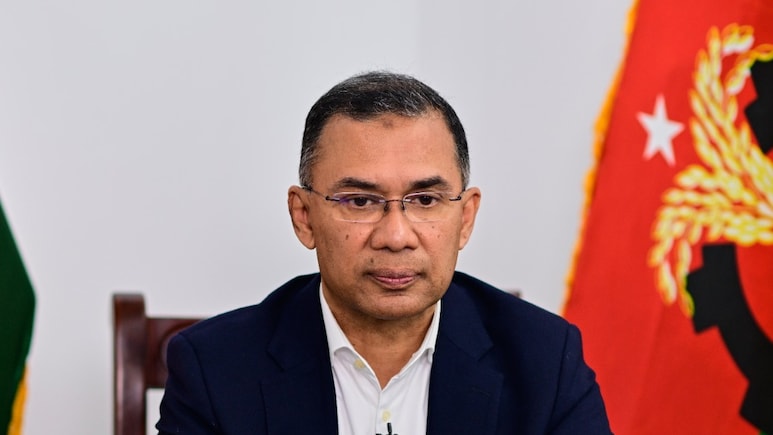
As power shifts once again in South Asia, Bangladesh stands at a pivotal crossroads. With Tarique Rahman poised to become prime minister after the sweeping victory of the Bangladesh Nationalist Party (BNP), the country could be entering a dramatically different political chapter. Once branded the “Dark Prince” and long viewed with suspicion in New Delhi, Rahman now presents himself as a pragmatic, reform-focused leader promising stability, minority protection, and balanced diplomacy.
For India, the stakes are high: a 4,000-kilometre border, deep trade and energy ties, and unresolved tensions dating back to the BNP's previous stint in power. For Bangladesh's Hindu minority and a region shaped by historic rivalries, Rahman 2.0 may signal either a cautious reset — or the reopening of old fault lines.
India moved swiftly to congratulate Rahman, signalling its intent to stabilise ties that had frayed following the 2024 ouster of former prime minister Sheikh Hasina.
Also Read | Layoffs Are Rising In Tech, But These Skills Are Helping People Unlock Better Pay
Prime Minister Narendra Modi said he was “delighted” to speak with Rahman and congratulated him on the “remarkable victory in the Bangladesh elections.”
“I conveyed my best wishes and support in his endeavour to fulfil the aspirations of the people of Bangladesh,” Modi posted on X. “As two close neighbours with deep-rooted historical and cultural ties, I reaffirmed India's continued commitment to the peace, progress, and prosperity of both our peoples.”
India-Bangladesh Ties At A Crossroads
Rahman takes office at a sensitive juncture in bilateral relations. India and Bangladesh share a nearly 4,000-km border and are deeply interconnected through trade, power supply and connectivity projects. However, ties deteriorated after Hasina fled to India amid student-led protests in 2024. Dhaka's repeated requests for her extradition remain unresolved, adding friction to the relationship.
Rahman, widely known in Bangladesh as Tarique Zia, has articulated a “Bangladesh First” foreign policy stance — pledging equidistance from India, China and Pakistan.
In a public address after returning from 17 years in exile in London, he declared: “Not Dilli, not Pindi — Bangladesh before everything.”
While the BNP manifesto made no explicit mention of India, Rahman has pledged to pursue a “fair share” of Teesta and Padma river waters — a longstanding points of contention.
Minority Safety And Domestic Signals
The BNP chief has also sought to reassure minorities following recent communal violence. Hindus, who constitute roughly 8% of Bangladesh's population, faced attacks after unrest linked to the killing of a radical leader last year.
In his first major address after returning to Dhaka, Rahman struck a conciliatory tone: “Religion is individual, but the state belongs to everyone. We will build a safe Bangladesh for all.”
Former Indian Foreign Secretary and Rajya Sabha MP Harsh Vardhan Shringla welcomed Rahman's early messaging. “The people of Bangladesh have voted for a party that represents political interests. It is a pro-liberation party,” Shringla told ANI.
“The head of the BNP, Tarique Rahman, has made positive statements about maintaining good relations with India and ensuring that minorities are protected. Cooperation with Bangladesh's most immediate and largest neighbour would be mutually beneficial.”
Former Indian High Commissioner to Bangladesh, Veena Sikri, described the result as “a great victory for the people of Bangladesh.”
“I think the victory of Tarique Rahman is a victory for democracy,” Sikri said, adding that rival Jamaat-e-Islami had campaigned aggressively using “financial and religious exhortation.”
The Road Ahead
Despite years in exile, Rahman retained control of BNP's organisational structure through remote messaging and party loyalists. His return last December drew massive crowds, underscoring sustained grassroots support.
Analysts say the immediate test for “Tarique Rahman 2.0” will be whether he can translate conciliatory rhetoric into durable policy shifts — particularly on minority protection, water-sharing disputes and security cooperation.
Essential Business Intelligence, Sharp Market Insights, Practical Personal Finance Advice, Daily Fuel, Gold and Silver Prices and Latest Stories — On NDTV Profit.