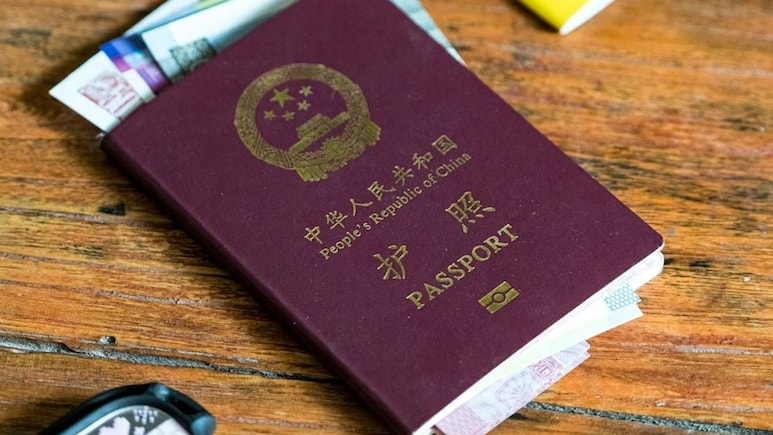
Beijing just made it harder for its citizens to leave. Under newly implemented travel rules, authorities hold expanded power to issue exit bans, signaling an unprecedented level of state control over Chinese nationals worldwide.
Under these new rules, if China decides a citizen harmed the country's security or interests while traveling, they can be banned from leaving China for up to three years after they come back. The same travel ban applies to anyone caught breaking technology import and export laws.
Chinese authorities say the measures are intended to safeguard national sovereignty and security and insist they are not aimed at restricting ordinary citizens. A government-backed “rumour-refuting” platform said the rules target high-risk individuals and destinations and are designed to prevent citizens from being deceived into travelling abroad or becoming involved in illegal gambling and scams.
Also Read | Layoffs Are Rising In Tech, But These Skills Are Helping People Unlock Better Pay
Critics, however, argue that the regulations could provide another mechanism for Beijing to monitor and pressure Chinese nationals over their activities overseas. Tom Kellogg, executive director of Georgetown University's Center for Asian Law, told BBC Chinese that travel restrictions could be used against people who criticise the government or engage in rights advocacy.
Concerns have also been raised over the lack of transparency surrounding existing exit bans. Some citizens reportedly discover restrictions only when applying for passports or attempting to leave China, with no clear mechanism currently available for individuals to check whether they are subject to travel controls.
ALSO READ: US Has Weapons In Space: What We Know About The Secret Orbital Capability
Effective Tuesday, newly implemented regulations empower Chinese officials to issue exit bans against citizens who breach technology import and export laws, specifically where such violations are judged to compromise national industrial or technological security.
A Chinese citizen identified as Pipi told BBC Chinese that his passport application was rejected after he had participated in Hong Kong's 2019 pro-democracy protests. He said officials informally linked the decision to the “Hong Kong issue” but provided no written explanation.
Data supplied to the BBC by rights group Safeguard Defenders suggests exit bans have increased sharply. Records mentioning such bans in China's Supreme Court database rose from 89 in 2016 to 188,760 last year, while their share of civil verdicts increased from about 0.23% in 2019 to 7.3% in 2025.
The rules also require border officials to advise citizens against travelling to designated “high-risk” destinations. Some state employees and civil servants already face overseas travel restrictions, including passport surrender and internal approval requirements.
Essential Business Intelligence, Sharp Market Insights, Practical Personal Finance Advice, Daily Fuel, Gold and Silver Prices and Latest Stories — On NDTV Profit.