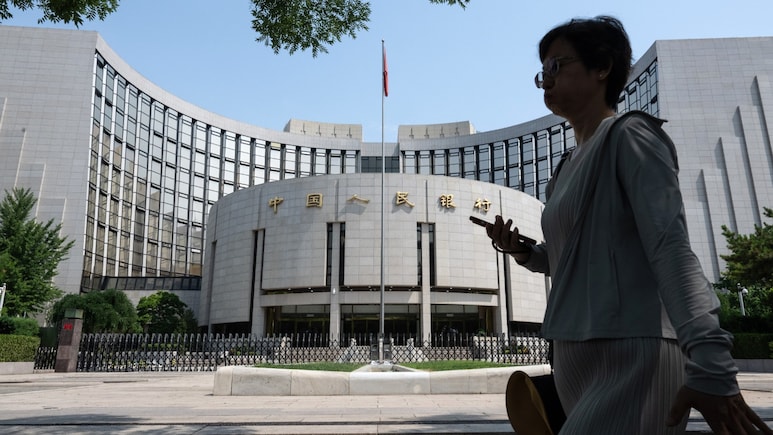
| China's central bank may be embarking on a multi-month transition toward an overnight policy interest rate, a shift that will require more frequent liquidity operations using the new benchmark candidate to test market reception, analysts say. Analysts at Société Générale SA, Standard Chartered and Tianfeng Securities see the switch as a gradual process rather than a one-off change, following People's Bank of China Governor Pan Gongsheng's signal that the central bank will study replacing its seven-day benchmark with an overnight tenor. The transition underscores the central bank's ongoing efforts to refine its monetary policy framework and to place greater emphasis on interest-rate guidance. How the switch is implemented could directly impact funding costs, which have already helped pull benchmark bond yields toward their lowest close since early 2025. ALSO READ | Banned From Top AI Chips, Chinese Giants Just Dropped $35 Billion On This Nvidia GPU Also Read | Layoffs Are Rising In Tech, But These Skills Are Helping People Unlock Better Pay "The PBOC should be conducting more frequent one-day open market operations and observe whether the transmission is working well to influence short-term rates and reduce volatility," said Michelle Lam, greater China economist at Société Générale. 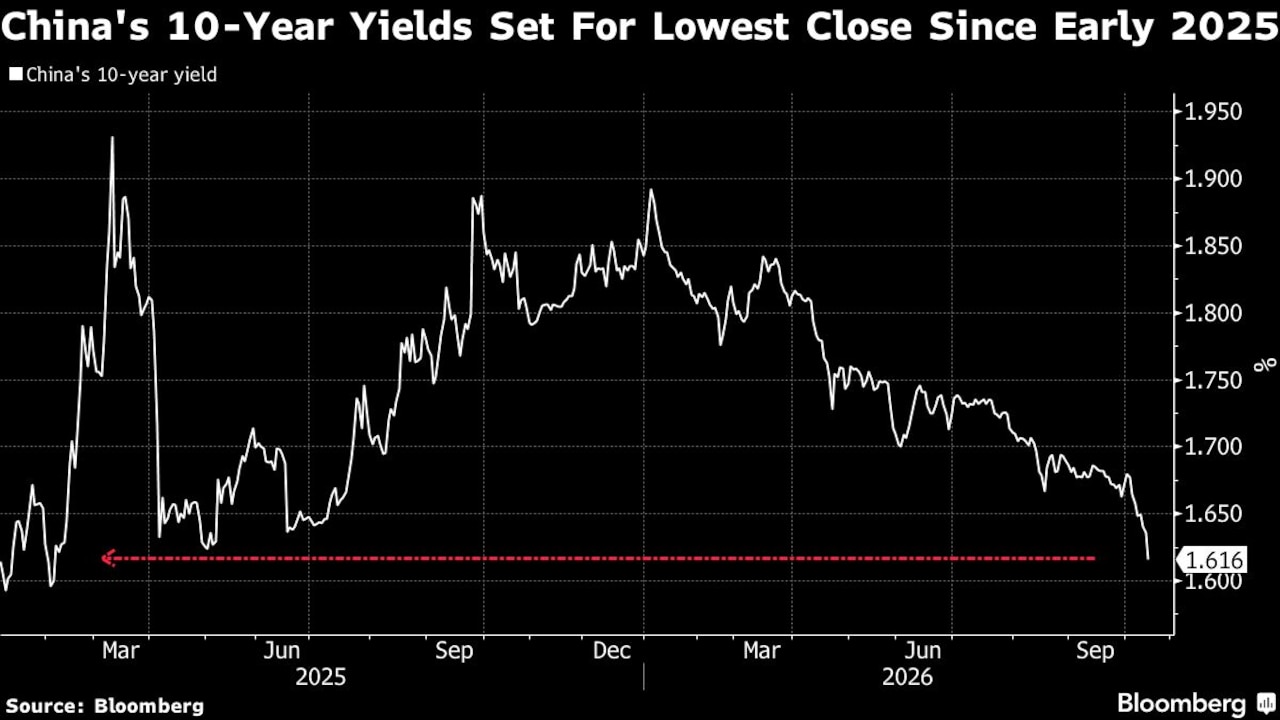 "It could take place over the coming months as soon as the fourth quarter. The window is the upcoming quarterly PBOC meeting," she said. Demonstrating that step-by-step approach, the PBOC announced it will conduct overnight reverse repos from Oct. 21 to Nov. 2, moving beyond its prior practice of using such operations strictly during month-end or tax-payment seasons. Gao Xiang, head of the financial derivatives team at Nanhua Futures Research Institute, said the PBOC's announcement on overnight reverse repo operations in October and November is intended to lay the groundwork for the transition. "We believe further groundwork may be needed before the transition to an overnight policy rate can be completed, including increasing the frequency of overnight operations and improving pricing transparency," he said. Even though some market participants have interpreted the move as a potential rate cut in effect, the central bank has refrained from providing any hint on whether the transition would amount to de facto easing so far. China's one-year interest rate swap, a gauge indicating traders' expectation for rate outlook, dipped to the lowest since 2009. There are signs that the PBOC is trying to downplay any easing implications from the move. Financial News, a newspaper affiliated to the PBOC, cited GF Securities economist Guo Lei in a Tuesday report as saying that the market should not conflate the central bank's reform measures as a rate reduction. The PBOC has been consistent with its reform toward a price-based policy framework, Guo was cited as saying. "The PBOC is worried that the move being seen as a rate cut will lead to more pressure on Chinese government bonds' yields, and market expectations for the yield will go down further as more people pile into it," said Ding Shuang, chief economist for Greater China and North Asia at Standard Chartered Plc. He expects the shift to take place by year-end as conditions for a switch are "basically mature." ALSO READ | China Slaps Export Curbs on More Drones and Industrial Machinery While near-term policy meetings may provide further clarity on the framework, a formal switch could take longer to materialize as the central bank tests transmission. "We expect the overnight open market operation rate may be formally established as the benchmark anchor in the first half of 2027," Tianfeng Securities analysts led by Liu Jie wrote in a note. |
(This story has not been edited by NDTV staff and is auto-generated from a syndicated feed.)
Essential Business Intelligence, Sharp Market Insights, Practical Personal Finance Advice, Daily Fuel, Gold and Silver Prices and Latest Stories — On NDTV Profit.