Cape Verde, the West African island nation that made headlines this year after its men's football team reached the FIFA World Cup knockout stage, is set to hold its presidential elections on Sunday. The archipelago could elect its first woman president as former Justice Minister Joana Rosa takes on incumbent Jose Maria Neves, who is seeking a second term.
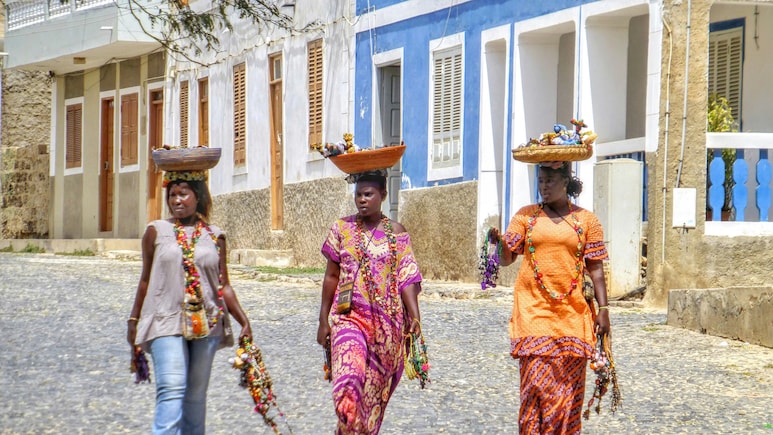
Located more than 600 km, west of mainland Africa, the former Portuguese colony has a population of around 500,000, while a larger Cape Verdean community lives overseas, mainly in the United States and Portugal.
The election is significant not only because of Rosa's historic candidacy but also because of the political balance of power, economic challenges and the role of overseas voters in the Atlantic island nation, according to the Associated Press (AP).
Also Read | Layoffs Are Rising In Tech, But These Skills Are Helping People Unlock Better Pay
Here are five things to know about Cape Verde's presidential elections and why they matter.
Who Is Running?
Six candidates are competing in the presidential election, with incumbent Jose Maria Neves and former Justice Minister Joana Rosa among the key contenders.
Neves, who won the 2021 election with around 52% of the votes, is seeking a second term. He has pledged to build cross-party support to improve housing, healthcare and education, create jobs and raise wages. His incumbency also gives him greater visibility, including among overseas voters, according to an AP report.
Rosa, meanwhile, is backed by the opposition Movement for Democracy (MpD). Her campaign has focused on maintaining a balance of power, arguing that the country needs a counterweight to the African Party for the Independence of Cape Verde (PAICV), which backs Neves and controls the government and most municipalities.
PAICV won a parliamentary majority in May, ending a decade of government led by the MpD. A Rosa victory would once again place the presidency and government in rival political camps.
Why Is This A Milestone?
Rosa is the first woman to contest the presidential election since Cape Verde gained independence from Portugal in 1975. Although women have held senior cabinet positions, the country has never had a female prime minister or president.
Her candidacy challenges traditional expectations of women's roles in a society that remains "very patriarchal", the AP report noted.
However, gender may not be the deciding factor for voters. The AP report further shared that the political party loyalties mattered more than Rosa's gender.
How Much Power Does The President Actually Have?
Cape Verde follows a parliamentary system in which the prime minister directs government policy and holds most executive powers.
The president, who is directly elected, largely performs a ceremonial role. However, the position is not entirely symbolic, as the head of state has the power to veto legislation.
The election is therefore also important for the country's political balance. If Rosa wins, the presidency could act as a counterweight to the PAICV-led government. If Neves secures another term, the presidency would remain aligned with the party backing him.
What Are Voters Actually Worried About?
Economic opportunities, employment, housing, healthcare and education are among the key concerns for voters.
Many Cape Verdeans feel disconnected from their political leaders and want a president who understands their everyday difficulties, the AP report noted. Limited economic prospects have also encouraged young people to leave the country in search of better opportunities abroad.
Neves has promised to focus on job creation, higher wages and improvements in essential public services.
Meanwhile, the financial responsibilities shouldered by women and the lack of adequate policies to address their concerns remain important issues in the country.
What Happens If Nobody Hits 50%?
Six candidates are contesting the election. Under the electoral system, a candidate must secure more than 50% of the votes to win outright. If nobody crosses the threshold, the election will proceed to a runoff on November 29.
The overseas electorate could also play an important role. Nearly 77,000 Cape Verdeans living abroad are registered to vote, accounting for almost a fifth of the total electorate.
The country has a history of peaceful transfers of power and competitive elections, a record that stands out in a region where such transitions are relatively rare.
The diaspora vote, therefore, could be an important factor in determining the outcome of the presidential contest.
ALSO READ: One Router, Over 9,000 Canceled Flights: How An L3Harris Upgrade Paralyzed US Aviation
Essential Business Intelligence, Sharp Market Insights, Practical Personal Finance Advice, Daily Fuel, Gold and Silver Prices and Latest Stories — On NDTV Profit.