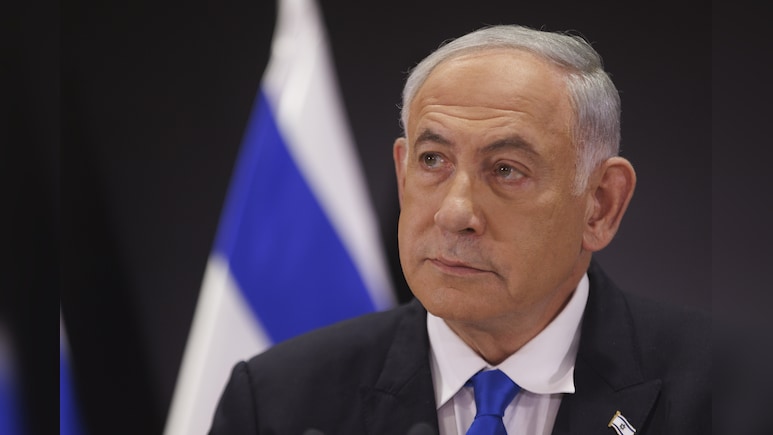
Israel votes on Tuesday in an election that will decide whether Prime Minister Benjamin Netanyahu, in office for nearly 19 years across three stints since 1996, can stay in power.
Opinion polls suggest neither his bloc nor the opposition is assured of a majority, so coalition talks after the vote will be decisive.
How The System Works
Israel, roughly the size of Mizoram, treats the whole country as one constituency to elect the 120-member Knesset.
Also Read | Layoffs Are Rising In Tech, But These Skills Are Helping People Unlock Better Pay
Voters choose closed party lists, not individual candidates. A party needs 3.25% of the vote to win seats, which often forces pre-election mergers. More than 7.3 million eligible voters can choose among 38 parties.
The Knesset serves four years, but early elections can be called if it dissolves itself, fails to pass a budget or cannot form a government.
The largest party does not automatically govern. The president consults the parties and picks a lawmaker to form a government, who must secure the support of at least 61 members.
Netanyahu's Challenges
The Likud leader faces scrutiny over the October 7, 2023 Hamas attack, which killed around 1,200 people in Israel.
He is also on trial for fraud, breach of trust and bribery, which he denies. The International Criminal Court issued an arrest warrant for him in 2024 over alleged war crimes and crimes against humanity.
ALSO READ | Netanyahu Invites PM Modi To Israel's Independence Day; Smit Machchhar To Be Honoured
Gaza War: The Toll And The Reckoning
After the attack, Israel launched a large-scale military campaign in Gaza, involving airstrikes, ground operations and restrictions that severely disrupted civilian life.
According to Gaza's health ministry, more than 74,000 Palestinians have been killed and over 175,000 injured since the war began. The future of the war and accountability for October 7 are central to the campaign.
Iran War: Security At The Centre
The US and Israel launched joint strikes on Iran on February 28, 2026, and this is Israel's first election since the war began.
Netanyahu is campaigning on his record against external threats and vows to destroy Iran's nuclear capabilities if re-elected. Critics say the wars did not achieve their aims.
Still, only 10% of Israelis rank the Iran war as their top priority, behind the economy at 21%, though it leads among Netanyahu's own voters at 21%.
ALSO READ | Netanyahu Invites PM Modi To Israel's Independence Day; Smit Machchhar To Be Honoured
Who Are The Challengers?
Gadi Eisenkot, a former military chief, leads the centrist Yashar party. Former prime minister Naftali Bennett heads the B'Yachad alliance with Yair Lapid's Yesh Atid. Yair Golan's Democrats, Avigdor Liberman's Yisrael Beiteinu and Arab-led parties Ra'am and the Joint List are also in the race.
Netanyahu's allies include far-right parties led by Itamar Ben-Gvir and Bezalel Smotrich, plus ultra-Orthodox parties.
What Do The Polls Say?
Four polls published at the weekend put Yashar ahead with 22 seats to Likud's 19, with opposition parties averaging 54 seats against 49.5 for Netanyahu's bloc.
Neither side reaches 61. Arab turnout could reach 60%, and at 65% Arab parties could win up to 15 seats. Smotrich's Religious Zionism has often polled near the threshold.
Other Issues, And What Happens Next
A key dispute is military service exemptions for ultra-Orthodox men. Israel's Supreme Court ruled in 2024 that blanket exemptions cannot continue without legislation.
United Torah Judaism has quit Netanyahu's coalition over the issue, and Shas says it will not back a future government without a law on seminary students. Judicial changes sought by the government are also contested.
Outcomes may hinge on which smaller parties cross the threshold, since votes for parties that fall short are wasted. Coalition negotiations could take weeks.
Essential Business Intelligence, Sharp Market Insights, Practical Personal Finance Advice, Daily Fuel, Gold and Silver Prices and Latest Stories — On NDTV Profit.