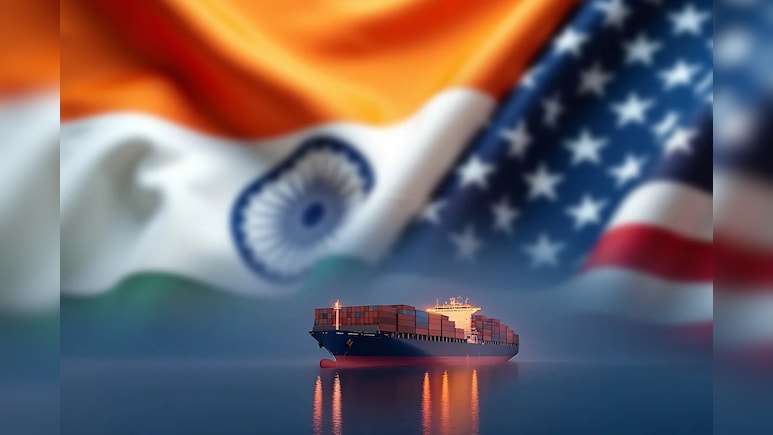
The United States on Friday initiated a fresh probe into 60 trading partners including India for alleged use of "forced labour" for production of goods, as the Trump administration intensify steps to create trade barriers after legal setback on tariffs.
The US Trade Representative has invoked Section 301(b) of the Trade Act of 1974, to determine whether acts, policies, and practices of each of these economies related to the failure to impose and effectively enforce a ban on the importation of goods produced with forced labor are unreasonable or discriminatory and burden or restrict US commerce, according to statement. Section 301 is designed to address unfair foreign practices affecting US commerce.
"Despite the international consensus against forced labor, governments have failed to impose and effectively enforce measures banning goods produced with forced labor from entering their markets. For too long, American workers and firms have been forced to compete against foreign producers who may have an artificial cost advantage gained from the scourge of forced labor,” said USTR chief Jamieson Greer.
"These investigations will determine whether foreign governments have taken sufficient steps to prohibit the importation of goods produced with forced labor and how the failure to eradicate these abhorrent practices impacts US workers and businesses," he added.
Forced labour is strictly prohibited in India. Article 23 of the Constitution enshrines the prohibition of human trafficking, begging and any other form of forced labour.
Trade Practices
The "forced labour" probe comes a day after the USTR said it has evidence of "structural excess capacity and production" in India and started probe under Section 301 for alleged unfair practices. The agency highlighted the $58 billion bilateral trade surplus India had with the world's largest economy last year.
"... evidence suggests the solar module sector is plagued by excess capacity, including that India's current module manufacturing is nearly triple annual domestic demand. India also has created significant excess capacity in petrochemicals, steel, and other industries," the agency said.
Washington and New Delhi agreed on a trade deal early February that will slash US tariffs on many Indian goods to 18% from 50%. However, the US Supreme Court later struck down the duties imposed under emergency powers last year, halting trade negotiations. Trump has since imposed a new 15% global tariff on most imported goods.
The other countries that the USTR will probe are China, the European Union (EU), Singapore, Switzerland, Norway, Indonesia, Malaysia, Cambodia, Thailand, Korea, Vietnam, Taiwan, Bangladesh, Mexico, and Japan.
After public hearings and consultations with countries, the USTR will mull whether to take tariff and non-tariff actions.
ALSO READ: US Launches Probe Into India For Running $58 Billion Trade Surplus
Essential Business Intelligence, Sharp Market Insights, Practical Personal Finance Advice, Daily Fuel, Gold and Silver Prices and Latest Stories — On NDTV Profit.