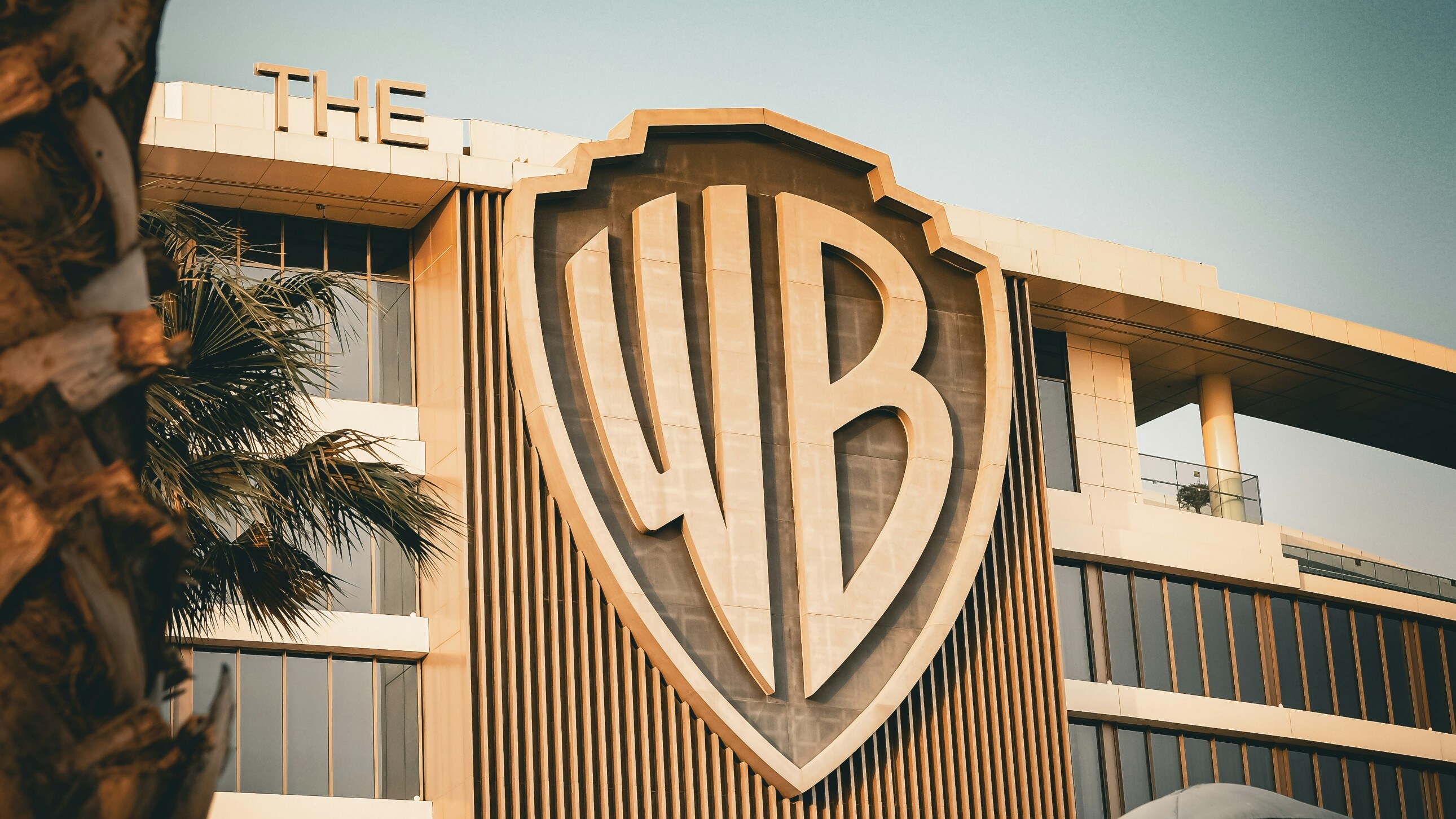
- Warner Bros. was founded in 1923 by four Warner brothers as a film production company
- The studio pioneered talking pictures with 1927's The Jazz Singer, changing Hollywood
- Warner Bros. built a vast media library including DC Comics, Harry Potter, and classic films
The storied history of Warner Bros. is more than a timeline of blockbuster films, it is a century-long saga of adaptation and innovation.
This legacy now sits in the hands of streaming giant Netflix, thanks to the $82 billion acquisition deal. From its humble origins rooted in rental movie exchanges, Warner Bros. grew into a bigger screen that shaped American popular culture. The studio's 102-year trajectory has come to mirror the entire evolution of Hollywood.
The journey began in 1923, founded by four brothers, Harry, Albert, Sam, and Jack Warner who pooled their resources to launch a film distribution and production venture. Warner Bros. soon established itself as a pioneer of films with synchronised sound otherwise known as talkies, The Jazz Singer, transforming the silent film industry.
This commitment to technological innovation established the studio's place as a key architect of Hollywood's Golden Age. With the success of the studio's 1964 film of Broadway play My Fair Lady, as well as its soundtrack, Warner Bros. Records became a profitable subsidiary.
Bugs Bunny, a character created for the Looney Tunes series, is the company's official mascot. Over the decades, the company built one of the most valuable media libraries in history, creating a stable of assets that are instantly recognisable globally.
Warner Bros. is the keeper of cultural pieces of art, including the cinematic worlds of DC Comics, the magical realm of Harry Potter, and timeless classics like Casablanca. Its vast archive became Netflix's main traction for the fierce battleground of the modern streaming wars.
Passing through the hands of conglomerates like Time Warner and AT&T, the company was continually reshaped to fit the strategic goals of massive telecommunications and media holding companies.
The most recent shift was the $82 billion deal Netflix Inc. has inked to buy Warner Bros. Discovery Inc. Under the deal announced Friday, Warner Bros. shareholders will receive $27.75 a share in cash and stock in Netflix. The total equity value of the deal comes to about $72 billion, while the enterprise value of the deal is approximately $82.7 billion. The acquisition is expected to close in 12 to 18 months.
Netflix's buy of the centenarian company, along with its iconic content gives the video-streaming giant powerful programming to sustain its lead over challengers like Walt Disney Co. and Paramount.
With the purchase, Netflix becomes owner of the HBO network, along with its wide library of hits like The Sopranos and The White Lotus. Warner Bros. assets also include its sprawling studios in Burbank, California, along with a vast film and TV archive that includes fan favourites like Harry Potter and Friends.
Tracing the Journey: A 100-Year Timeline
The Pioneers: Warner Bros.
1923: Harry, Albert, Sam, and Jack Warner officially incorporate Warner Bros. Pictures.
1927: WB changes the world with The Jazz Singer, the first feature-length "talking picture."
1930s-40s: The Golden Age. WB becomes known for gangster films, Looney Tunes, and classics like Casablanca.
1960s-90s: Expansion into television, music, and massive franchises. They acquire DC Comics and launch the Batman and Harry Potter franchises.
2000s: WB dominates the box office but the industry begins to shift toward digital.
1997: Reed Hastings and Marc Randolph found Netflix as a DVD-by-mail service.
2000: Netflix offers to sell itself to Blockbuster for $50 million. Blockbuster declines.
2007: Netflix launches its streaming service, forever changing how content is consumed.
2013: Netflix releases House of Cards, officially becoming a creator of original content, not just a distributor.
The Streaming Wars: Traditional studios like Warner Bros. via HBO Max and Discovery try to pivot to streaming to fight Netflix.
The Acquisition: Netflix, now a financial juggernaut, acquires Warner Bros. for $82 billion, bringing Batman, Harry Potter, and Game of Thrones under the same roof as Stranger Things.
Essential Business Intelligence, Continuous LIVE TV, Sharp Market Insights, Practical Personal Finance Advice and Latest Stories — On NDTV Profit.