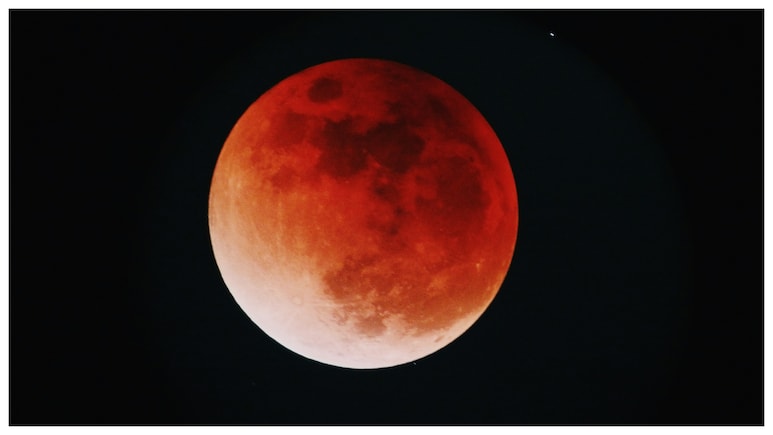
The last Chandra Grahan of 2026 falls on Aug. 28, coinciding with Raksha Bandhan. The eclipse will begin with the penumbral phase at 6:55 AM IST, followed by the partial lunar eclipse at 8:04 AM. It will reach its maximum at 9:43 AM, while the partial phase will end at 11:21 AM. The eclipse will completely end at 12:30 PM.
It will be a deep partial lunar eclipse, with around 96% of the Moon expected to pass into Earth's darker shadow at its peak. The eclipse will be visible in North and South America and parts of Europe and Africa.
However, the eclipse will not be visible from India, so people need not worry about any eclipse-related restrictions.
Also Read | Layoffs Are Rising In Tech, But These Skills Are Helping People Unlock Better Pay
ALSO READ | Chandra Grahan 2026: August 27 Or 28? Check Lunar Eclipse Date, Time And India Visibility
Sutak Kaal In India
Sutak Kaal is an inauspicious period observed in Hindu tradition before and during solar and lunar eclipses. Since the Chandra Grahan will not be visible in India, Sutak Kaal will not be applicable in India. This means people can continue their usual activities and religious rituals without any eclipse-related restrictions.
Raksha Bandhan celebrations can also take place as usual. Families can tie Rakhi, perform puja, apply tilak, share sweets and exchange gifts without worrying about Sutak. However, people living outside India may need to check the eclipse visibility and Panchang timings for their location.
Food Rules And Do's And Don'ts
In places where Sutak is observed, people traditionally spend the period praying, meditating or chanting mantras. Some families also place Tulsi leaves in stored food and water before the Sutak period begins.
Traditionally, people may avoid cooking and eating during Sutak, although children, elderly people and those who are unwell are often exempt. Some households may also avoid starting important ceremonies or performing regular temple rituals during this time. After the eclipse, people may take a bath, clean their puja area and continue their usual worship.
However, these traditional restrictions will not apply in India on Aug. 28, 2026, as the lunar eclipse will not be visible from the country.
ALSO READ | Sturgeon Moon 2026: What Does It Mean And When To Watch The 'Almost Blood Moon' Eclipse
Essential Business Intelligence, Sharp Market Insights, Practical Personal Finance Advice, Daily Fuel, Gold and Silver Prices and Latest Stories — On NDTV Profit.