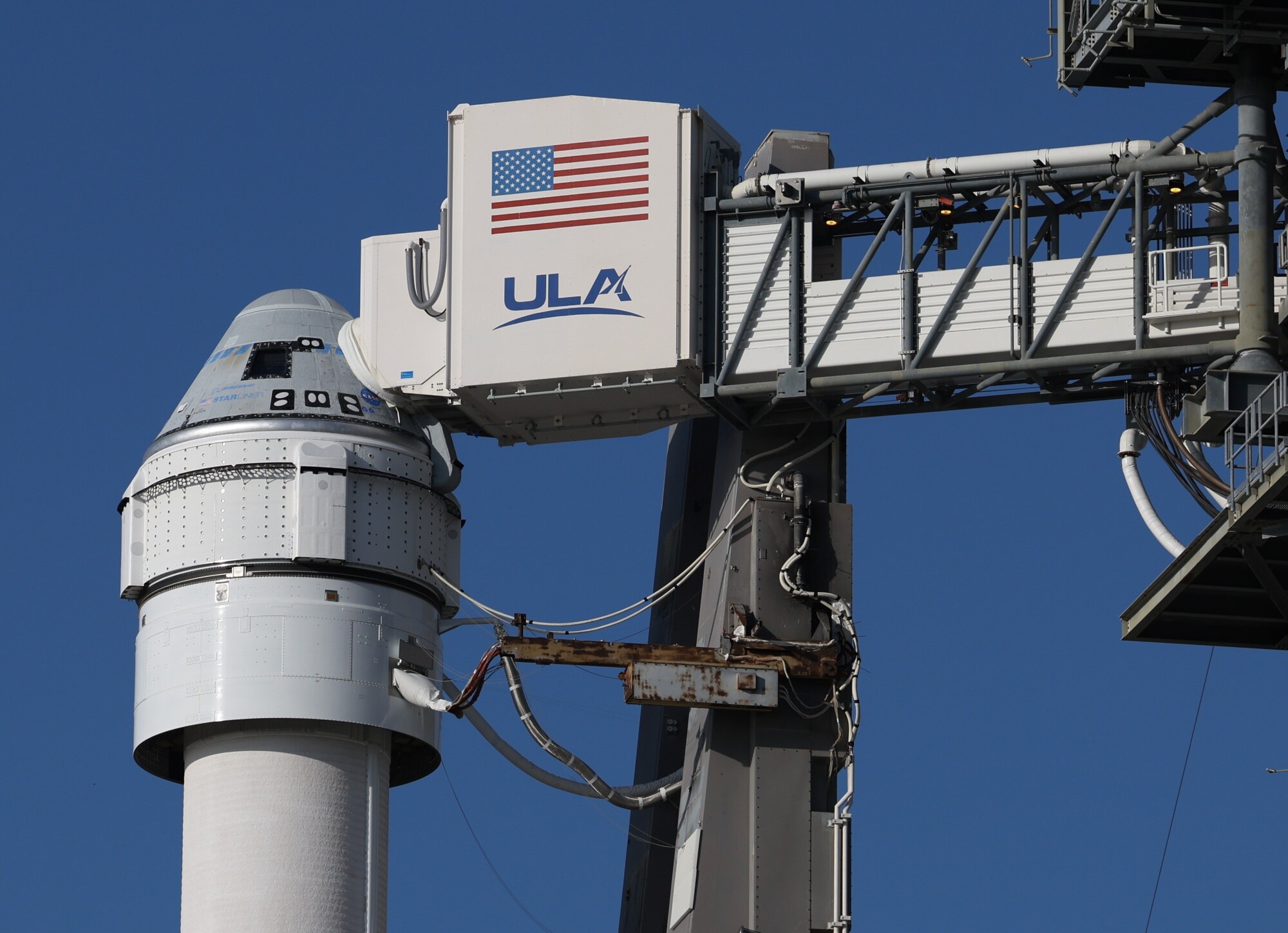
(Bloomberg) -- For the third time in roughly a month, Boeing Co. will try to launch its long-delayed space taxi with the vehicle's first human crew for NASA, following weeks of delays over technical issues and two called off launch attempts.
Two veteran NASA fliers — Sunita “Suni” Williams and Barry “Butch” Wilmore — are set to take off inside Boeing's spacecraft, the CST-100 Starliner, at 10:52 a.m. local time from Cape Canaveral, Florida. Their ride to space is an Atlas V rocket, built and operated by the United Launch Alliance, which will help put them en route to visit the International Space Station.
This mission is a key flight test for NASA to prove that Starliner can safely transport the agency's astronauts to and from the ISS. Boeing and rival SpaceX were both awarded NASA contracts in 2014 to build spacecraft that can ferry astronauts to the space station and back, part of the agency's Commercial Crew Program.
But a series of technical glitches and setbacks have delayed Starliner's first crewed flight by roughly seven years and fueled some $1.5 billion in cost overruns. In the meantime, SpaceX has launched nine crews to the International Space Station for NASA since 2020.
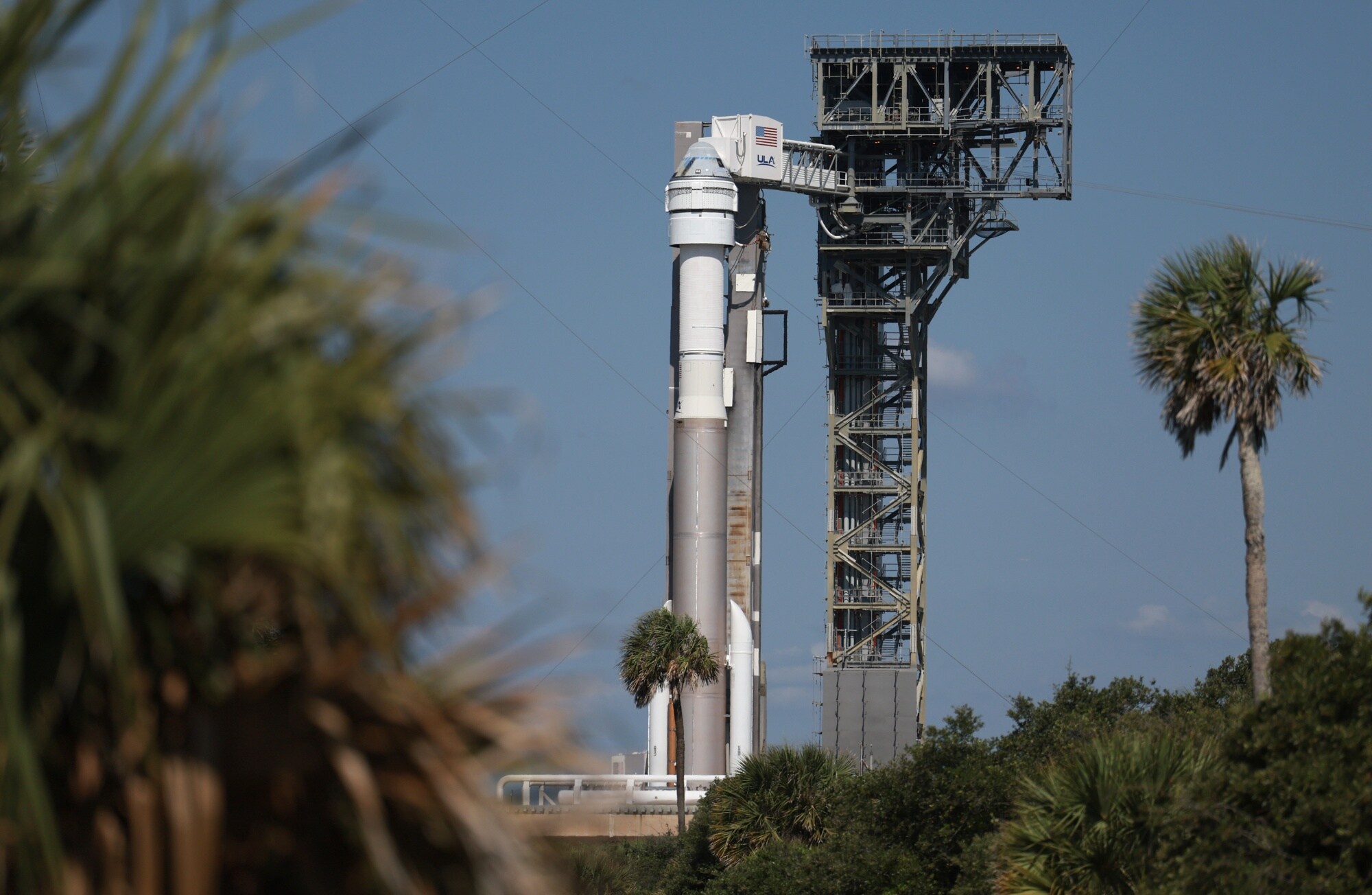
Boeing has also encountered last-minute issues that have stalled this critical test from getting off the ground.
Boeing and NASA first tried to launch on May 6, but the flight was halted hours before takeoff due to an oddly behaving pressure valve in the Atlas V rocket. Boeing further delayed the launch by a few weeks to investigate a small helium leak on Starliner. The company is now prepared to fly the vehicle without fixing the leak.
A June 1 attempt was called off less than four minutes before takeoff after a launch computer needed for the final stages of flight was slow to respond. NASA said that ULA has since fixed a failed power source that triggered the abort and the companies are ready to try again.
More stories like this are available on bloomberg.com
©2024 Bloomberg L.P.
Essential Business Intelligence, Continuous LIVE TV, Sharp Market Insights, Practical Personal Finance Advice and Latest Stories — On NDTV Profit.