- Manish Gupta of Google DeepMind believes AI's long-term impact is underestimated
- AI can solve tough challenges like diseases and boost human capabilities greatly
- Google pledged $8M to India's AI Centers for health, agriculture, education, and cities
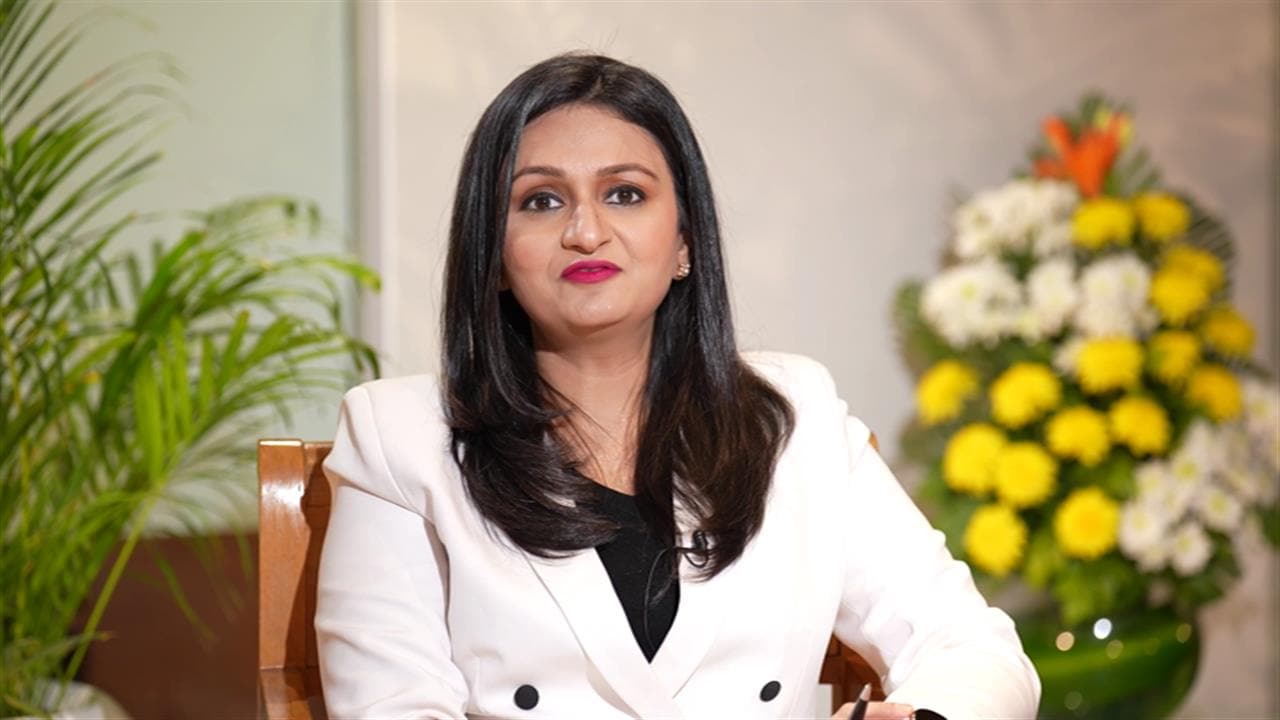
With power to solve humanities' toughest challenges, including in frontiers of medicine, artificial Intelligence will push human capabilities to "unimaginable" levels, Manish Gupta, Senior Director of Google DeepMind, has said, affirming his belief that its long-term impact is "still underestimated".
The comment comes at a time when global debates are playing out the sharp divide between the AI bulls, who view massive infrastructure spends as a necessary foundation for a once-in-a-lifetime tech revolution, and skeptics who question the super-sized spendings and warn of a dotcom-type build-up.
Gupta said he is of the view that the long-term impact of AI is "still underestimated".
"We still haven't fully digested how it is going to change the world in a very fundamental manner...So if you talk about, say, finding cures to some of the diseases...which have defied effective solution...we believe AI is going to help us ultimately tackle a lot of these tough challenges," said the senior executive at Google DeepMind, the tech giant's premier AI research lab.
AI has the power to take human capability to levels hard to even imagine, according to Gupta.
Google — the architect of AI models, including Gemini and Gemma that are integrated for search enhancements, cloud services, and enterprise tools — last week announced a funding support of USD 8 million to India's AI Centers of Excellence for health, agriculture, education, and sustainable cities, and committed USD 400,000 to support the development of India's health foundation model.
The tech giant is also supporting Gnani.AI, CoRover.AI, and BharatGen with USD 50,000 grants each for building models serving Indic language solutions.
As such, Google's strategic focus on India was solidified in October with its announcement of a record USD 15-billion investment that would go into building an AI infrastructure hub in Andhra Pradesh, including a gigawatt-scale data centre in partnership with Adani Group.
Gupta noted that just as fire and electricity marked major turning points in human history, there is significant proof already that AI will be equally transformative.
"You can already see evidence that if you think about all of the tough problems that we face, so many scientific challenges, AI is showing that ability to dramatically accelerate scientific discovery," he said.
Gupta asserted that AI must be developed responsibly, given it is a powerful catalyst for growth. He advocated for the empowerment of those harnessing the technology for the greater good.
"Everything that we do, right from selection of data sets to development of models to deployment, we really go by responsible AI principles to make sure we are doing things in a responsible manner...to avoid harm and ultimately benefit humanity," he said.
According to him, AI is too important not to be regulated at all. At the same time, he said it has to be regulated with balance.
Gupta also praised the Indian government's balanced regulatory approach, which he said prioritises safety and compliance without stifling technological progress.
"I would really commend the Indian government on taking a very balanced approach to regulation, where they are trying to balance and regulate it in a manner that doesn't come in the way of innovation," he said.
FunctionGemma Launch: Google Infuses AI Into SmartphonesEssential Business Intelligence, Continuous LIVE TV, Sharp Market Insights, Practical Personal Finance Advice and Latest Stories — On NDTV Profit.