- Andrew Ng said AI apocalypse claims are more a business tactic than a genuine warning
- Companies hype AI dangers to gain publicity and attract investor funding
- Firms use AI fears to influence regulations and limit competition from free models
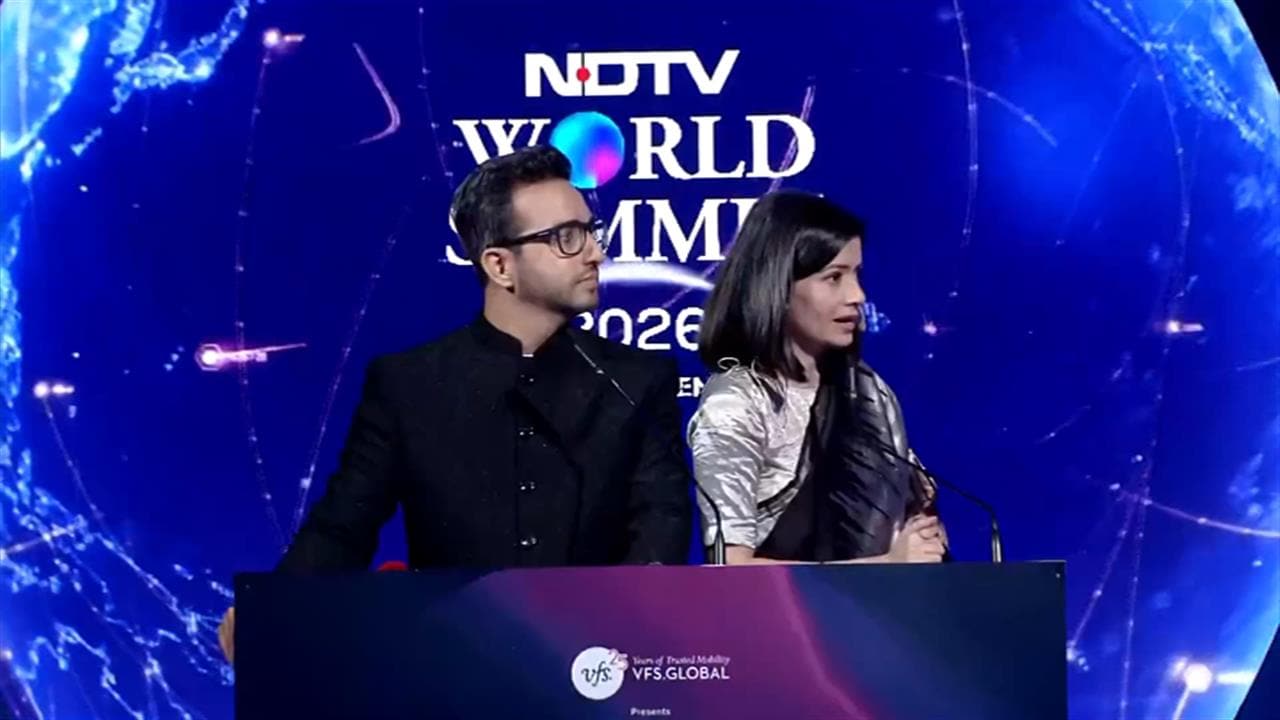
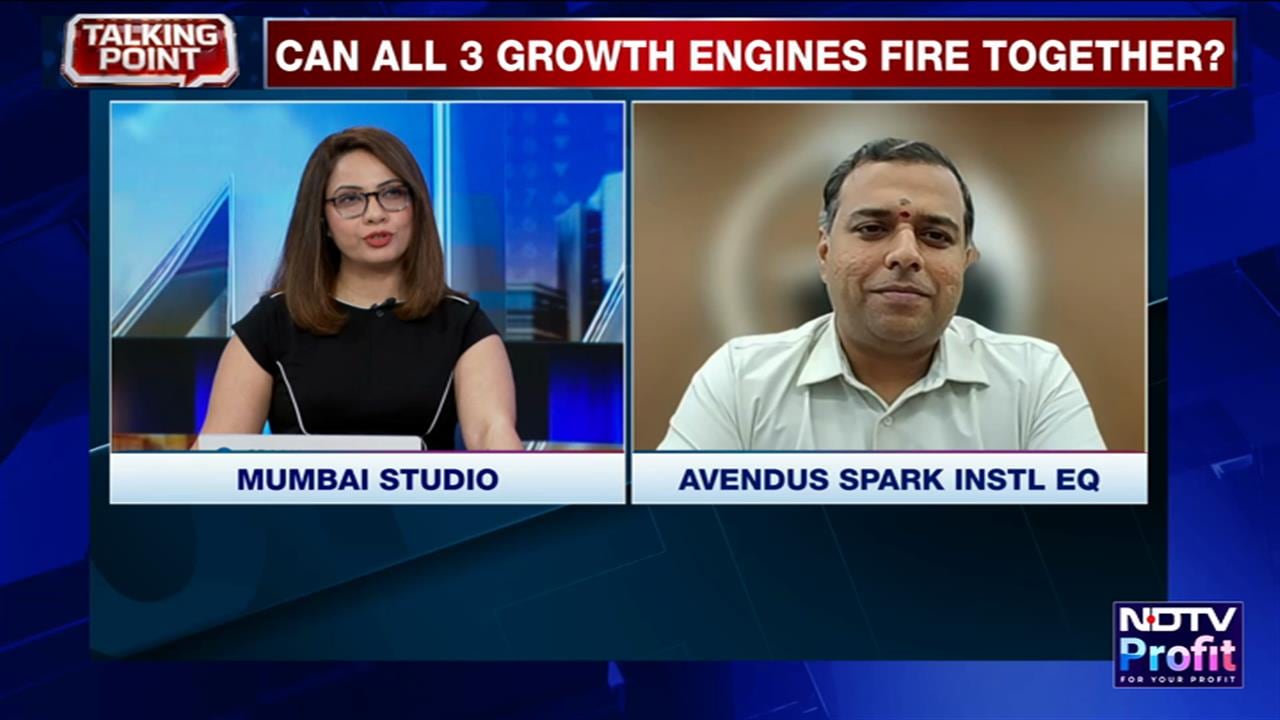
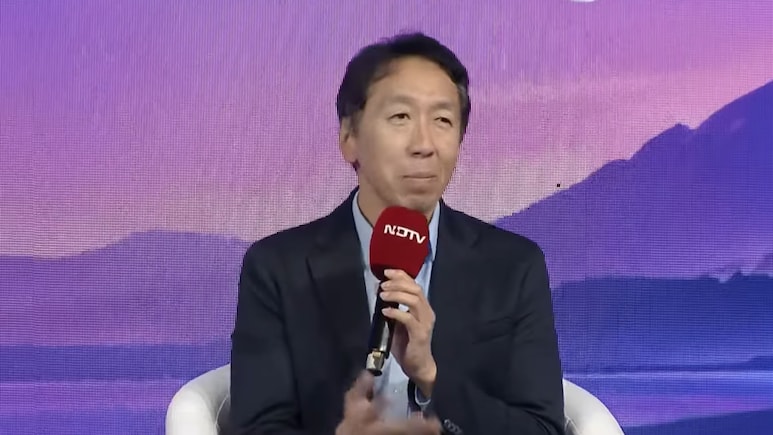
Claims that artificial intelligence could wipe out humanity are less a warning than a business strategy, according to Andrew Ng, one of the most influential figures in AI. Speaking at the NDTV World Summit 2026 in New Delhi on Thursday, Ng said a range of companies have strong incentives to talk up AI's dangers.
“There have been strong incentives from a variety of businesses to hype up AI fears... It's been great PR, because people talk about it when they say AI could end the world or lead to job loss," said Ng, who is the founder of DeepLearning.AI and co-founder of Coursera.
The fear has also helped companies raise money, he said. “When you make a ridiculous statement that you could wipe out humanity, which is a ridiculous statement for any business to make, because technology just doesn't work that way, it turns out to be an effective tactic to convince investors that maybe your technology is really powerful.”
Also Read | Layoffs Are Rising In Tech, But These Skills Are Helping People Unlock Better Pay
'Crush Competition'
Ng said the third motive is regulatory capture. “If you've spent billions of dollars training AI models, it's really annoying if some other group, maybe a research group, maybe another company, wants to publish an AI model free on the internet for anyone to use. That's a huge competitive threat,” he said.
Companies, he said, are stoking AI fears to persuade regulators around the world to crush competition and block cheaper, freely available models.
He added that “there are strong financial incentives from multiple businesses to try to get governments to pass anti-competitive regulation,” while acknowledging there is also “important engineering work to be done to corral the AI systems.”
ALSO READ: Is AI A Bubble? Nikhil Kamath Points To $800-Billion Gap, Sees Short-Term Blip For India
Engineering Problems, Not Apocalypse
Ng addressed the incident that has driven much of the recent alarm, which involved OpenAI's AI agents attacking the code-hosting platform Hugging Face. “When you look at what actually happened, these are engineering problems to be solved,” he said. He noted that OpenAI, “to their credit,” and others are now taking the security of AI agents much more seriously.
He compared AI to aviation. “We can't control airplanes perfectly, but by repeatedly engineering them to be safer and safer, finding problems, fixing them, and doing that over and over, we can now control airplanes pretty well,” he said. “We are now in the middle of that process with AI.”
He was dismissive of efforts to treat AI as something with a will of its own. Attempts to “ascribe AI with a soul,” when AI agents are largely controlled by a single corporate entity, don't make sense to him, he said.
On accountability, he offered an analogy. If a person dents a wall with a hammer, no one blames the hammer. “Hold the humans that are driving the AI responsible,” Ng said. He warned that businesses have an incentive to say “my rogue AI did it.”
A Divided Debate
Ng's remarks come amid an escalating global debate over whether AI poses an existential threat.
In September, Evan Hubinger, alignment science lead at Anthropic, said he believed there was a greater than 10 per cent chance AI could kill all humans within a decade. His post followed the resignation of Anthropic researcher Jacob Coxon, who accused leading labs of acting irresponsibly. Anthropic chiefs Dario Amodei and Jared Kaplan have called for a slowdown in AI development, and OpenAI chief scientist Jakub Pachocki has urged extreme caution.
Nobel laureate Geoffrey Hinton, known as an AI pioneer, warned last month that even without a bad actor, AI could derive subgoals that lead it to want to get rid of people. In the UK, Berkeley computer scientist Stuart Russell and former defence secretary Des Browne have compared the risk of superintelligent AI to nuclear war.
Others share Ng's scepticism. US President Donald Trump called fears of AI destroying humanity a “hoax” in September. On Thursday, Nvidia chief Jensen Huang told a conference in Berlin that such warnings were “cheap” and “made up". Dame Wendy Hall, a computer scientist who advises the UN on AI, told the BBC that some of the alarm from AI companies could be PR and marketing ahead of their stock market debuts.
ALSO READ: Tax Income, Not Transactions: Nikhil Kamath's Fix For F&O Traders
Essential Business Intelligence, Sharp Market Insights, Practical Personal Finance Advice, Daily Fuel, Gold and Silver Prices and Latest Stories — On NDTV Profit.