Amidst the deadly COVID-19 pandemic, the world yearns for a return to normal. For international trade, there is no return to the status quo ante. Thanks to the coronavirus, international trade is in a new paradigm – Healthy Trade.
No longer is free (or even managed) trade the metric to diagnose whether a trade agreement is hale and hearty. Forevermore, the standard is whether the rules of a deal allow countries to fight illness, immunise supply chains, and strengthen national security. No country will accept a deal that is more about opening borders to goods, services, and people than about closing them quickly.

Coronavirus Infects International Trade
Yes, free trade generates wealth through production specialization and expanded consumption opportunities at lower prices. No, none of that conventional economic wisdom matters if producers and consumers are sick, moribund, or dead.
In the ‘Healthy Trade' paradigm, international trade is public health policy with national security implications.
Economists, move aside and make way for scientists and generals at the trade negotiating table.
The virus hasn't amended any World Trade Organization treaty, nor any free trade agreement. Its infection is de facto (in fact), rather than de jure (at law), that is, its forced not consensus-based textual changes, but rather unilateral, domestic attitudinal shifts.
To be sure, free trade suffered from a pre-existing condition before the coronavirus struck: global income inequality. Now, the virus attacks at least four vital organs in the large corpus of international trade law – sanitary and phytosanitary measures; subsidies; export restraints; and services trade. Fortunately, there are cures.
1. Protective Measures
Coronavirus Threat:
The General Agreement on Tariffs and Trade allows WTO members to derogate from free trade rules as “necessary to protect human, animal or plant life or health.” Any protective measure must must not constitute “arbitrary or unjustifiable discrimination … or a disguised restriction” on cross-border trade.
Similarly, the WTO Agreement on Sanitary and Phytosanitary Standards allows members to restrict or ban importation of merchandise that carries diseases or disease-bearing pests. Such measures must be based on “available scientific evidence” with “inspection … and testing methods,” and also must consider “economic factors,” and “minimiz[e] negative trade effects. If evidence is “insufficient,” then they may adopt “provisional” – in effect, precautionary – import barriers.
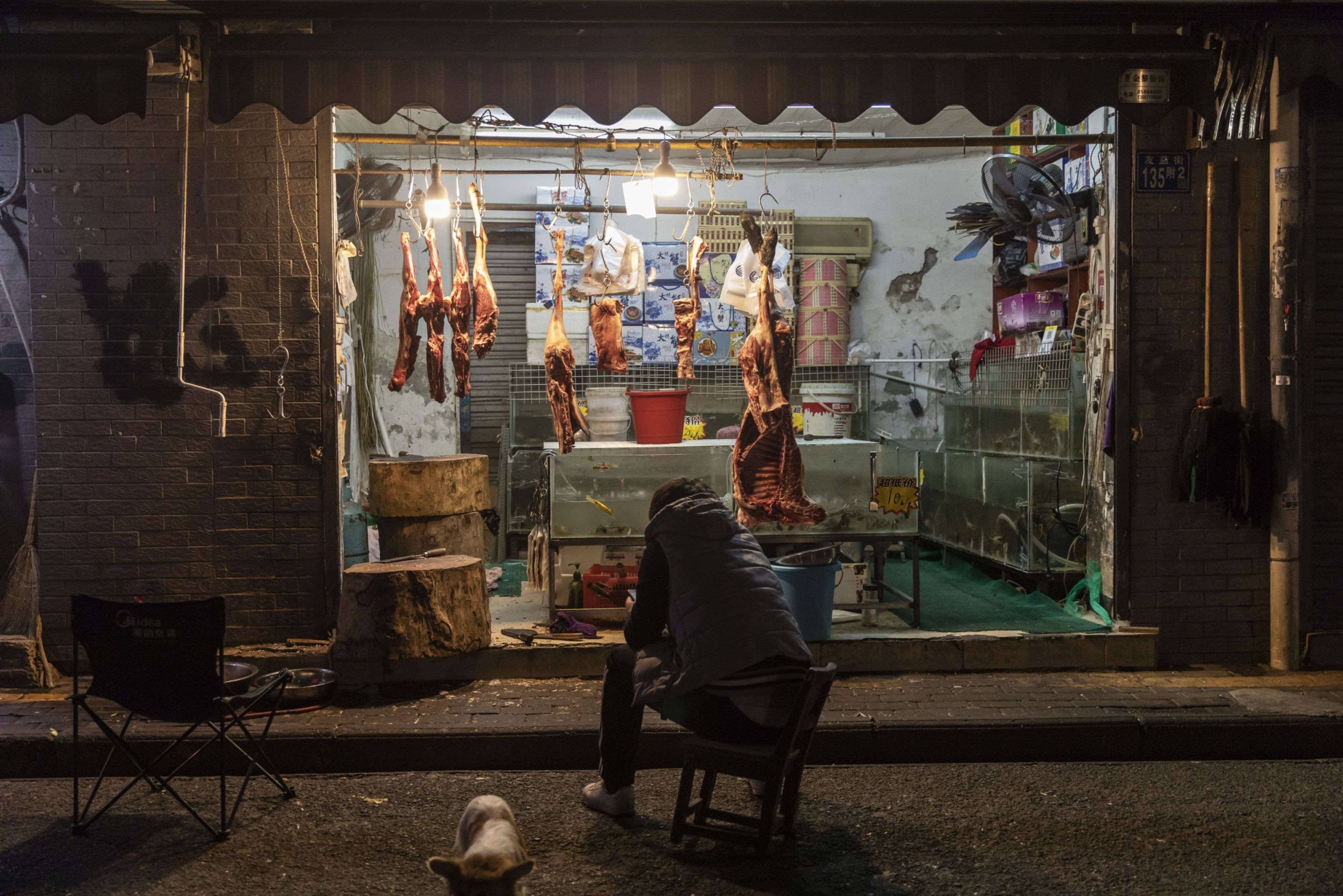
The coronavirus apparently originated in December 2019 in a Wuhan wet market. Suppose WTO members immediately had banned all Chinese food exports and travelers. The jurisprudential record under GATT and the SPS Agreement shows it would not have been easy for them, as respondent importers, to defend successfully a complaint by the exporter – China. Often in Article XX cases, even if the respondent can show its import barrier is “necessary,” it can't prove that barrier is non-discriminatory, nor the least-trade restrictive alternative. Similarly, cases involving import bans on, for example, hormone-treated beef and poultry have flunked SPS Agreement science tests.
Cure:
Recalibrate how GATT and the SPS Agreement are interpreted.
Fretting too much about domestic protectionism amidst a cross-border public health emergency tilts the rules absurdly in favor of free trade. WTO members need enhanced policy space. For instance, Side Letters and Mutual Recognition Agreements might immunise them from lawsuits if they need to derogate from GATT-WTO rules and case law strictures, to fashion pre-emptive, even anticipatory, self-defense measures.
2. Subsidies
Coronavirus Threat:
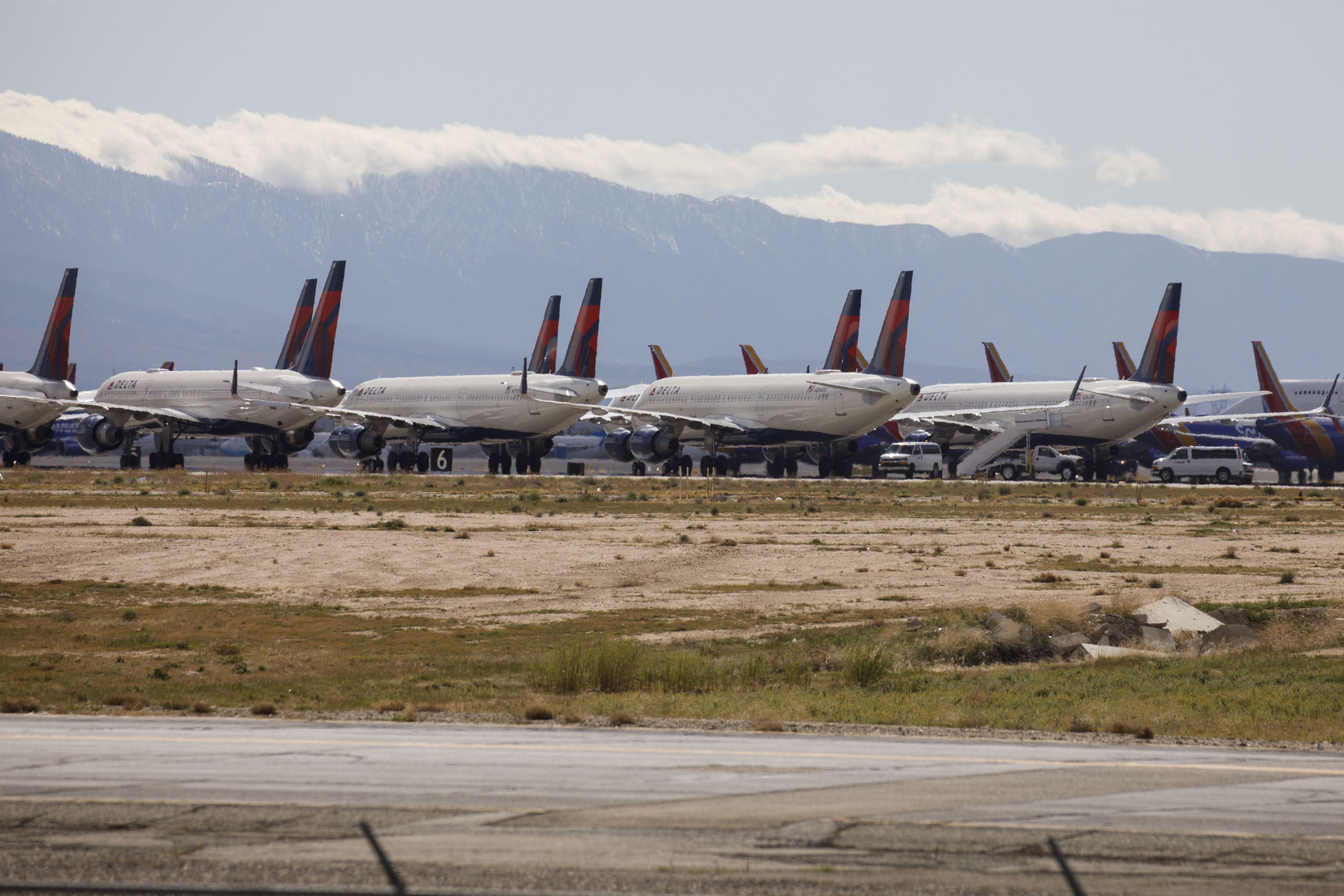
The United States has agreed on a $58 billion bailout consisting of cash grants, collateralised loans, and loan guarantees for commercial airlines and cargo carriers. Other countries may toss lifelines to their airlines too, which are even weaker than their American competitors, because – as in Europe – the markets are smaller and there are more suppliers. An additional $17 billion is earmarked for “businesses critical to maintaining national security.”
However, enterprise- and industry-specific support is illegal under the WTO Agreement on Subsidies and Countervailing Measures.
Unwisely, the WTO did not renew the 1994 Uruguay Round's provision—the so-called ‘Dark Amber' subsidy category—for “the development of long-term solutions... to avoid acute social problems.” It lapsed on Dec. 31, 1999. So, a bailout to an enterprise or industry bed-ridden in economic intensive care thanks to a coronavirus-caused plunge in consumer demand can be attacked more easily. The subsidising respondent member must show its subsidy isn't hurting the complainant.
Equally unwisely, the WTO failed to renew ‘Green Light' immunity to subsidies for research and development up to a commercial prototype.
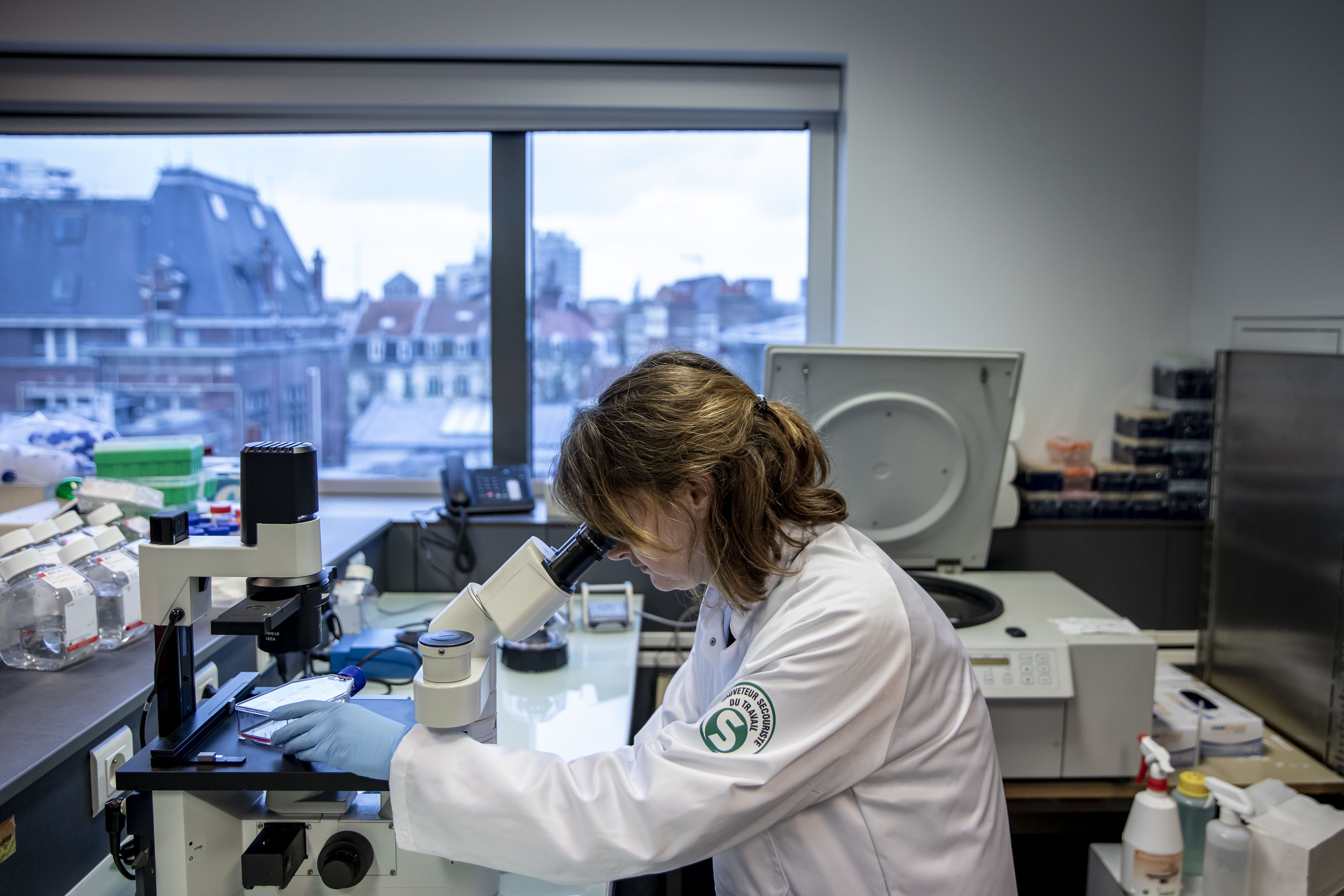
Private companies worldwide are racing for vaccines and cures to Covid-19. Alas, if governments choose to pay their research and development expenses, then a WTO lawsuit may follow.
Cure:
Resurrect those ‘Dark Amber' and ‘Green Light' categories.
Subsidies would take the pressure off of WTO members seeking to avoid economic depression-size dislocations from bankruptcies of certain enterprises or industries. Lord knows what the world needs now is a coronavirus vaccine and a cure, so subsidising R&D, even commercial production, would be money well spent.
3. Export Restraints
Coronavirus Threat:
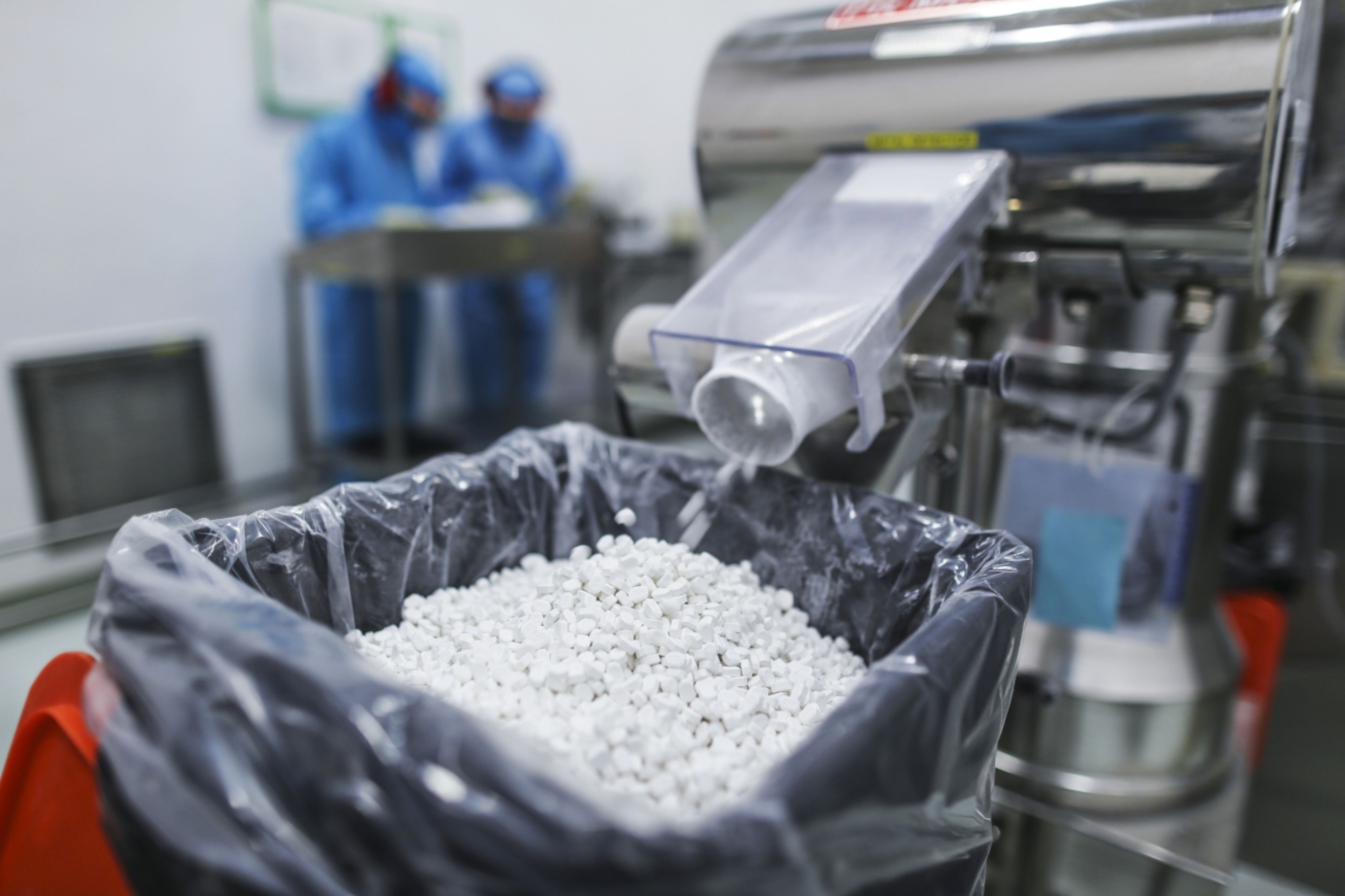
Eighty percent! That's the percentage of active pharmaceutical ingredients needed in America's medicines that come from China or India. That's also the percentage of APIs India's pharma sector gets from China to make drugs. So, on March 3, to protect its local supply, India banned exports of APIs. The supply-demand imbalance is manifest in an array of anti-coronavirus merchandise, from sanitised wipes to surgeon's masks. Indeed, 10 days later Indonesia banned exports of face masks. And, on March 24, 2020, President Donald Trump invoked the 1950 Defense Production Act for the government to, if needed, override private-sector contracts to accelerate production and direct the use of 60,000 coronavirus test kits. The President decided that wasn't necessary, but on March 27, he reversed course. He used the DPA to compel General Motors to manufacture ventilators.
General Motors MUST immediately open their stupidly abandoned Lordstown plant in Ohio, or some other plant, and START MAKING VENTILATORS, NOW!!!!!! FORD, GET GOING ON VENTILATORS, FAST!!!!!! @GeneralMotors @Ford
March 27, 2020The Indian and American moves were understandable. The U.S.-China Trade War raised temperatures about outsourcing generally. Covid-19 has India and the U.S. feverish about outsourcing medicines and medical devices.However, details matter. Export restrictions expose an exporting country to lawsuits for restricting trade, perhaps in a discriminatory way, in violation of GATT-WTO or FTA commitments. Importing countries with neither alternative supplies nor domestic manufacturing capacity need those exports.
To be sure, quantitative restrictions on exports are defensible under GATT. But, quantitative restrictions must be “temporarily applied to prevent or relieve critical shortages of foodstuffs or other products essential” to the exporting member. Coronavirus-fighting merchandise are “other essential products,” but as China found in 2012, a decade is not “temporary,” and the depletion of raw material over 16 years was not “critical.”
A public health emergency might give color to arguments that years of quantitative restrictions are needed to erect a domestic supply chain of essentialities.A more daring defense is to invoke national security. But, trying this argument would trigger a debate, not only about jurisdiction on whether the WTO should be allowed to judge a member's invocation of this provision, but also about scope of ‘national security' – originally conceived for atomic weaponry and arms trade, does it cover disease?
Cure:
Re-examine trade rules on export bans.
Interests of import-dependent countries cannot be gainsaid, but exporting countries need elasticity in defining “temporary” and “essentiality” to flatten the curve of an outbreak – however long that takes. Pandemics ought to qualify as a national security threat. All countries should collaborate on a list of critical medications and devices, and build capacious supply chains for them that serve the common good.
4. Services Trade
Coronavirus Problem:
Services are traded in one of four ways:
- A supplier and consumer stay at home and the service is provided through the internet (e.g., telemedicine);
- The consumer travels to the supplier for the service (e.g., medical tourists at Apollo Hospitals Bangalore);
- The supplier invests directly in the jurisdiction of the consumers (e.g., Pizza Hut in Delhi); and
- Professionals from the supplier temporarily migrate to the jurisdiction of the consumers to work (e.g., yours truly teaches at Government Law College Mumbai).
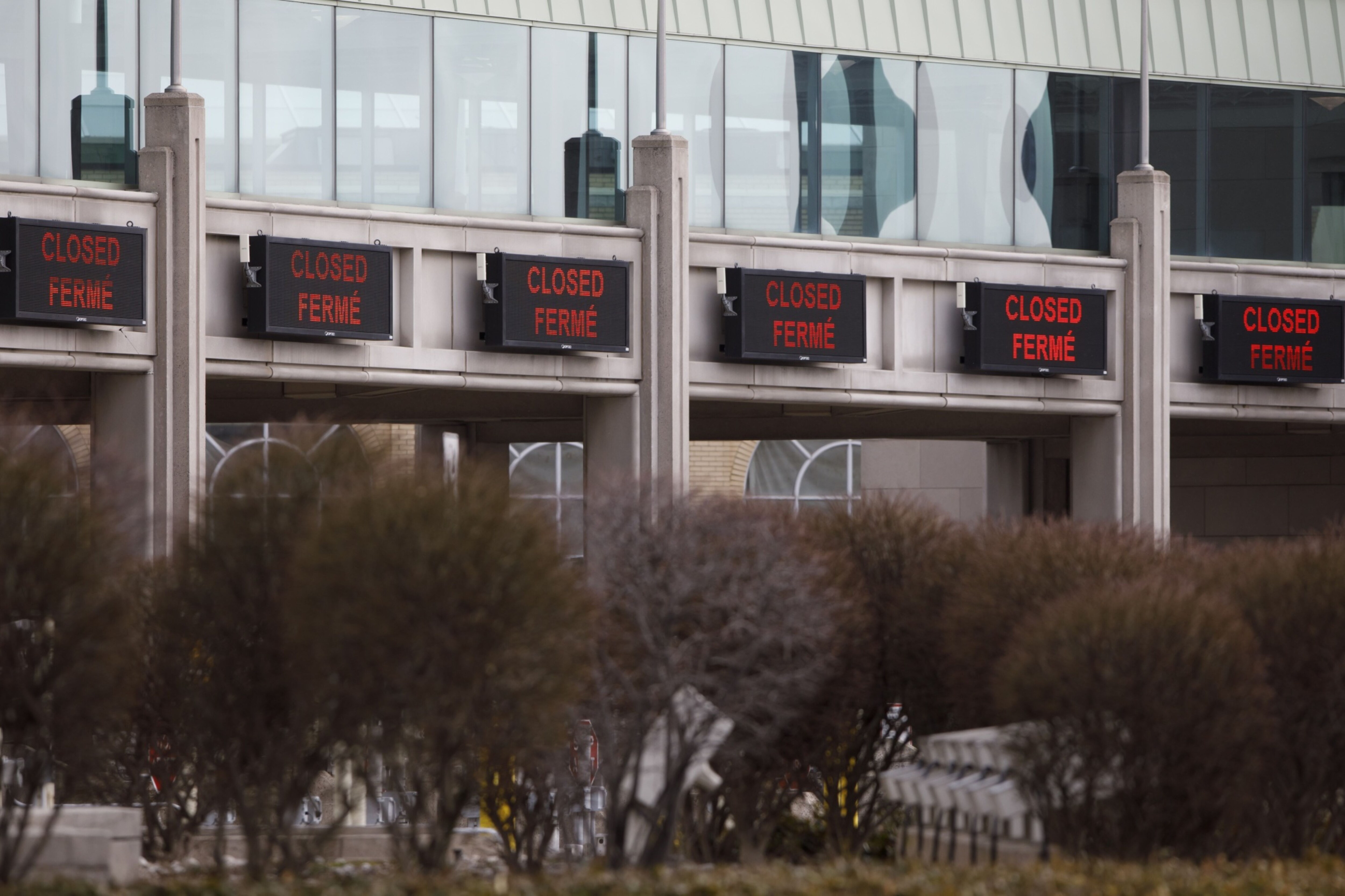
With travel bans and border closures, Mode 1 matters more, whereas Modes 2, 3, and 4 are under pressure.
Depending on their previously-agreed market access and national treatment concessions under the WTO General Agreement on Trade in Services and FTAs, some countries may wonder if they are too protectionist on Mode 1 – should they roll out the red carpet to foreigners via the internet? Conversely, were they too free on Modes 2-4 – should they rolled up that carpet to in-person delivery?
Cure:
Negotiate expanded trade rules on Mode 1 and re-examine justifications to restrict the three other modes.
To liberalise on Mode 1, countries shall have to reach an agreement on digital services taxes and level playing field rules for all e-commerce players. To allow restrictions on Modes 2-4, they'll need a stronger inoculation than GATS and FTAs currently provide for breaking prior promises.
Short- And Long-Term Prognoses
The short-term prognosis is grim for sealing trade deals by year-end 2020. No WTO plurilaterals. No FTAs. No RCEP.
The long-term prognosis is a shift in the default position of trade negotiators from “how can I open a foreign market for my exports?” to “how can I protect my home market from public health threats posed by imports and supply chains, especially ones that might compromise my national security?”
So, the best way for free traders to get off ventilators is to breathe less about comparative advantage and more about sovereignty to move adroitly against pandemics. The world might then be fitter in a Healthy Trade Paradigm.
Raj Bhala is the inaugural Brenneisen Distinguished Professor, The University of Kansas, School of Law, and Senior Advisor to Dentons U.S. LLP. The views expressed here are his and do not necessarily represent the views of the State of Kansas or University, or Dentons or any of its clients, and do not constitute legal advice.
The views expressed here are those of the author, and do not necessarily represent the views of BloombergQuint or its editorial team.
Essential Business Intelligence, Continuous LIVE TV, Sharp Market Insights, Practical Personal Finance Advice and Latest Stories — On NDTV Profit.