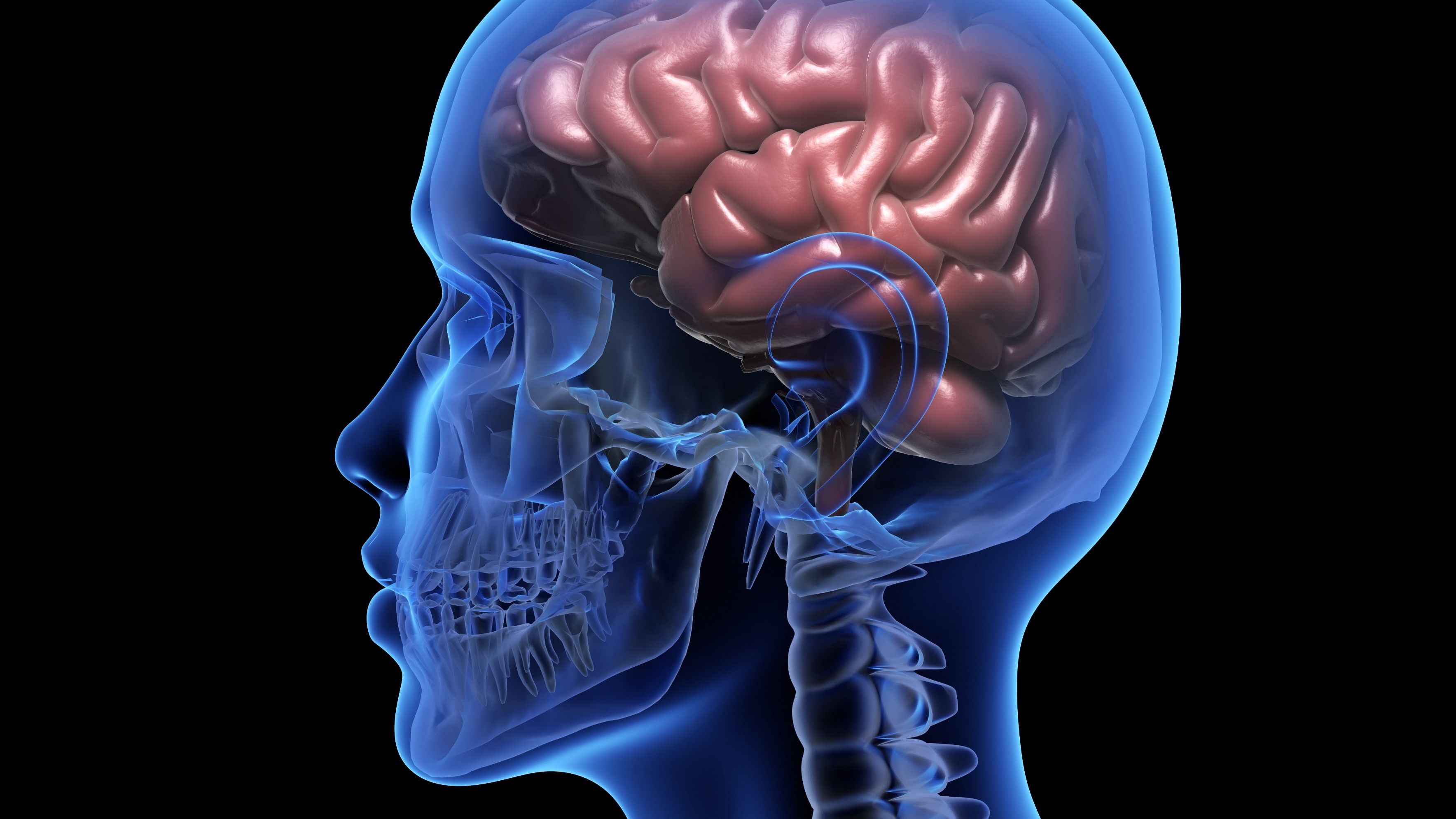
Six in ten Indians are at a higher risk of developing Alzheimer's disease due to lack of sleep interfering with the 'natural cleaning process' that takes place during that period. Lack of consistently healthy sleep patterns may lead to an increase in the risk of Alzheimer's, according to a news report by Scientific American, which covered the work of neuroscientist Laura Lewis.
Lewis proved that human brains go through a process of 'cleansing of built up waste' generated by it during the day, which consists of excess proteins. Amyloid Beta and Tau, proteins that primarily cause Alzheimer's are also among them.
Through human test subjects, Lewis was able to prove that cerebrospinal fluid circulates through the human brain during uninterrupted rapid eye movement sleep, leading to a cleansing of the brain.
The body is designed in such a way that blood is not allowed to come into contact with the brain tissue to protect it from infections, hence CSF fluid takes its place, literally "washing" the brain as we sleep.
According to a report from Local Circles, cited by the New Indian Express, upto 59% of Indians sleep less than six hours a day and that only half of them were able to remedy that during the weekends. Upto 72% cited, poor schedules, external sounds, mosquitoes and having to get up to use the restroom as reasons for sleep loss.
How to ensure 'brains are washed' enough?
Lewis explained that "making up for lost sleep" did not immediately cleanse the brain as test subjects who were subjected to 24 hours without sleeping still faced slower clearance of toxins compared those that slept well.
Sleep medication may also not be as effective as assumed and may possibly impede the brain's waste removal cycle as examined in a study cited by Smithsonian Magazine where mice where injected with Zolpidem, more commonly known as Ambien and noticed that fluid transport in the brain decreased by 30%.
This is not conclusive and the researchers do not condone stopping sleep medication in humans but the neuroscientist concluded that some of these fundamental mechanisms may apply to human beings as well.
Essential Business Intelligence, Continuous LIVE TV, Sharp Market Insights, Practical Personal Finance Advice and Latest Stories — On NDTV Profit.