- Nearly half of packaged foods on India's quick commerce platforms are classified as junk food
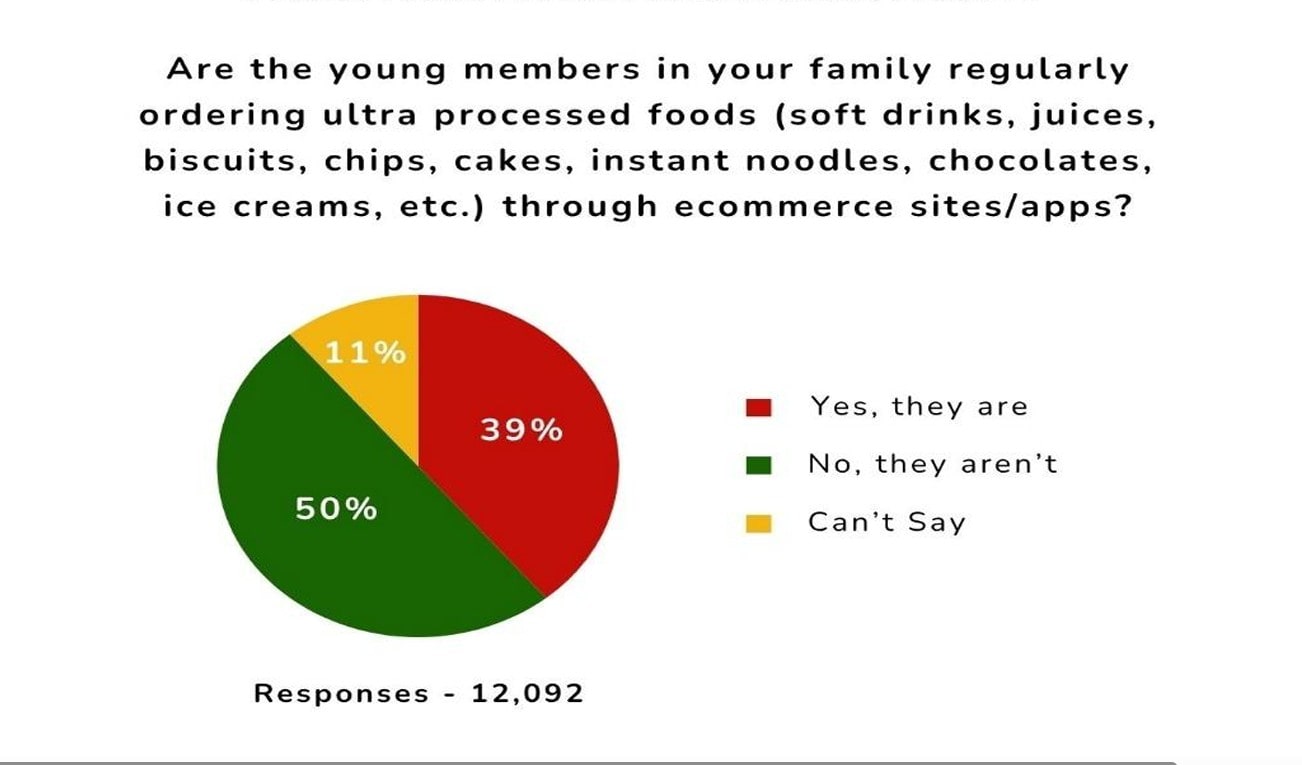
- LocalCircles survey found 39% of households report young members regularly ordering ultra-processed foods
- Food Safety Authority of India has yet to enforce mandatory front-of-pack red labeling for unhealthy foods
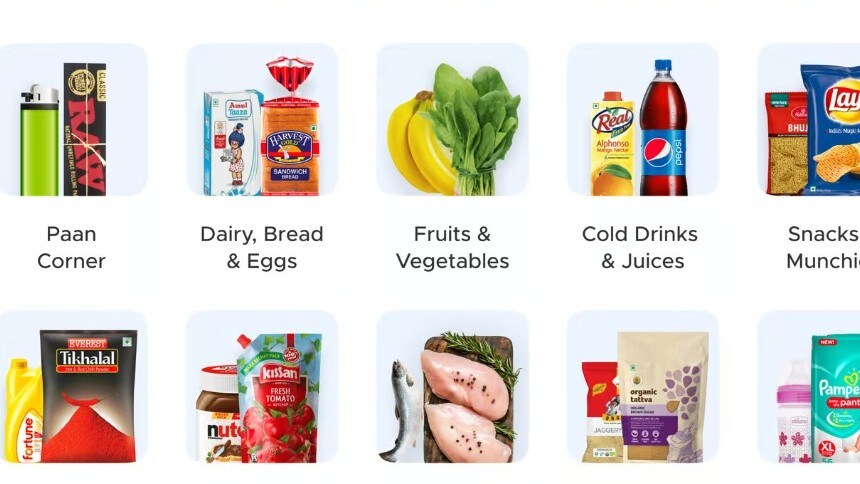
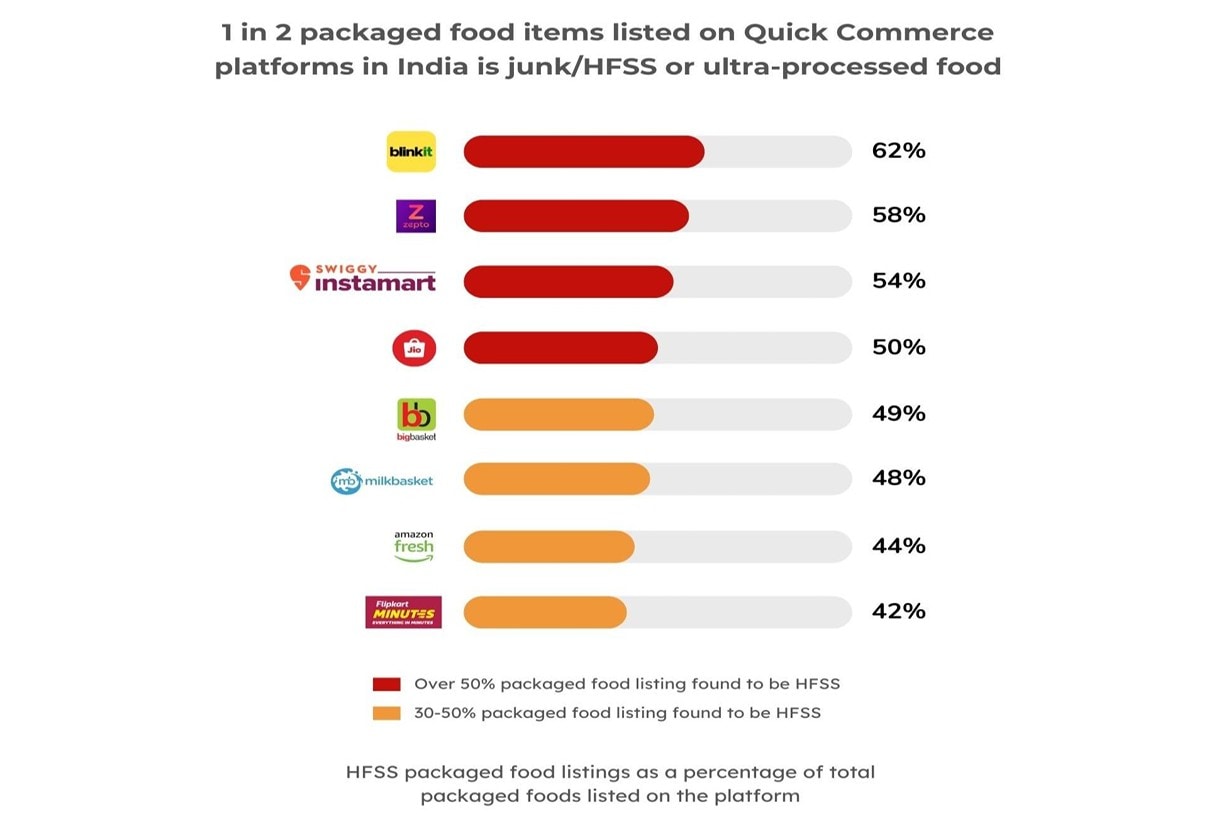
A recent survey has revealed a startling trend: nearly half of all packaged food items listed on quick commerce platforms in India fall under the category of junk food.
The study by LocalCircles, which analysed major platforms such as Amazon Fresh, Flipkart Minutes, Big Basket, JioMart, Zepto, Blinkit, Swiggy Instamart, and Milk Basket, revealed the growing prevalence of ultra-processed foods and foods high in fat, sugar, and salt in the Indian market.
The findings come amid rising health concerns and policy debates. Earlier this year, the Indian Council for Medical Research and the National Institute of Nutrition issued updated Dietary Guidelines for Indians, warning against the consumption of UPFs.
These foods, often high in fat and low in fiber and micronutrients, are linked to obesity, diabetes, heart disease, and even accelerated ageing. The guidelines also noted that UPFs are widely consumed due to their taste, affordability, and easy availability even in remote areas.
Despite these warnings, the Food Safety and Standards Authority of India has struggled to regulate UPFs effectively. While the regulator defines HFSS products based on sugar, fat, and sodium content, it has yet to implement measures such as mandatory front-of-pack red labeling to alert consumers about unhealthy products. This delay persists even as the Economic Survey flagged that 56.4% of India's disease burden stems from unhealthy diets.
The LocalCircles survey, which gathered over 24,000 responses from parents across 277 districts, found that 39% of households reported young family members regularly ordering ultra-processed foods online. These include soft drinks, chips, chocolates, instant noodles, and ice creams. Parents expressed growing concern over the ease with which Gen Z accesses such products through quick commerce platforms, often prioritising taste over health.
Experts are calling for urgent policy interventions, including higher taxes on UPF and HFSS products, to discourage consumption. The World Health Organization and the Indian Council for Research on International Economic Relations have noted that sales of these items, which dipped during the pandemic, have rebounded sharply a "V-shaped" recovery.
Regular consumption of ultra-processed or HFSS foods significantly increases risks of obesity, diabetes, heart disease, and other health issues. With Gen Z increasingly ordering such items via eCommerce and quick commerce platforms, a LocalCircles survey highlights the need for clear identification of these foods online.
Currently, nearly half of packaged foods on these platforms are HFSS, yet they are not labelled differently.
With nearly half of packaged foods on quick commerce platforms classified as junk, the challenge for regulators and health advocates is clear that India needs stronger labelling norms and consumer education to curb this growing health crisis.
With nearly half of packaged foods on quick commerce platforms classified as junk, the challenge for regulators and health advocates is clear that India needs stronger labelling norms and consumer education to curb this growing health crisis.
Essential Business Intelligence, Continuous LIVE TV, Sharp Market Insights, Practical Personal Finance Advice and Latest Stories — On NDTV Profit.