Debt is often viewed as the safe harbour in an investor's portfolio - predictable returns, lower volatility, and capital protection. But that perception can be misleading. From interest rate swings to credit downgrades, fixed income carries risks that many retail investors either underestimate or do not fully understand.
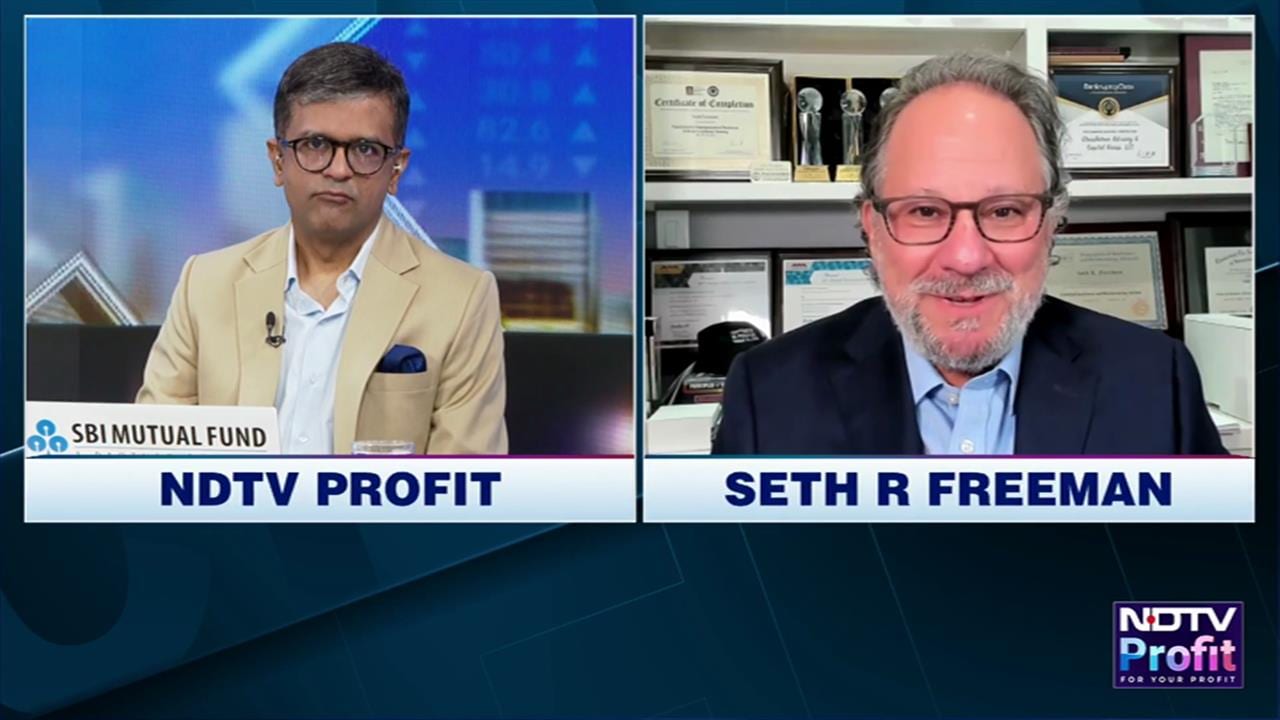
In a detailed conversation, Mohit Gang, Co-founder and CEO of Moneyfront, breaks down how debt markets really function - why bond prices move when rates change, how higher yields signal higher risk, and where debt should realistically fit in a portfolio.
Gang described interest rates as the "starting point of everything," influencing equities, commodities and broader macro cycles. When rates fall - as in a loose monetary policy environment - borrowing becomes cheaper, growth accelerates and liquidity improves. But inflation tends to follow. When inflation rises beyond comfort levels, central banks tighten policy, raising rates to cool the economy.
Also Read | Layoffs Are Rising In Tech, But These Skills Are Helping People Unlock Better Pay
That push-and-pull between growth and inflation is the primary driver of debt markets.
Three Ways to Make Money in Debt
Gang outlined three broad strategies in fixed income: accrual, credit and duration. Accrual is the simplest - earning a fixed coupon, such as through bank fixed deposits or high-quality bonds. Returns are predictable, provided the issuer remains sound.
Credit strategy involves lending to lower-rated companies for higher yields. The trade-off is clear: the higher the return, the higher the risk of default. Gang warned that investors chasing 12-14% yields in lower-rated bonds may underestimate the binary nature of credit risk. "Debt is either in or out," he said, pointing to past defaults where bondholders lost significant capital.
Duration strategy focuses on interest rate movements. Bond prices move inversely to rates - when rates fall, existing higher-yield bonds gain in value; when rates rise, prices decline. Longer-duration bonds amplify these gains or losses.
Understanding the Risks
Three key risks define debt investing: interest rate risk (duration), credit risk (default or downgrade), and reinvestment risk (falling rates reducing future returns).
ALSO READ: Cashback Or Rewards Points: Which Credit Card Benefit Is Better For Savings?
Gang cautioned that anything offering returns significantly above the 10-year government bond yield - considered the risk-free benchmark - carries embedded risk. "If you want equity-like returns, better go to equity," he said, stressing liquidity as another differentiator. Unlike stocks, bonds - especially lower-rated ones - may not find buyers during stress.
The Role of Debt in a Portfolio
Despite the risks, debt plays a crucial stabilising role. It provides income, preserves capital, and supports short-term goals. Gang likened it to the steady middle-order batter in a cricket team - not flashy, but dependable.
He suggested a "barbell strategy": anchor portfolios with short-duration, high-quality instruments for stability, while selectively allocating to credit or duration strategies depending on the rate environment.
Taxation also influences choices. Interest from fixed deposits and most debt funds is taxed at slab rates, while certain zero-coupon bonds may qualify for capital gains treatment after a year.
Essential Business Intelligence, Sharp Market Insights, Practical Personal Finance Advice, Daily Fuel, Gold and Silver Prices and Latest Stories — On NDTV Profit.