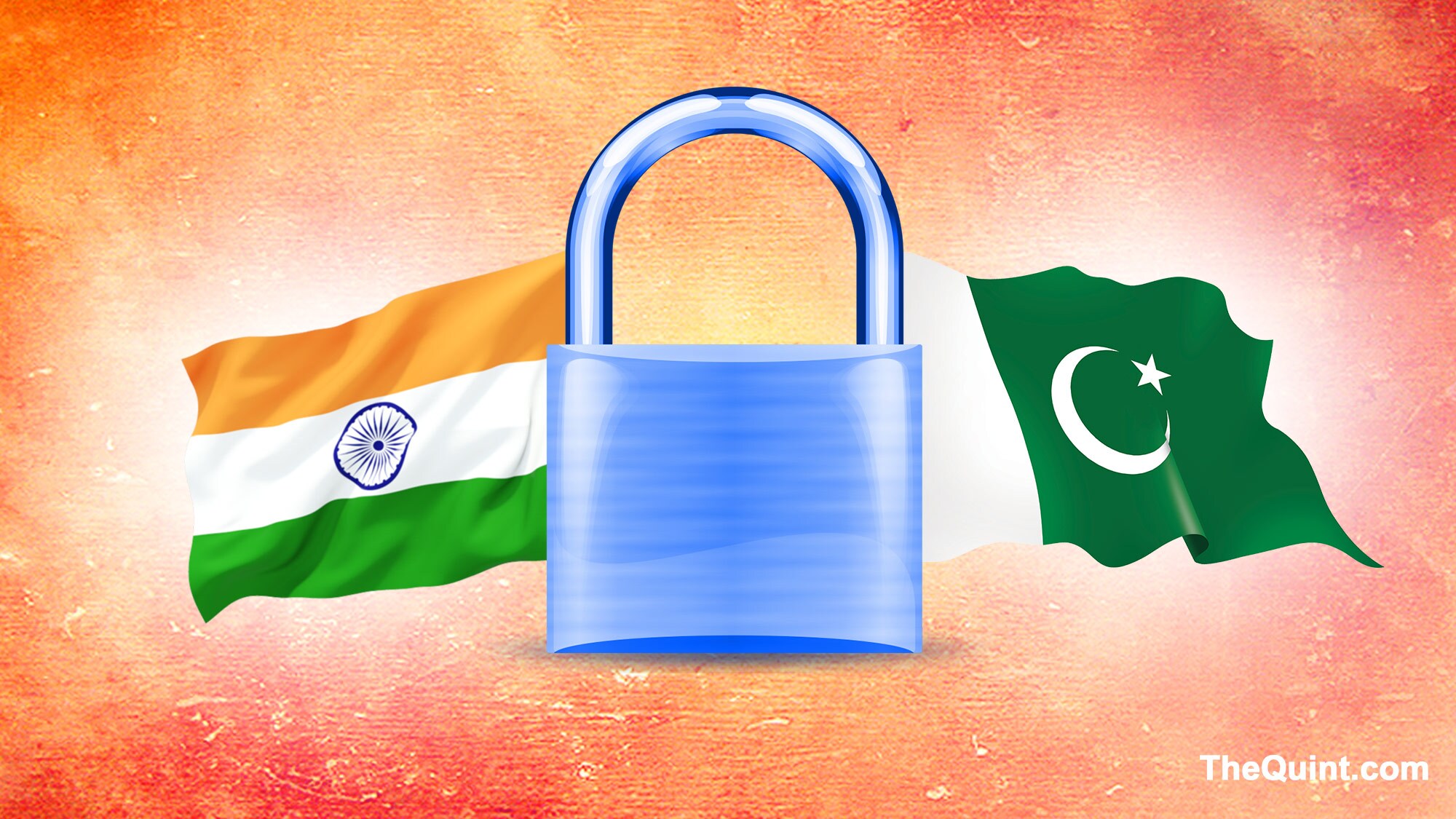
Inthe wake of the Uri assault that took the lives of 18 Indian jawans, Indiancommentators have been in understandable outrage, suggesting various ratherdramatic courses of action against Pakistan — ranging from “surgical strikes”against terrorist training camps in PoK or even at Muridke near Lahore, to theabrogation of the Indus Waters Treaty to bring the Pakistani economy to itsknees.
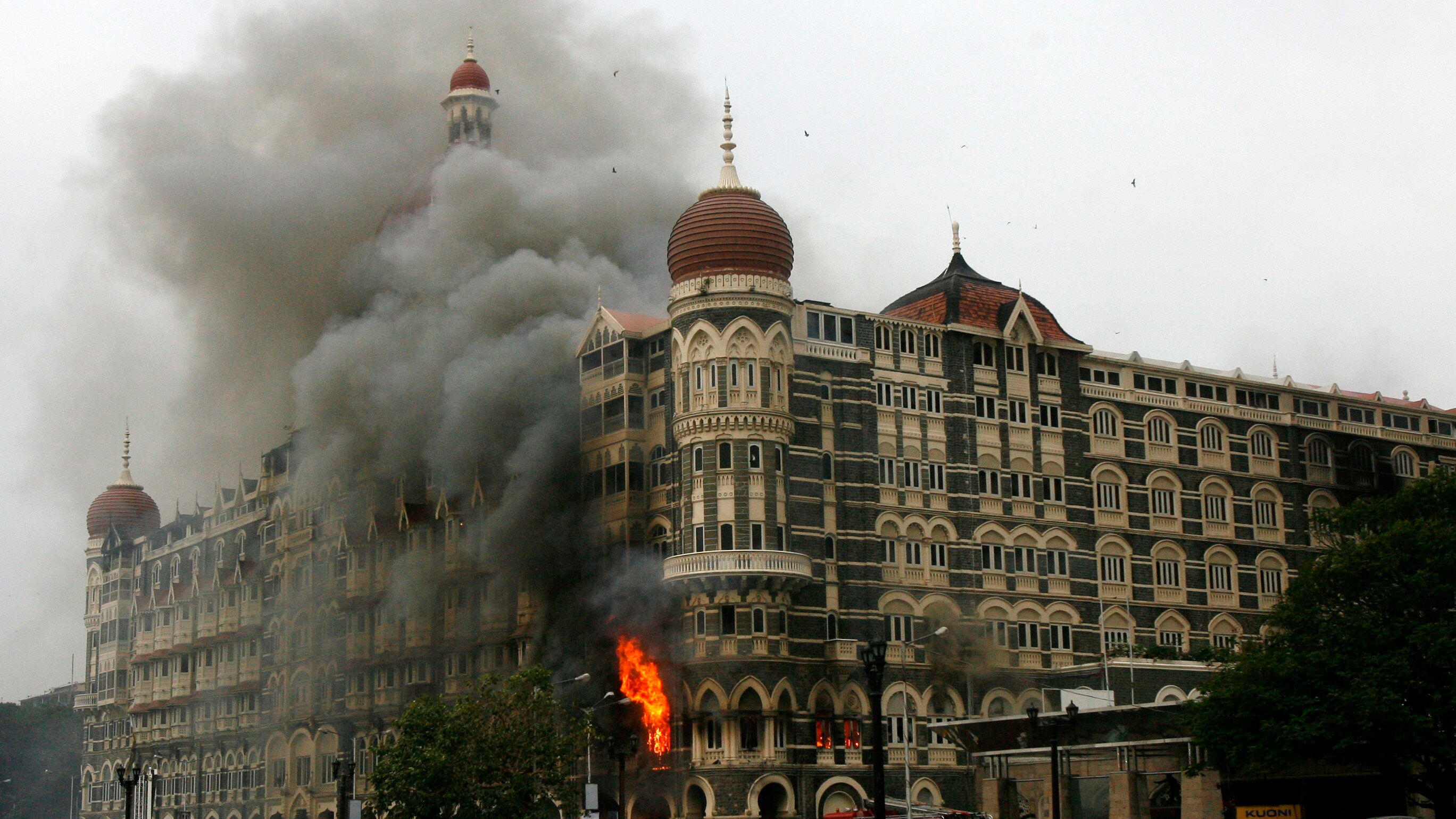
Yet, the unpalatable truth is this: India has a number of options — diplomatic, economic and military — but most of the feasible ones have beentried before, notably in the aftermath of the major terrorist attack on 26 November 2008 in Mumbai.
The ones that have not been tried — notably reprisalson terrorist bases in Pakistan —are fraught with major risks, notably ofescalation, with unpredictable consequences. There are few realistic andeffective options for retaliation left.
Yet, doing nothing is clearly not anoption. The idea that malign men in Pakistan can, with impunity, strike Indiantargets at will every few months, exchanging the lives of a few terrorist dupesfor the sadistic pleasure of sneering, as India helplessly flails around inseething impotence at its inability to strike back, is galling to most Indians — above all to the hyper-nationalist government of Prime Minister Narendra Modi,which had campaigned on a rhetoric of robust response to Pakistani provocation.
Clearly, India must find a way of raising the costs of such behaviour for Pakistan, in the hope of discouraging Islamabad from doing it again.
Also Read: 10 Things Modi Said in His First Speech Post Uri
Isolating Pakistan Globally Would be Difficult
Inhis speech at the BJP conclave in Kozhikode last night, the PM threatened toisolate Pakistan in the world as a state that exports terror. This is preciselywhat New Delhi did when the killers from Pakistan took 166 lives in Mumbai on 26/11eight years ago, though the isolation (and accompanying diplomatic pressure onIslamabad) inevitably wore off after a few years.
Pakistan is manifestlyunwilling or unable to control the terrorism emanating from its own territory,and so it is relatively easy to point fingers at it.
But ‘isolation' is abigger challenge for New Delhi this time: Firstly, because Uri involved fewervictims than Mumbai; secondly, because they were soldiers, not civilians as in26/11; and thirdly, because various countries have bilateral reasons not toisolate Pakistan.
The US needs Pakistan because of Afghanistan, and China hasmajor strategic interests there, especially a $46 billion economic corridorthat is China's single biggest overseas development project. As long as majorpowers choose to stay engaged with Pakistan, overlooking its misbehaviour,diplomatic isolation will have its limitations as a policy.
Respondingto Pakistan Post Uri
- DespiteModi hinting at further isolating Pakistan, policy of isolation will have itsown ramifications.
- Aslong as China continues to invest in Pakistan with economic interests in mind,global isolation would be difficult.
- Surgicalstrikes not a feasible option either as one should be prepared to contain thefallout of retaliation.
- Scrappingthe Indus Waters Treaty fraught with risk as India will lose moral authority ofputting pressure on Pakistan.
- Lackadaisicalapproach of the defence ministry evident with no action being taken on thereport submitted after the Pathankot attack.
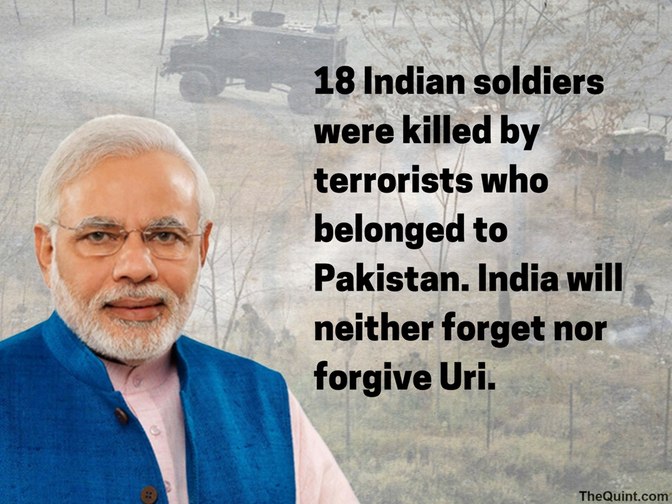
Surgical Strikes Not a Feasible Option
‘Surgical' airstrikes seem superficially attractive, not least because,in Eliot Cohen's marvellous formulation, they are an option rather like moderncourtship — they offer the possibility of gratification without commitment. Youfly from a great height, drop a few bombs and come back home, without takingthe issue any further, leaving your victims to contemplate the smoking ruins.
But surgical strikes have a disconcerting habit of not remaining as surgical or limited as their proponents would like. All you would hit is a few tents and minor targets, which can easily be rebuilt. But what do you do if one of your planes is shot down in the process?
What about Pakistani retaliation, which issure to be swift and perhaps disproportionate? At what point do you stop thepunishment that will inevitably provoke more reprisals? And what about theinternational opprobrium you will incur for violating the LoC or worse, breachingan international frontier?
Also Read: Exclusive: Uri Avenged As Spl Forces Cross LoC, Kill 20 Terrorists
Military Adventurism Fraught with Economic Cost
Above all, what about the ancillary risks offurther escalation? India's overriding priority is economic development, whichrequires foreign investment and a peaceful climate for economic growth. Howdoes that square with the military adventurism being advocated by our armchairgenerals? Investors, naturally, do not like to invest in war zones. Can weafford to drive away the funds without which we cannot pull our people out ofpoverty?
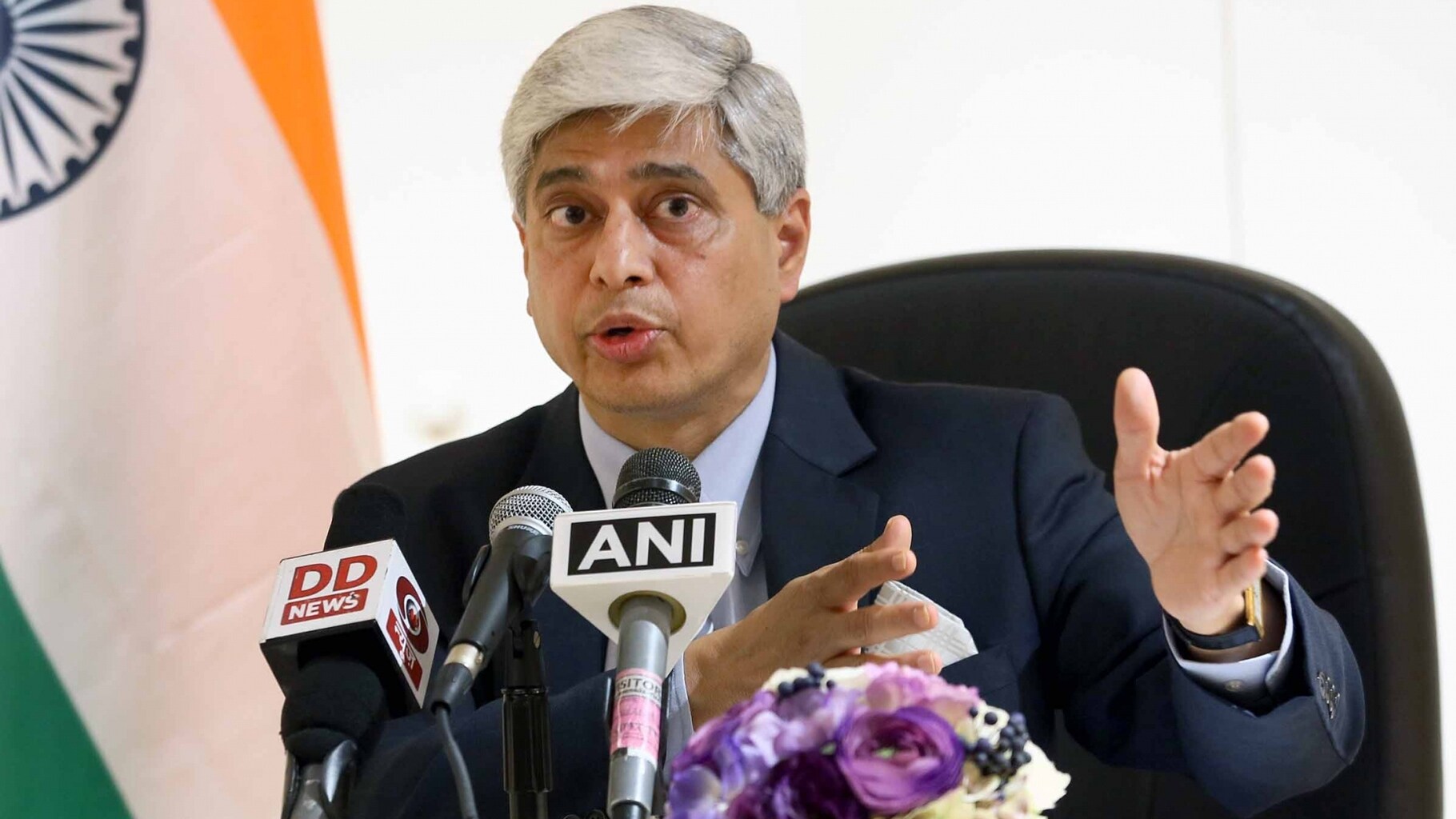
Revisiting the 1960 Indus Waters Treaty
The possibility of India revisiting the Indus Waters Treaty signed with Pakistan in 1960 has also aroused some strategists, and even MEA spokesperson Vikas Swarup, who said pointedly that “any cooperative arrangement requires goodwill and mutual trust on both sides”.
Under the treaty, India has control over three eastern rivers — Beas, Ravi and Sutlej —and Pakistan the western rivers of the Chenab and Jhelum. Swarup darkly hinted that it was in jeopardy: “For any such treaty to work, it is important there must be mutual trust and cooperation. It cannot be a one-sided affair.”
But the treaty under which the waters ofthe Indus and its five tributaries are distributed between the two countries isnot purely a bilateral affair; it was brokered by the World Bank, whoseinvolvement will be automatically triggered if India unilaterally abrogates it.
The idea that India, as the upstream country, can stop the flow of waters to 65 percent of Pakistan's geographical area, including the entire Punjab province, create droughts and famines, and bring Pakistan to its knees, overlooks the swift international condemnation that will follow the moment we even begin to initiate such an action.
Nor can it be done like turningoff a tap; various measures would be required to ensure that Indian cities do not get flooded with the water that is no longer flowing to Pakistan.
Also Read: Did MEA Hint at Rethinking Indus Waters Treaty With Pakistan?
Will Lose Moral Authority by Scrapping the Indus Treaty
And then, we would set a precedent and we would be loath to see China follow on the Brahmaputra, where it is we who are downstream. We have long been a model state in our respect for international law, and our adherence to morality in foreign policy, even offering humanitarian assistance to Pakistan after earthquakes and floods.
Starving people by cutting off their water would be profoundly unworthy of us. This is why the treaty has, as Omar Abdullah recently pointed out, survived four wars and a unanimous resolution of the Jammu and Kashmir Assembly calling for its scrapping.
Under the existing Treaty provisions, however, India is entitled to make use of the waters of the western rivers for irrigation, storage, and even for producing electricity, in a “non-consumptive” manner, through “run-of-the-river” projects that do not reduce the ultimate flow to Pakistan.
Oddly enough, we have never taken advantage of these provisions, which are exactly what the Chinese say they are doing with their frenetic dam building on the upper reaches of the Brahmaputra, upstream from India. If we were simply to do what we are allowed to under the Treaty — we are entitled to store up to 3.6 million acre feet on the western rivers — it would be a more effective signal to Pakistan than arch statements from the MEA.
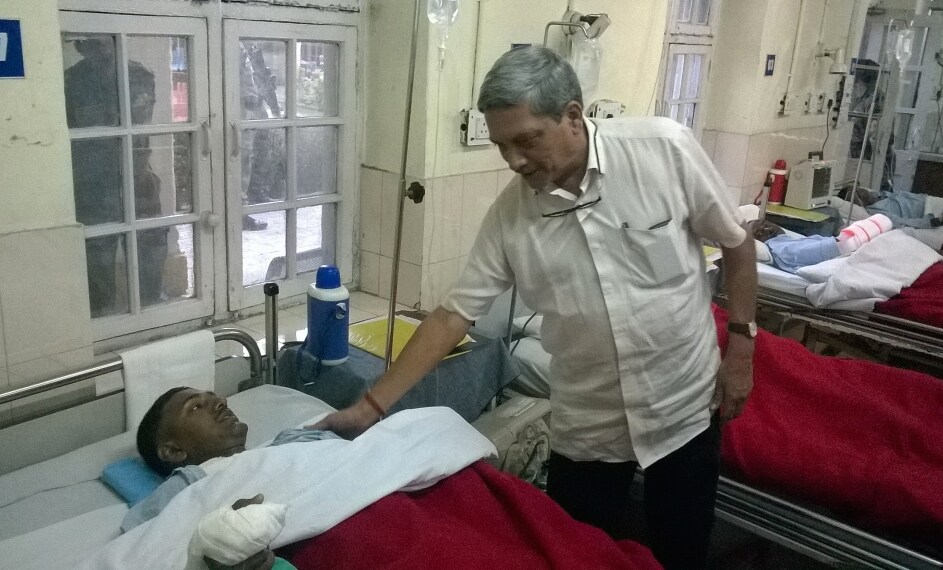 @manoharparrikar) ">
Strengthening Our Security Framework
So what can we do? Using artillery to destroy Pakistani forwardposts along the LoC, preferably the ones near Uri that must have facilitatedthe infiltration, is a low-risk option, though there will certainly be someretaliatory shelling, probably containable if we don't overreact to it.
And, there is always the fantasy depicted in the Bollywood film Phantom — thetargeted assassination of jihadist leaders by shadowy covert operatives, amidtotal deniability by India. This will make those who despatch terrorists thinktwice and even if they threaten retaliation, the strengthening of ourprotective police and intelligence capabilities is overdue, and should proceedon a priority basis.
Finally, we must demand accountability for the failure tostrengthen the perimeter security of our defence installations after thePathankot attack in January. The report of the Committee headed by former ArmyVice Chief Lt Gen Philip Campose has been lying with the Defence Ministrysince March, but no action has been taken on its recommendations. This iscriminal negligence, and heads should roll for it.
If our Defence Ministry had done its job, and if all the technology available today had been deployed to protect our bases, the fence at Uri would never have been breached and 18 Indian jawans would be alive today.
In place of all the blustery demands forbombing and scrapping of treaty, some diligent and responsible actionat home from our own government is what we need most of all.
(Former UN under-secretary-general, Shashi Tharoor is a Congress MP and an author. He can be reached at @ShashiTharoor)
Also Read:
Modi's Kozhikode Masterstroke Reflects Maturity in Pakistan Policy
The views expressed here are those of the author's and do not necessarily represent the views of BloombergQuint or its editorial team.
Essential Business Intelligence, Continuous LIVE TV, Sharp Market Insights, Practical Personal Finance Advice and Latest Stories — On NDTV Profit.