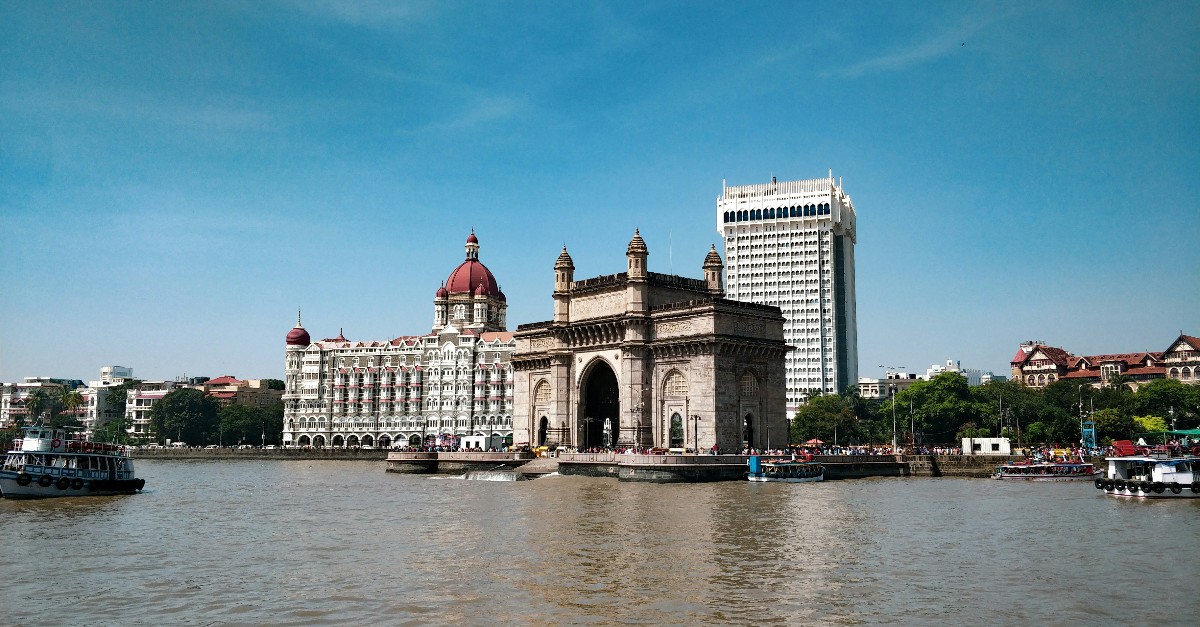
Hot and humid conditions are likely to prevail in Mumbai, Maharashtra, on Tuesday, according to the India Meteorological Department (IMD). While no major heatwave warning has been issued for the city, the weather agency has placed it under a yellow alert, indicating a heat advisory for the area.
On Wednesday, hot and humid conditions will continue in Mumbai. However, the IMD said the subsequent two days would remain dry.
In addition to Mumbai, hot and humid weather conditions will prevail in coastal districts, including Palghar, Thane, Raigad, Ratnagiri, and Sindhudurg. In an official press release, the IMD has predicted an increase in the maximum temperature by 1-2 degrees Celsius during the next four days over most parts of Maharashtra.
Subsequently, the maximum temperature will fall by 2-3 degrees Celsius, providing mild relief to people.
The IMD declares a heatwave when the maximum temperature exceeds the normal by at least 4.5 degrees Celsius.
Above-Normal Maximum Temperatures In April
In its monthly forecast, the IMD has predicted above-normal maximum temperatures most likely over most parts of Maharashtra. Only the south Madhya Maharashtra region is expected to record normal maximum temperatures during the month.
"During April 2025, above-normal maximum temperatures and above-normal minimum temperatures are likely over most parts of Maharashtra," the weather body said. It also added that the state is likely to experience an above-normal number of heatwave days during the month.
Measures To Take During Heatwave-Like Conditions
Heatwaves pose risks, especially for vulnerable groups such as the elderly, and children. Hence, they should take extra precautions against heat exhaustion and heatstroke.
Prolonged extreme heat can lead to dehydration and stress on infrastructure like power grids and transport.
Anticipatory actions are needed to mitigate risks.
National and State Disaster Management Authorities provide guidelines for action.
Heat action plans should include:
Access to cooling centers.
Heat advisories for the public.
Strategies to reduce urban heat island effects.
Essential Business Intelligence, Continuous LIVE TV, Sharp Market Insights, Practical Personal Finance Advice and Latest Stories — On NDTV Profit.