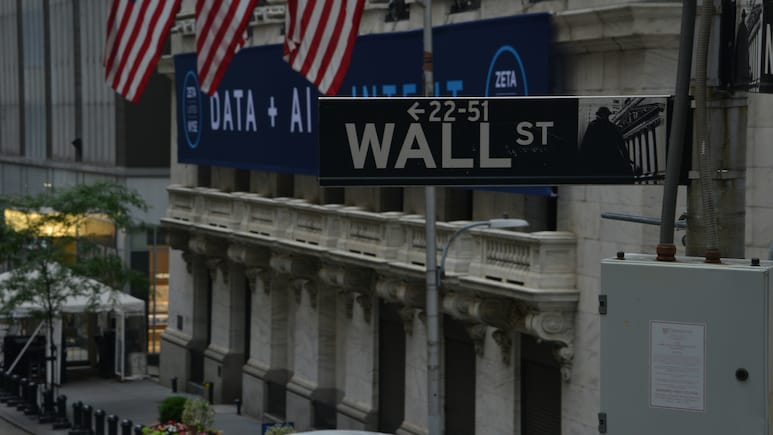
US stock futures rose on Monday, signalling a potential rebound on Wall Street after a sharp selloff in technology stocks last week. A recovery in artificial intelligence-linked shares, a pullback in crude oil prices and lower US Treasury yields supported sentiment, even as investors remained cautious about AI spending, geopolitical tensions and the Federal Reserve's interest rate outlook.
Nasdaq 100 futures advanced 1.16% in early trading, while S&P 500 futures gained 0.58%. Dow Jones Industrial Average futures rose 0.17%, or 87 points.
The recovery comes after a weak week for US equities. The S&P 500 fell nearly 2%, marking its biggest weekly decline since late June, while the Nasdaq Composite tumbled 4.5%, snapping a four-week winning streak.
Also Read | Layoffs Are Rising In Tech, But These Skills Are Helping People Unlock Better Pay
Here are the top three factors driving US stock futures higher on Monday.
AI Stocks Rally After Last Week's Selloff
Technology stocks led the recovery as investors returned to AI-linked shares following last week's sharp losses. Intel gained more than 4% in premarket trading after JPMorgan analysts upgraded their rating on the chipmaker. CoreWeave, a major provider of computing infrastructure for AI workloads, also rose 3% before the opening bell.
The gains followed a difficult week for AI-linked stocks. CoreWeave plunged more than 25%, its steepest one-week decline since November 2025, amid concerns over its debt levels.
READ | Why Has The US Issued Security Alerts Across Middle East? Flight Disruptions, Travel Risks Explained
Investor sentiment towards the broader AI trade was also unsettled after CNBC reported, citing sources, that Anthropic's third-quarter revenue stood at $16.8 billion, up from $11.6 billion in the second quarter. While revenue continued to grow, the figures prompted questions among investors about the pace of expansion and the returns from the massive investments being made in AI infrastructure.
Crude Oil Prices Retreat From Five-Month High
A pullback in crude oil prices provided another source of relief for equity markets, easing some concerns over inflation and the potential impact of higher energy costs on businesses and consumers. Brent crude traded below $109 a barrel after climbing nearly 4% on Friday. The global benchmark has surged more than 75% this year amid escalating hostilities in the Middle East and the Russia-Ukraine war, which have raised concerns about disruptions to global energy supplies.
West Texas Intermediate (WTI) crude for November delivery fell 0.15% to $101.26 a barrel. The more actively traded December contract declined 0.73% to $98.30 a barrel. November futures are set to expire on Tuesday.
The retreat followed a sharp rally fuelled by reports of attacks and security incidents around key energy export routes. A Saudi helicopter crashed near the Yemen border, Houthi rebels targeted Yanbu, a major Saudi export hub, and UK maritime operations reported that two tankers had been hit in the Persian Gulf. Ukraine also struck an oil terminal in St Petersburg, Russia, on Sunday.
US Treasury Yields Ease As Investors Assess Fed Outlook
US Treasury yields moved lower on Monday as investors weighed the inflation outlook, interest rate expectations and geopolitical developments.
The yield on the benchmark 10-year US Treasury note fell by more than 1 basis point to 5.0854%. The 30-year Treasury yield also declined by 1 basis point to 5.4242%, while the two-year yield was broadly unchanged at 4.7315%.
Investors are also assessing the Federal Reserve's next policy decision. The central bank is scheduled to meet on October 27-28, with markets weighing the latest inflation data against the possibility of further monetary tightening. Vested said markets were pricing in about a 15% probability of an interest rate hike in October, while a December hike was considered likely in market pricing.
Essential Business Intelligence, Sharp Market Insights, Practical Personal Finance Advice, Daily Fuel, Gold and Silver Prices and Latest Stories — On NDTV Profit.