- Oil prices rose after Trump threatened military action if Hezbollah attacks Israel again
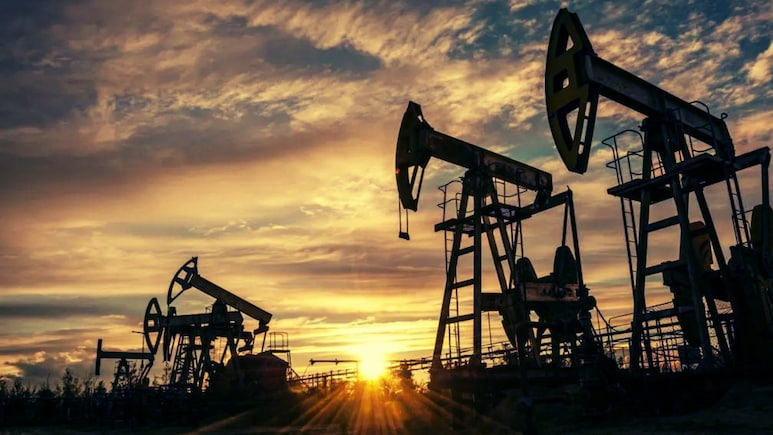
- Brent crude surpassed $82 a barrel; WTI traded above $78 amid Middle East tensions
- US-Iran talks began in Switzerland aiming to ease conflict and reopen trade routes
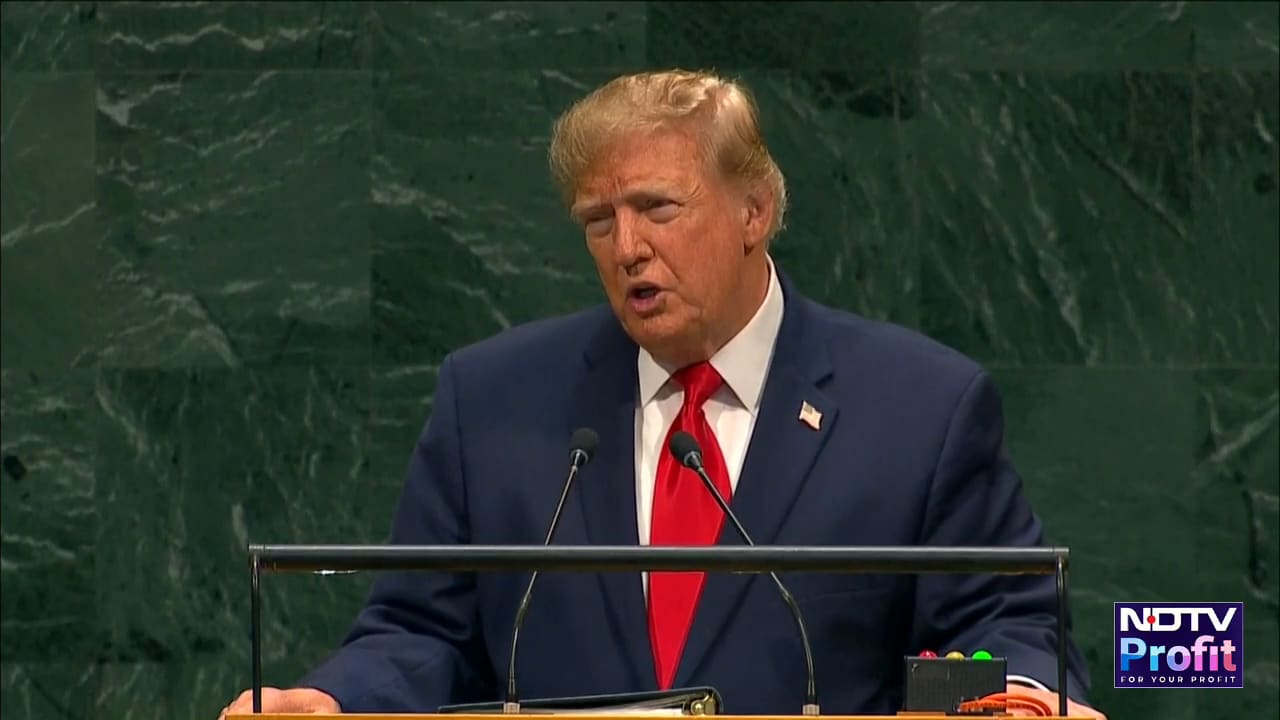
Oil prices rose on Monday after US President Donald Trump threatened military action against Iran if Hezbollah resumes attacks on Israel, injecting fresh uncertainty into peace negotiations that had raised hopes of easing tensions in the Middle East.
Brent crude is currently trading at $79 again, while WTI is trading around $75 after the first session of high level talks under the framework of the Islamabad Memorandum of Understanding concluded in Switzerland, with the participation of representatives from the Islamic Republic of Iran, the United States of America, and the two mediating parties, the State of Qatar and the Islamic Republic of Pakistan.
Brent crude had climbed as much as 2.2% to above $82 a barrel, while West Texas Intermediate traded above $78 at 6 am. The gains came despite high-level talks between US and Iranian officials beginning in Switzerland, where both sides are seeking a broader agreement aimed at de-escalating the regional conflict and reopening key trade routes.
Also Read | Layoffs Are Rising In Tech, But These Skills Are Helping People Unlock Better Pay
The negotiations got off to a shaky start after Iranian media reported that Tehran had halted discussions following Trump's warning. However, people familiar with the matter said talks continued, with discussions stretching into the early hours of Monday.
The meeting comes at the beginning of a 60-day negotiating window established after Trump signed a memorandum of understanding last week to kickstart a diplomatic process. Officials are discussing mechanisms to keep the Strait of Hormuz open and enforce a ceasefire between Israel and Hezbollah in southern Lebanon.
Trump, speaking to Fox News, said he had warned Iranian leaders against attempting to shut the strategic waterway. The Strait of Hormuz remains central to global energy markets, carrying a significant share of the world's oil and liquefied natural gas supplies.
Despite Iran's claims that it had again closed Hormuz, millions of barrels of crude continued to move through the passage over the weekend. Energy markets remain sensitive to any disruption, particularly after months of conflict that have constrained supplies from a region responsible for roughly one-third of global oil production.
At the same time, the prospect of a peace agreement could eventually unleash a wave of supply. Around 80 million barrels of crude are currently sitting on tankers in the Persian Gulf awaiting clearance to transit Hormuz. Major Gulf producers are also preparing to ramp up exports, with Kuwait withdrawing force majeure notices and Abu Dhabi National Oil Co. asking customers to resume cargo loadings.
ALSO READ: Trump Says 'Starmer Will Resign' As UK PM Amid Growing Labour Revolt
Essential Business Intelligence, Sharp Market Insights, Practical Personal Finance Advice, Daily Fuel, Gold and Silver Prices and Latest Stories — On NDTV Profit.