The major factors that the auto industry should be careful about in 2023–24 are heatwave, disruption to monsoon, higher repo rate and lower-than-estimated growth of the gross domestic product, according to Maruti Suzuki India Ltd.
Amid these potential risks, analysts said higher discounts in comparison to the same period last year, reduced waiting periods for key models and decline in sales of luxury cars indicated a slowdown in the category. They expect the growth in retail sales of passenger vehicles to moderate sharply to mid to high single digits.
Concerns of sales slowdown in the auto industry may have risen from the lower retail sales as compared with wholesales and higher inventory at dealerships, Shashank Srivastava, senior executive officer of marketing and sales at Maruti Suzuki, told BQ Prime.
The inventory at the industry level rose to 2.19 lakh units from 1.84 lakh units last month. This is the first time after a long time that inventory has risen to three-weeks, Srivastava said.
"Probably, that's making them conclude that there's a slowdown," he said. "However, actual data so far hasn't indicated that."
Challenges
Srivastava said there are, of course, basic economic fundamentals that can lead to the slowing down of auto sales. He was referring to the concerns around the lower-than-estimated GDP growth in the next fiscal and the Met office's warning of more heatwaves and the disruption in monsoon due to El Nino—warmer-than-usual waters linked with poor rainfall.
Rural sales contribute 44% of the overall sales of the largest carmaker in India. Those are highly correlated with agriculture income, which is correlated with how the monsoon performs, according to Srivastava.
He said the effect of El Nino could affect agricultural output, pushing up inflation and lowering rural incomes. "Both are actually not good for the auto industry."
The Maruti Suzuki executive also highlighted the rising interest rates as another key concern. The RBI has raised its benchmark rate by 250 basis points since May and banks have started a pass-through into auto loan retail rates as well, increasing interest rates by 180–250 bps, according to Srivastava.
One basis point is one-hundredth of a percentage point.
Retail sales are highly dependent on loans in India, with 80% of the sales coming through financing, Srivastava said.
Silver Lining
Srivastava underscored that the industry has some positive things to look forward to as well.
The budgetary provisions for infrastructure spending can have a very good effect on both demand and supply management. If the GDP does grow at the government's estimated 6.5% in the next fiscal, it will be good for the auto industry, he said.
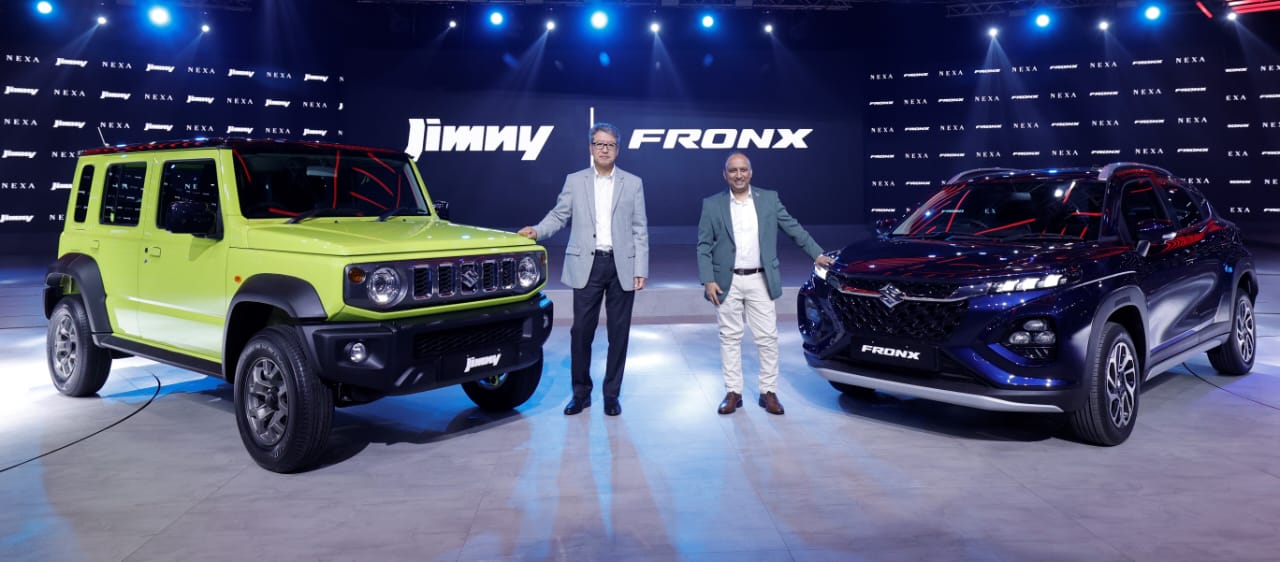
Amid this, Maruti Suzuki will look to become the top manufacturer in the sport-utility-vehicle category, where it has lagged due to limited models. Jimny and Fronx—the recent unveils in the category—have got 21,000 and 12,000 bookings, bolstering Maruti Suzuki's standing in the segment.
Watch The Full Conversation Here:
Essential Business Intelligence, Continuous LIVE TV, Sharp Market Insights, Practical Personal Finance Advice and Latest Stories — On NDTV Profit.