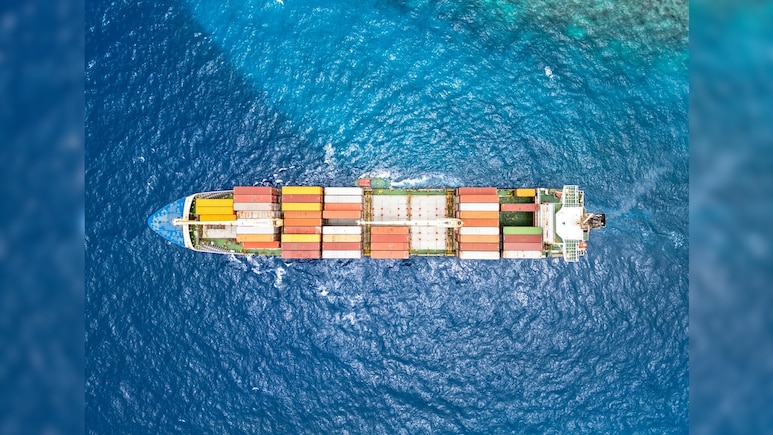
The Iran conflict has driven up tanker rates and insurance costs, widening discounts on heavy crude and giving US Gulf Coast refiners an advantage over Asian competitors, industry executives said after reporting strong third-quarter results.
Security risks around the Strait of Hormuz, a route that carried about one-fifth of global oil and liquefied natural gas supplies before the war, have disrupted shipping. Longer voyages and higher war-risk premiums have made crude imports more expensive, particularly for Asian refiners that rely on seaborne supplies, as per Reuters report.

-
 Indian Markets Turning Corner After Two Tough Years, Says Sandeep Tandon
-
 NDTV Profit Ignite 2026: Experts See Opportunity In Equities, Stay Bullish For Long-Term
-
 Buy Right, Sit Tight Does Not Work for Individual Stocks, Says Dinshaw Irani
-
 'Worst Is Behind': Quant MF Sees Market Bottom, Flags 'Extreme Euphoria' In Midcaps
-
 India's Mutual Fund Industry Could Become A $1 Trillion Opportunity, Say Fund Managers
-
 'Foreign Investors Are Baraatis': Raamdeo Agrawal's Take On LTCG Tax
-
 Stay Invested Through Market Cycles: Raamdeo Agrawal at NDTV Profit Ignite
-
 Ramesh Damani Remains Bullish On India For Next 20-30 Years, Sees Bargains Amid Market Weakness
-
 CAS Came After A Long Consultation Process: SEBI Chairman Tuhin Kanta Pandey AT NDTV PROFIT IGNITE
-
 Aim To Cut FPI Onboarding Time From Mth To Five Days: SEBI Chairman Tuhin Kanta Pandey AT NDTV PROFI
US Gulf Coast plants, by contrast, can process heavy crude sourced closer to home, including from Canada and Venezuela. More than 70% of the region's refining capacity is configured to handle heavier grades.
Also Read | Layoffs Are Rising In Tech, But These Skills Are Helping People Unlock Better Pay
As transport costs rose, discounts on Canadian crude, including Western Canadian Select (WCS), widened against the US benchmark West Texas Intermediate (WTI), lowering feedstock costs for refiners.
Also Read | Oil Prices Today: Brent Crude Near $99 Despite 13% Weekly Fall; Why Risks Remain
Freight has become the market's defining factor, Valero executive Randy Hawkins said on the company's earnings call. Shipping crude from the US Gulf Coast to Asia now costs about $30 to $35 a barrel, up from roughly $5 a year earlier.
Valero chief operating officer Gary Simmons said higher freight also strengthens the company's position in Latin American markets, where it competes with European fuel supplies.
The widening WCS-WTI gap can have a substantial financial impact. Phillips 66 executive Brian Mandell said each $1 increase in the differential is worth about $140 million to the company.
Refiners have also been cushioned by shipping contracts arranged before the conflict. Phillips 66 said more than 40 time-chartered vessels cover about 40% of its asset-based shipping needs. Several other major refiners have secured chartered fleets as well.
Also Read | OPEC+ Retains December Oil Output Target Amid Iran War Disruptions: Why 2027 Quota Matters
Executives see the supportive conditions extending into 2027. Marathon Petroleum expects record Canadian heavy-crude processing in the fourth quarter, while HF Sinclair said wider crude differentials could persist through the near term and into next year. The outlook depends on how shipping risks, freight rates and fuel margins evolve.
Essential Business Intelligence, Sharp Market Insights, Practical Personal Finance Advice, Daily Fuel, Gold and Silver Prices and Latest Stories — On NDTV Profit.