IPOs Raise Record Rs 27,000 Crore In April-September
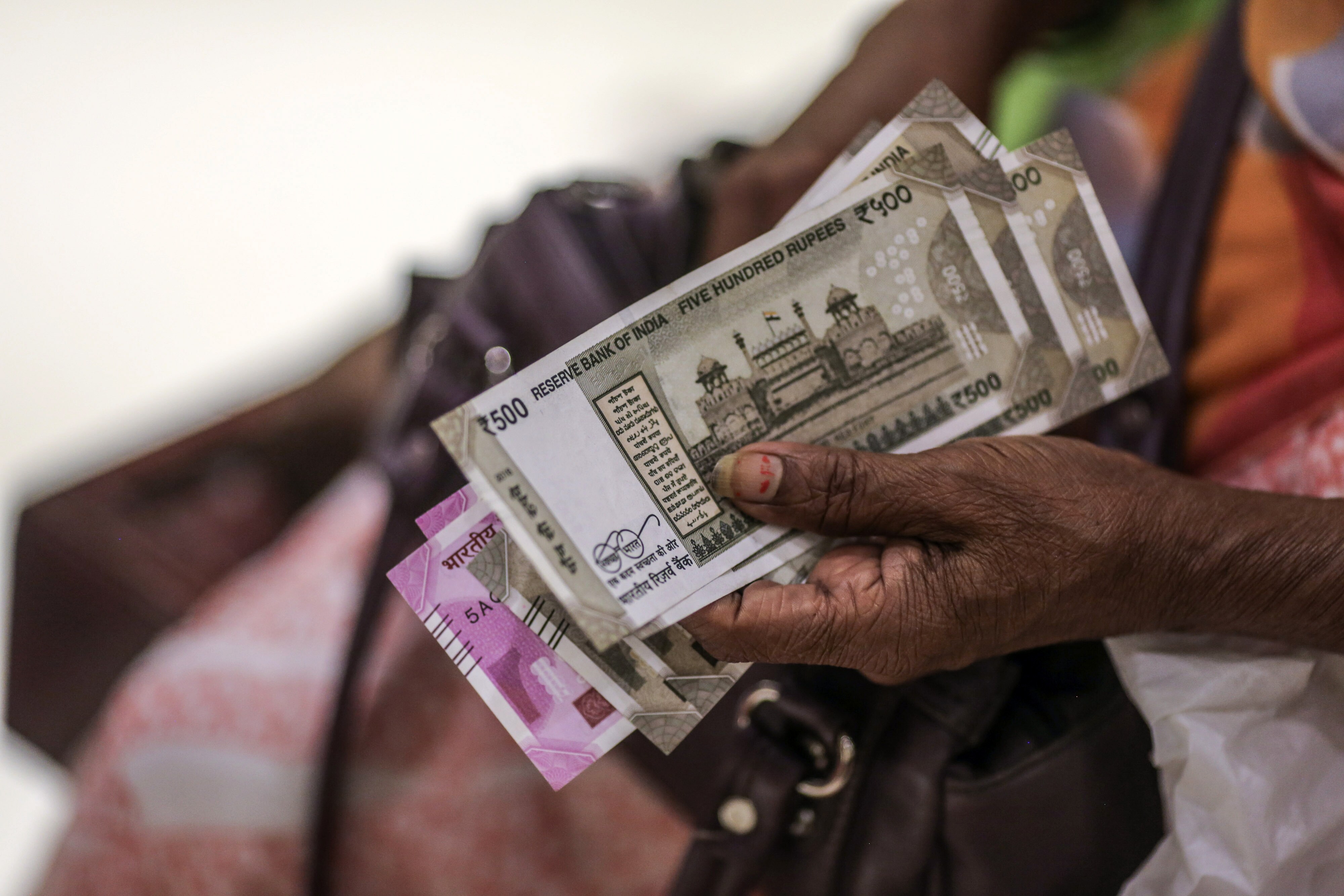
Indian companies raised close to Rs 27,000 crore, a record, through initial public offerings in the first half of this financial year and an impressive pipeline is already in place for the coming months.
Besides, over a dozen firms, including New India Assurance Company Ltd., Reliance Nippon Life Asset Management Ltd. and HDFC Standard Life Insurance Company Ltd., have lined up their IPOs to raise funds totalling Rs 35,000 crore in coming months.Dinesh Rohira, Founder and CEO, 5nance.com
Adding to the depth of the IPO market, companies from diverse sectors like insurance, healthcare, education, bank, cable TV and shipping have made their way to the IPO space during the period under review.
According to the latest data compiled from stock exchanges, 19 companies garnered over Rs 26,720 crore IPOs between April and September, up from Rs 16,535 crore raised by 15 firms in the year-ago period. The previous record was Rs 21,244 crore in the first half of 2007-08.
"One of the big reasons why we are seeing so many IPOs hitting stock markets is the uplift in investor sentiment, which is also reflected in the returns that the Nifty gave in the first half of the year," said Dinesh Rohira, founder and CEO of 5nance.com.
Market regulator's “proactive” regulations and the government's pro-business policies have helped companies and investors shrug off fears and lap up opportunities to become part of the India growth story, said Rohira.
Rahul Parikh, chief executive officer of Bajaj Capital Ltd., said the underlying bullish sentiment and high demand from domestic investors mean that companies can get a good price for their issues. “Also, there is a need to deleverage balance sheets."
Time is also ripe for institutional investors like private equity to exit at a good price as prevailing valuations in secondary markets are high. Market watchdog SEBI has taken numerous steps that have encouraged companies to sell shares. One key enabler is making ASBA (Application Supported by Blocked Amount) mandatory for all investors, including retail. Also, SEBI's proactive approach to the market has calmed investors' nerves on frauds.Rahul Parikh, CEO, Bajaj Capital
The IPO route helps companies achieve benefits of listing as well as enhance their brand name and provide liquidity to the existing shareholders.
IPOs like Avenue Supermarts Ltd. (which runs retail chain D-mart) and Central Depository Services Ltd. have clocked more than 200 percent returns since listing.
The IPO chart in the first half was led by SBI Life Insurance Ltd. (Rs 8,400 crore), followed by ICICI Lombard General Insurance Ltd. (5,700 crore), AU Small Finance Bank Ltd. (Rs 1,912 crore), Eris Lifesciences Ltd. (Rs 1,741 crore), Cochin Shipyard Ltd. (Rs 1,468 crore) and Housing and Urban Development Corporation Ltd. (Rs 1,224 crore).

-
The Economic Imperative: Analysing The Material Driving Force Behind India-Canada Strategic Reset

This economic complementarity is further reinforced by deep institutional investment ties and talent mobility, which form the bedrock of the bilateral framework.
-
Medicine Pricing: Where Must Profit Stop?
India must confront excessive margins, hidden incentives and regulatory gaps that threaten the integrity of medicine.
-
Why Amazon And Flipkart Are Struggling To Beat Meesho In India's Smaller Cities
With 274 million users and lowest-cost logistics, Meesho is defending its value commerce crown against giants like Amazon and Flipkart.
-
High US Salaries, No Green Card Certainty: The Financial Calculation Facing Indian H-1B Families
The suspension of PERM processing at eight technology employers does not cancel existing H-1B visas. What it does is force a question many Indian families have been avoiding: is the US salary worth tying your career and family plans to one employer?
-
Swiggy vs Eternal: Food Delivery's Two Rivals Are No Longer In The Same Race
Eternal is building a private AI assistant, dark.ai. Swiggy is still working out how to make Instamart pay, with an operating loss of Rs 895 crore in the July-September quarter while Blinkit stayed profitable.
-
Where You Live Shapes How You Get To Work | The Reason Why
Two-wheelers are the most popular way to get to work in India, accounting for nearly 43% of workplace commutes.
-
Unhedged Position: Can India See An Indonesia-Style Time Correction?
The Nifty is trading below levels it first clocked in 2024. Is there, then, as I have suggested in the headline, potential that the current time correction drags on painfully for the next three-five, even ten years?
-
Navigating Friction And Energy Realities: An Analysis Of Marco Rubio's October Visit To India
Occurring at a critical juncture marked by stalled trade negotiations and escalating geopolitical pressures over global energy supplies, the visit offers a profound window into modern US-India relations.
-
India Exports Capital. Why Not Export Trusteeship?
The big question, then, is whether India can build an institution that global borrowers, investors, banks, and lawyers can trust, even without an Indian connection.
-
France's Economy & Politics Are In Crisis | The Reason Why
Let's look at how the French economy and politics evolved under Nicolas Sarkozy, Franois Hollande and Emmanuel Macron.










