Fidelity Sees Rupee as Top Carry Trade Pick on RBI’s Tight Grip
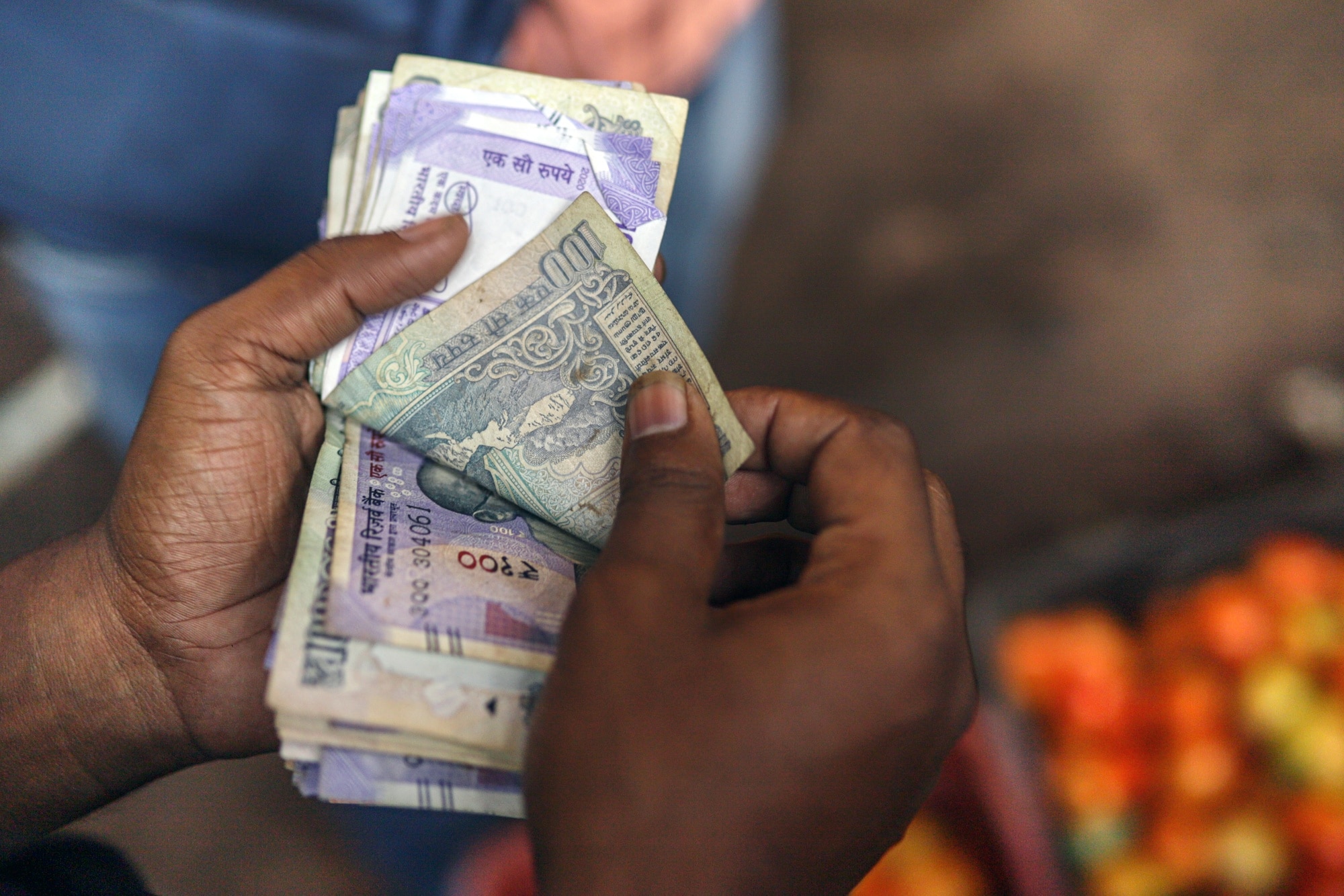
(Bloomberg) -- The Indian central bank's tight grip on the rupee is boosting the allure of the currency for carry trades, according to Fidelity International.
The rupee rewards investors with a high yield than regional peers, and together with low volatility, makes it “arguably one of the most attractive currencies on the planet,” Paul Greer, a money manager at Fidelity in London, said in an interview.
The Indian rupee is among the most stable Asian currencies, thanks to repeated interventions from the Reserve Bank of India, as it seeks to slow its decline near a record low. That strategy has its risks as traders may face losses in case of a sudden policy shift.
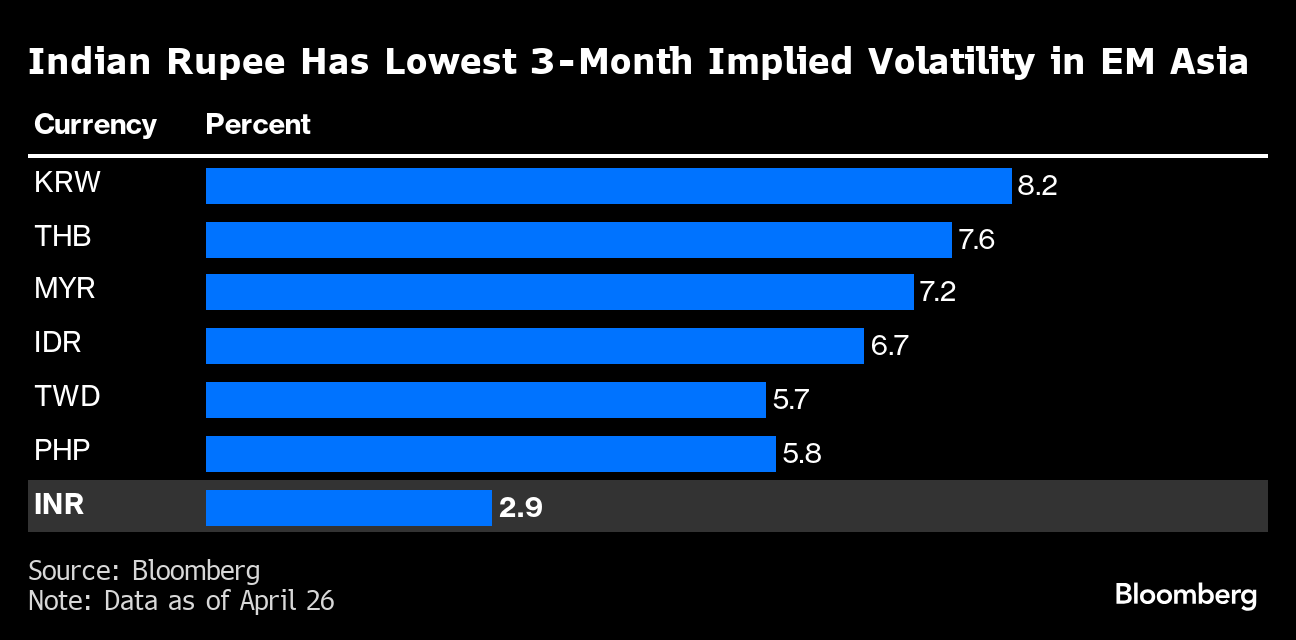
“When I look at the Indian rupee, I don't think about it as an appreciation trade,” said Greer. “Because RBI has been so tight on both sides of the range, the carry-to-volatility ratio is what many investors are attracted to.”
Even while the rupee fell to a record in April, it remains the best-performing Asian currency this year. The currency is down just 0.2% against the dollar, while the Indonesian rupiah and Thai baht have declined more than 5%.
Underpinning the appeal of the rupee is that the RBI has kept interest rates unchanged, while some of its Latin American counterparts have been easing policy. The policy divergence has lured overseas funds into India, also driven by the inclusion of Indian bonds into JPMorgan Chase & Co.'s global index.
Read more: HSBC Says India Bonds Set for $100 Billion of Foreign Flows
India's near-record foreign exchange reserves of $643 billion have also given the RBI firepower to intervene and curb rupee swings. The yield on benchmark 10-year bond at about 7.20% is the highest among major Asian markets, luring foreign investors.
“The real benefit of India is the carry, which is why a lot of people like it,” Greer said. “Over the coming months and quarters, many investors will be looking to build or add to exposure in this particular market.”
More stories like this are available on bloomberg.com
©2024 Bloomberg L.P.

-
Signature Play: The Classic Cocktail Is Dead. Or Is It?

Classic cocktails are disappearing from India's cocktail menus. But they're still being ordered, taught to bartenders and borrowed from. So, who's really having the last drink?
-
A New Samvat Wishlist: Inclusive Prosperity And Human Development
India has strengthened its economic foundations through infrastructure, digital access and enterprise. Its next growth chapter must deepen productivity, create better livelihoods and widen participation in prosperity.
-
Love, Sex Aur Dhokha: The Audacious Plot To Spy On Jensen Huang
A Taipei dinner, a Singapore chip buyer and a suspected Chinese asset: inside the alleged spy operation that got close to NVIDIA's Jensen Huang.
-
Ten Things I Learnt This Samvat
Patience can be a trap. Cheap stocks can stay cheap. Leverage can wipe you out. What did Samvat 2082 teach us? Niraj Shah writes on 10 lessons from the year gone by.
-
Talking Points This Week: Tech Nerves, FII Buying, And A Faraway Banking Shock
The global markets are not shining this Diwali. The exception in the large markets is, India.
-
Midterm Rally Lasted A Day. The Hard Reality Of A Divided US May Last Two Years | Opinion
Between a contested AI boom, a debt ceiling that arrives in 2027 and a president with every incentive to act alone, the next two years may prove more volatile than the first day's rally suggests.
-
Blue Wave Will Derail the AI Trade but Won't Dismantle the AI Era | Unhedged Position
The Democrats' sweep of the US Congress will see politics collide with economic forces both over the long and short term.
-
It's Time To Take The GST Council's Bet On Trust Global
Payment records can prove India's services exports, and clear, proportionate rules can bring foreign digital sellers into the tax net.
-
Opinion | India at 38: From Innovation Overperformer to Innovation Powerhouse
India now has 453 VC-backed deep science startups, 18 of them late-stage, after 117 percent growth since 2020. Laurus Labs, at USD 9.3 billion, is the most valuable deep science company in any middle-income economy outside China.









