- Oil prices rose sharply due to US-Iran tensions affecting the Strait of Hormuz
- Brent crude surpassed $103 a barrel while WTI stayed near $91 amid conflict fears
- Iran rejected US talks and may charge ships for passage security in Hormuz
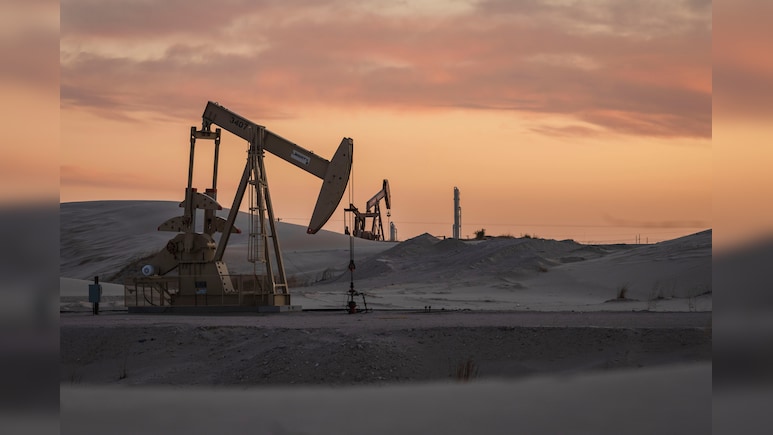
Oil prices climbed sharply on Thursday as tensions between the United States and Iran intensified, clouding prospects for a near-term resolution to the conflict that has effectively shut down the Strait of Hormuz. The disruption to one of the world's most critical oil transit routes has sparked fears of a prolonged supply shock and a wider energy crisis.
Global benchmark Brent crude rose above $103 a barrel, rebounding after a brief dip earlier this week, while West Texas Intermediate hovered near $91. The rally comes as conflicting signals from Washington and Tehran dampen hopes of de-escalation.
While the White House maintains that talks are ongoing, Iran has pushed back, rejecting US outreach and asserting its own conditions — including tighter control over the Hormuz passage. Reports suggest Tehran is considering levying fees on ships in exchange for security, a move that could further complicate global trade flows.
Also Read | Layoffs Are Rising In Tech, But These Skills Are Helping People Unlock Better Pay
US President Donald Trump has reiterated that negotiations are underway, even as officials warn of potential military escalation. Analysts say this dual approach — diplomacy paired with pressure — has left markets unconvinced.
ALSO READ: Trump To 'Unleash Hell' If Iran Doesn't Accept Defeat: Karoline Leavitt
Supply Shock Fears Push Prices Higher
The near-closure of the strait has already choked off millions of barrels of daily oil supply, driving up fuel prices globally — from diesel to jet fuel. The ongoing disruption has put crude on track for its strongest monthly gain in decades.
The impact is being felt most acutely in Asia, where governments are preparing for worst-case scenarios. Countries like the Philippines and South Korea have already begun emergency measures to manage potential shortages.
Meanwhile, military deployments in the region and tighter controls on shipping — including detailed checks by Iranian forces — signal that the disruption may persist. With tanker traffic reduced to a trickle, traders remain fixated on the strait as the key risk to global energy stability.
As geopolitical uncertainty lingers, oil markets appear firmly in the grip of a conflict where resolution remains elusive — and the economic fallout is only beginning to unfold.
ALSO READ: 'Sovereignty Over Hormuz': Iran's Fresh Conditions For Truce Amid Trump's Ceasefire Plan
Essential Business Intelligence, Sharp Market Insights, Practical Personal Finance Advice, Daily Fuel, Gold and Silver Prices and Latest Stories — On NDTV Profit.