Somewhere between our third saved reel, and our fifth 'left at checkout' cart, the algorithm has figured out our style. And we are increasingly, and unwantingly, trusting it. Earlier, fashion inspiration came from the last film you saw, and that one actor you were obsessed with. Now, it's more likely to come from a creator's 'Get Ready With Me To Go Grab Lunch' reel watched during a commute.
Those trends that catch our eye online, can now be accessed almost instantly, but Deloitte's recent report on fashion and consumer behaviour, 'Weaving a new India identity: The rise of fast fashion and affordable premium', shows that consumers are being more intentional than ever, just as fashion is no more gatekept.
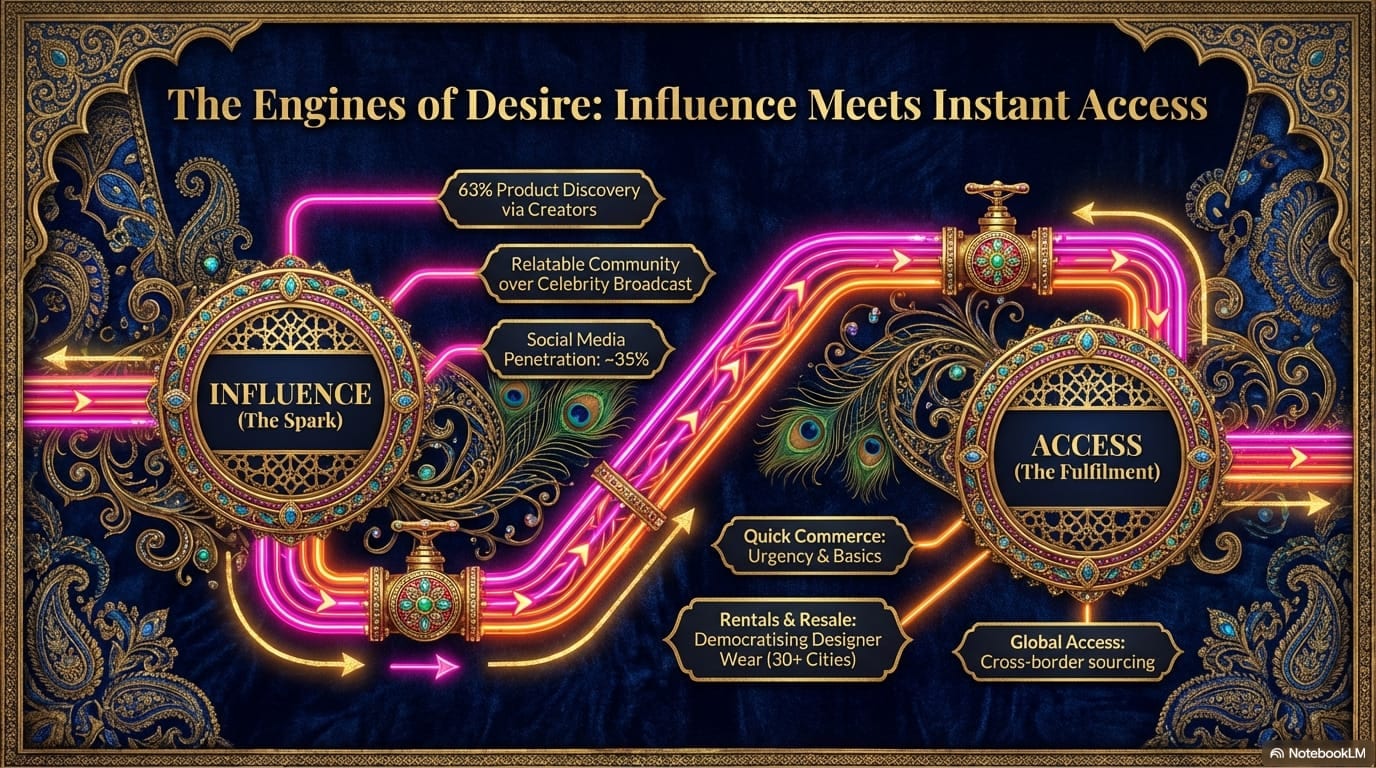
Source: Deloitte's 'Weaving A New India Identity' report.
Also Read | Layoffs Are Rising In Tech, But These Skills Are Helping People Unlock Better Pay
Influence Doesn't Just Sell Fashion
The biggest shift isn't in what Indians buy, but how they decide what's worth buying.
Creators, communities, and digital platforms have replaced traditional advertising as the starting point of fashion discovery. But discovery alone isn't enough. Access — through faster delivery, rentals, resale, and cross-border platforms — has made aspiration instantly actionable.
Together, influence and access have collapsed the distance between wanting something and owning it. Fashion is no longer aspirational in theory — it's accessible in practice.
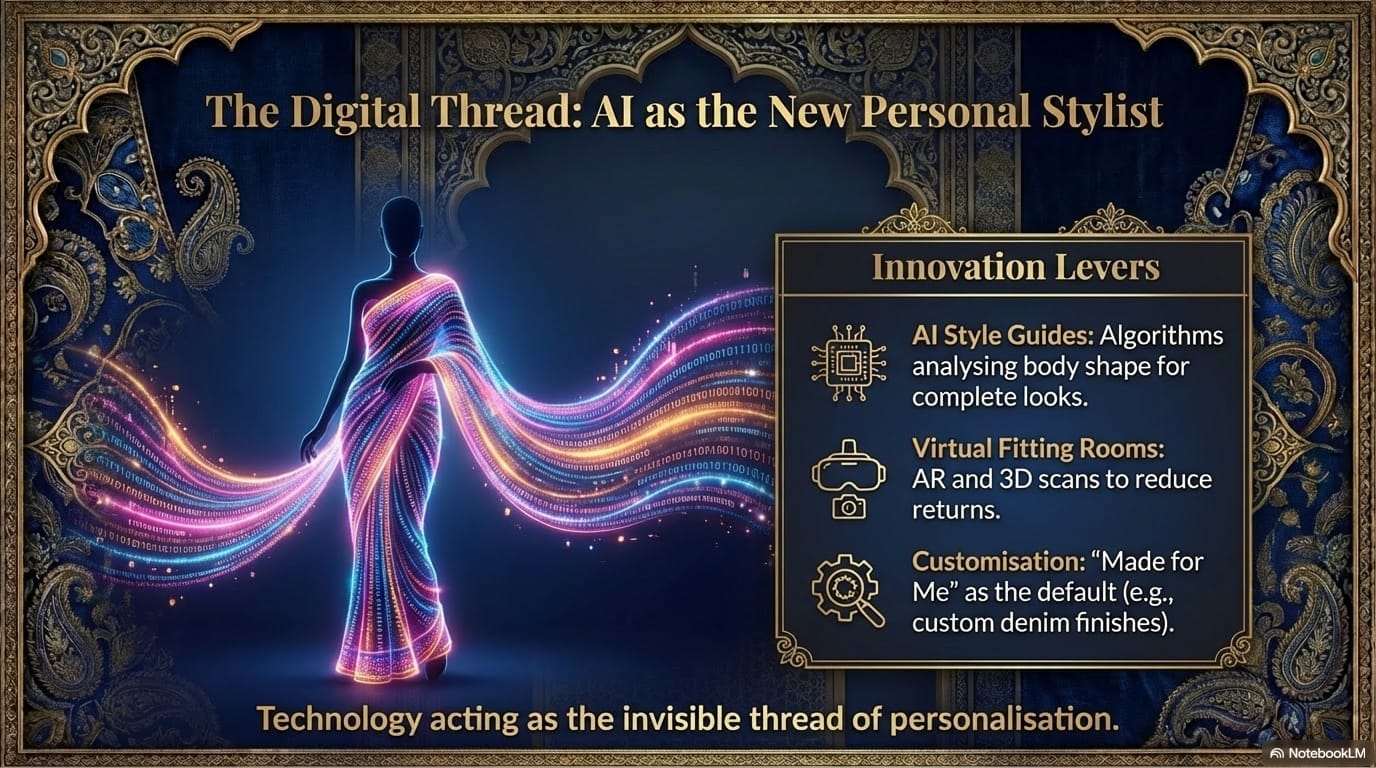
Source: Deloitte's 'Weaving A New India Identity' report.
The Mindset Makeover
The Indian consumer is undergoing a psychological shift, from accumulation to curation. Instead of expanding wardrobes endlessly, shoppers are upgrading selectively. Quality, fit, and individuality now matter more than sheer volume. The emphasis has shifted toward pieces that feel personal, versatile, and expressive.
This is also reshaping how brands position themselves. The real competition is no longer just on price — but on perceived value and experience.
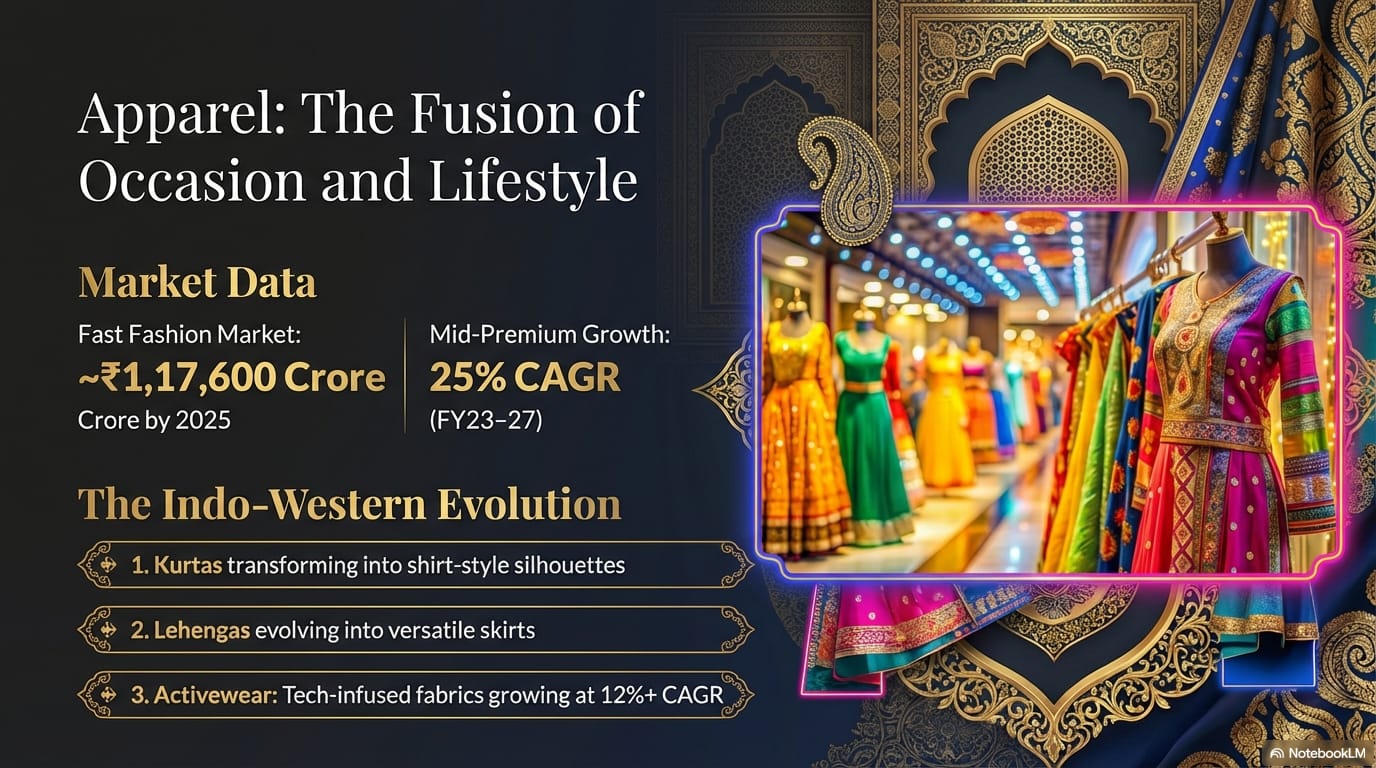
Source: Deloitte's 'Weaving A New India Identity' report.
Everyday Fashion is Becoming Identity
Fashion categories that were once occasional purchases — like premium footwear, accessories, or fusion apparel—are becoming everyday essentials.
Consumers are increasingly viewing fashion as part of their daily identity rather than occasional indulgence. Workwear, athleisure, accessories, and occasionwear are blending into one continuous wardrobe rather than separate categories. The result is a more expressive, experimental consumer who wants versatility across roles, moods, and occasions.
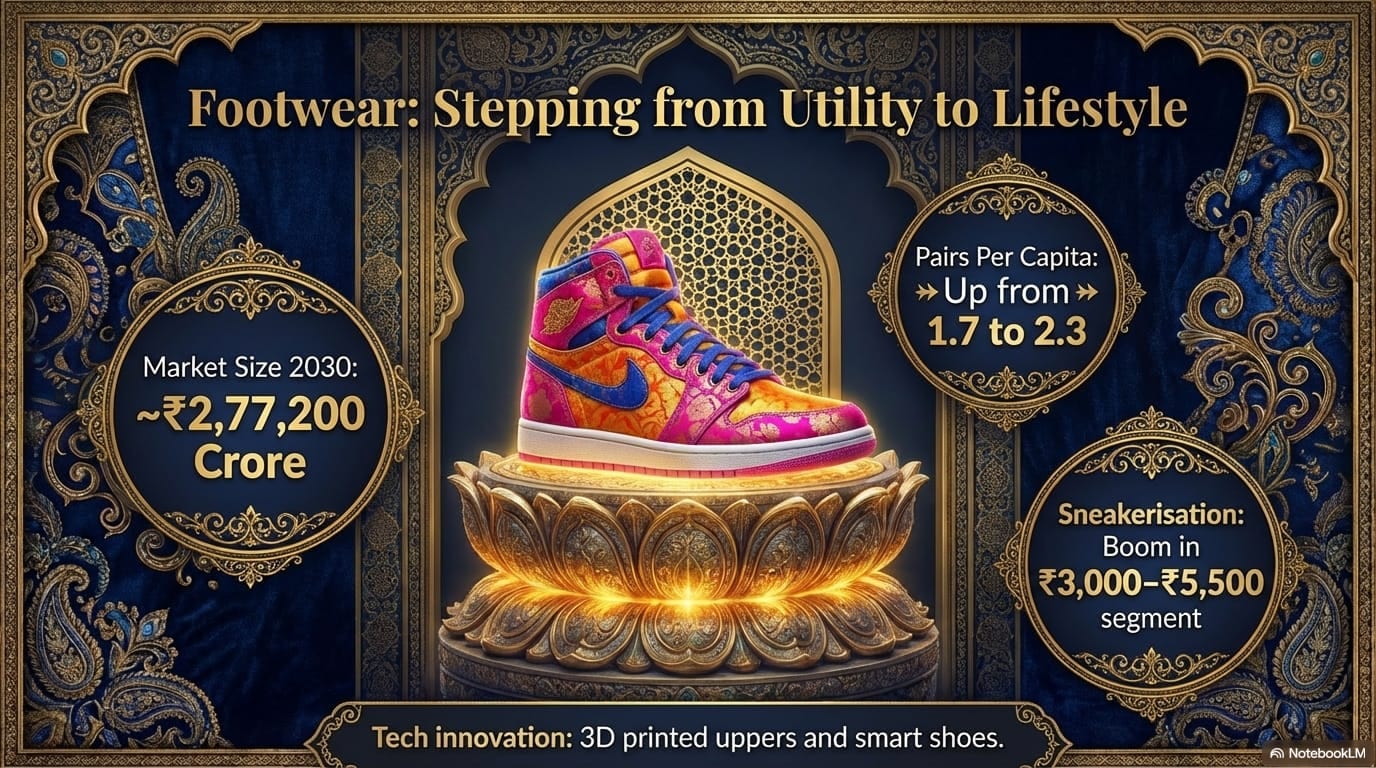
Source: Deloitte's 'Weaving A New India Identity' report.
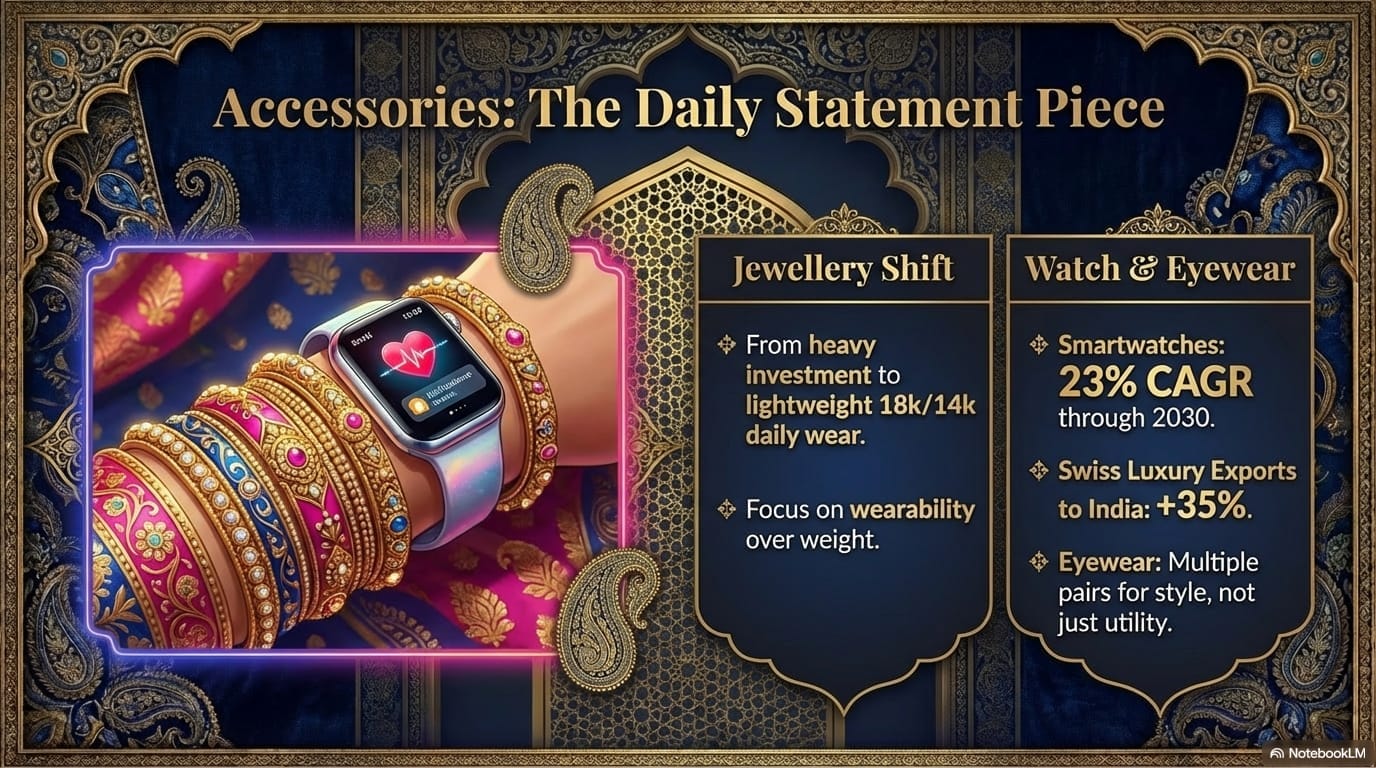
Source: Deloitte's 'Weaving A New India Identity' report.
A New Global Story
India's fashion industry is no longer just supplying garments to global brands — it's building brands of its own.
A combination of manufacturing scale, design innovation, and cultural authenticity is helping Indian fashion gain recognition globally. At the same time, global brands are entering India aggressively, recognising the country as one of the most important future fashion markets.
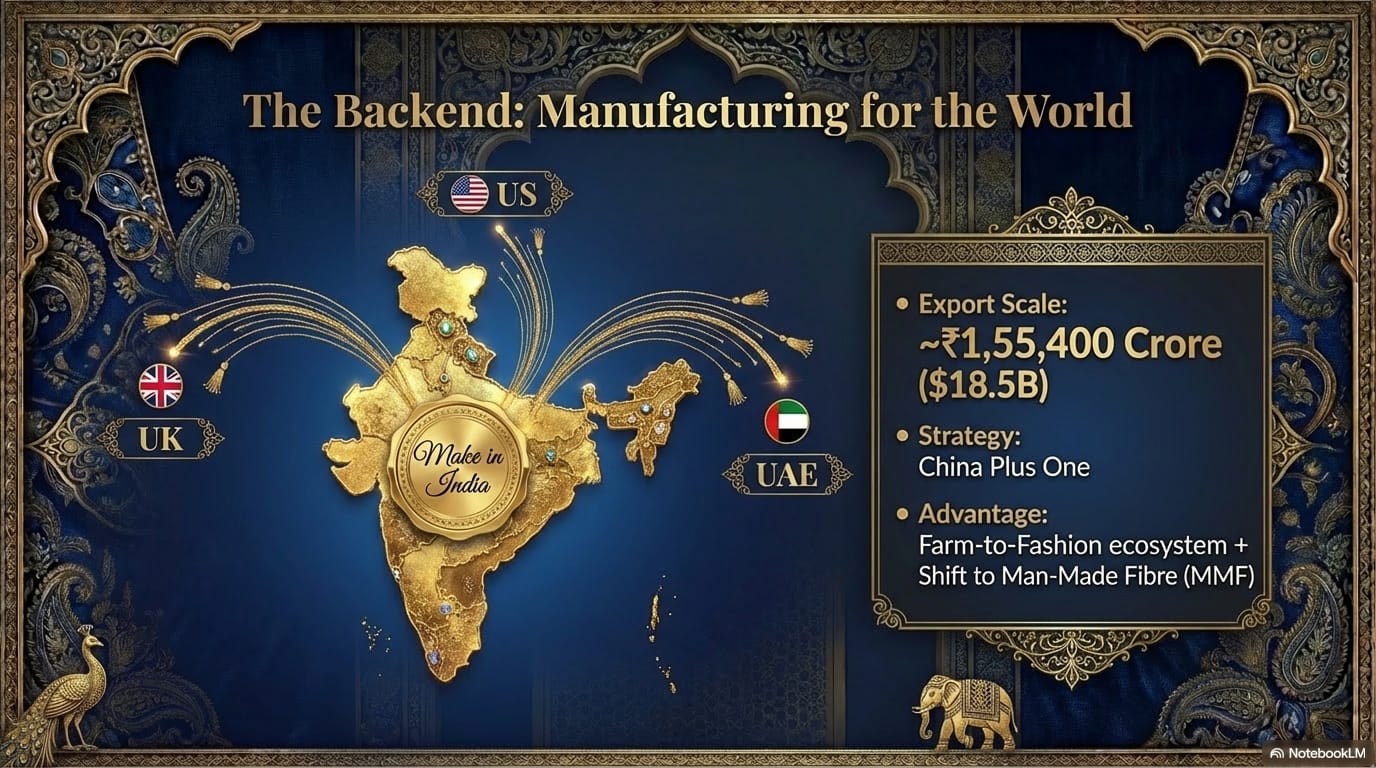
Source: Deloitte's 'Weaving A New India Identity' report.
Sustainability, The New Expectation
The next phase of fashion growth will be defined not just by speed or scale, but by responsibility.
Consumers are increasingly embracing resale, repair, and conscious consumption — not just for environmental reasons, but for value and longevity. Circular fashion models are transforming how consumers think about ownership itself. Fashion is slowly moving from disposable to durable — from seasonal to sustainable.
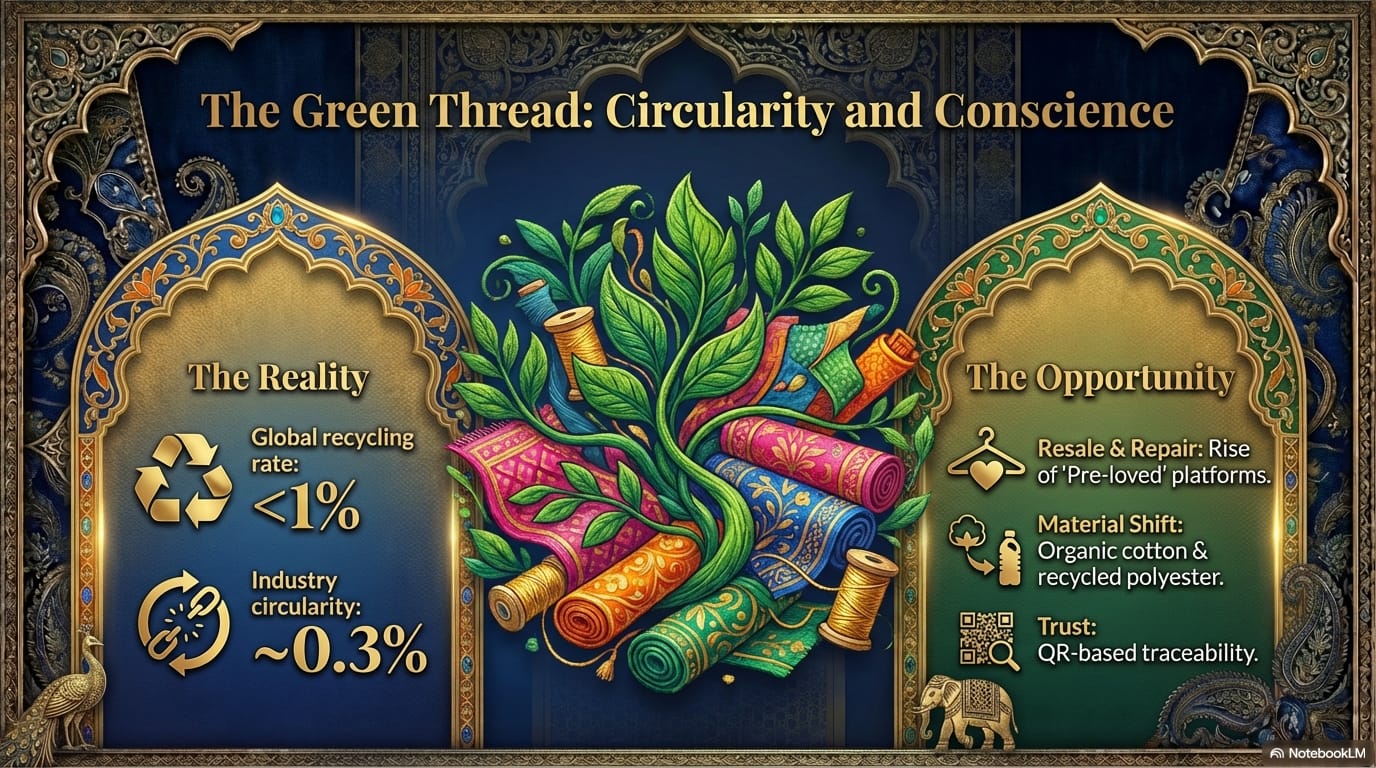
Source: Deloitte's 'Weaving A New India Identity' report.
Deloitte's survey and analysis show that India's fashion consumer is no longer defined solely by affordability — but by aspiration, access, and intent.
Consumers are becoming more selective, more expressive, and more digitally influenced. They are not just buying fashion — they are curating identity.
ALSO READ: India AI Landscape On D-Street At A Glance
Essential Business Intelligence, Sharp Market Insights, Practical Personal Finance Advice, Daily Fuel, Gold and Silver Prices and Latest Stories — On NDTV Profit.