Creditor Paybacks: The Case For Compulsory Monitoring Committees Under Insolvency
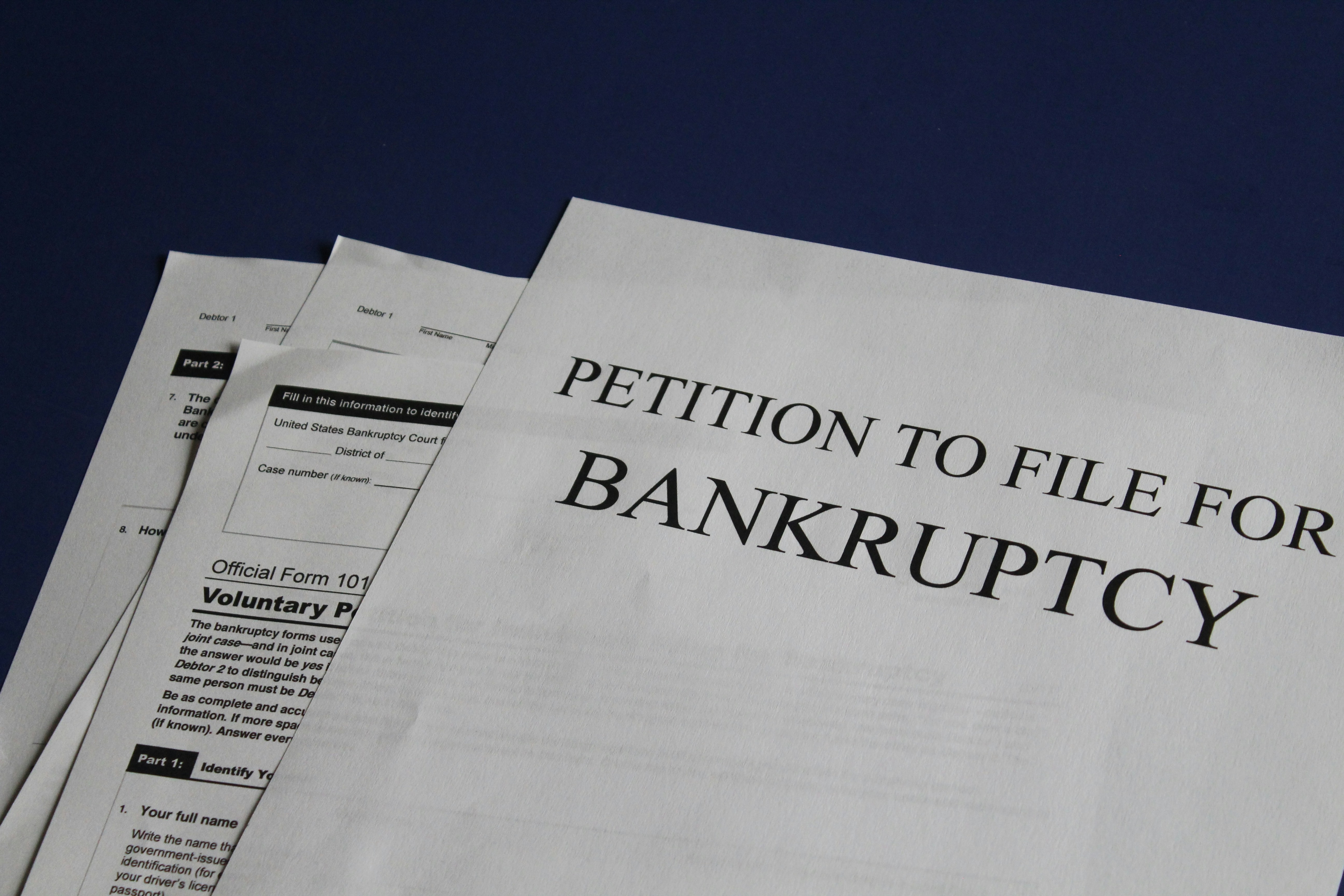
When one of the most notable carriers in the aviation industry went down earlier this month, the highest court of the land was witness to an ‘eye opener' as to how insolvency cases are handled in this country.
The Jet Airways saga forced the court to issue a host of suggestions for dealing with the lacunas in the system. One such suggestion pertained to the issue of a smooth handover of the insolvent company to its new owners.
To make good on the court's counsel, the Insolvency and Bankruptcy Board of India has, this week, come out with a proposal to mandate the constitution of a monitoring committee for implementation of all resolution plans.
Although there is a provision pertaining to monitoring committees in the existing framework, it is merely discretionary in nature. The IBBI has proposed to make it compulsory along with granting the creditors committee to take the final decision on its constitution and composition, as part of the resolution plan itself.
Most companies under IBC face not only financial and legal challenges but also significant compliance and operational issues that require resolution for a successful turnaround.Mukesh Chand, Senior Counsel, Economic Laws Practice
Acquirers often discount their bids to account for potential challenges arising during the implementation phase. These challenges, such as delays in handover of business and management, compliance gaps, or unresolved legal issues, directly impact the payback to creditors, Chand said.
The proposal seeks to benefit all stakeholders by providing structured oversight, expedited resolution plan implementation, and preserving asset value, which might otherwise erode due to delays, stated Anuj Shah, counsel at DMD Advocates.
The Right Way Forward
IBBI has proposed that the monitoring committee shall include members who are direct stakeholders, and to ensure equitable representation of interests, the committee must comprise nominations from the committee of creditors (CoC) and an equal number of nominees from the new owners.
It has been suggested that these committees must give the NCLTs and the IBBI progress reports on the implementation of the plan every three months and they must approach the tribunals if everything doesn't go according to the plan.
The proposed framework allows the facility to exclude or add members as needed. It is also recommended that the new acquirers take care of the expenditures of the monitoring committee to ensure operational efficiency and accountability.
As of now, the expenses are borne out of funds of the company in majority of the cases and hence, there is no incentive for the acquirers to expedite implementation, said Madhav Kanoria, partner at Cyril Amarchand Mangaldas.
The new proposal will ensure that the expenses will not be deducted from the financial outlay for the creditors while simultaneously incentivising the successful resolution applicant to expeditiously implement the resolution plans, Kanoria remarked.
The proposed framework adds a structure to the implementation phase, but there is a risk of inadvertent bureaucratic delays, especially if the functioning of the monitoring committee becomes overly procedural.Anuj Shah, Counsel, DMD Advocates
Shah said that a structured escalation process for delays should be put in place, with time bound interventions from the NCLTs to mitigate prolonged litigation during the implementation stage.

-
We May Need Another Tukaram Mundhe To Fight Air Pollution | The Reason Why

Developers may install basic measures such as sprinklers and green nets, resume work, and continue violating rules when this equipment stops working.
-
Extracting Value From Battery Scrap Could Be Challenging For India | The Reason Why
A discarded lithium-ion battery still contains valuable materials such as lithium, nickel and cobalt. These can be recovered and reused. When such batteries are crushed and shredded, they produce a dark powder called black mass.
-
One El Nino, India Can Handle. Two Could Break The Granary
India's grain stocks can absorb one bad year, but a second El Nino could drain the buffer in two to three years, economists say.
-
India's Troika Of Good Luck | Joining The Dots
As Jensen Huang's exit drags Nvidia down, a cooling AI trade and resilient earnings have revived investor interest in India. A likely RBI rate hike looms.
-
Talking Points This Week: Leadership Shock At Nvidia, Earnings Strength, And The Fog Over Hormuz
The Anthropic IPO pricing and first trading day, Nvidia's upcoming earnings, and any fresh signals from Iran will set the tone for the following week.
-
Signature Play: The Classic Cocktail Is Dead. Or Is It?
Classic cocktails are disappearing from India's cocktail menus. But they're still being ordered, taught to bartenders and borrowed from. So, who's really having the last drink?
-
A New Samvat Wishlist: Inclusive Prosperity And Human Development
India has strengthened its economic foundations through infrastructure, digital access and enterprise. Its next growth chapter must deepen productivity, create better livelihoods and widen participation in prosperity.
-
Love, Sex Aur Dhokha: The Audacious Plot To Spy On Jensen Huang
A Taipei dinner, a Singapore chip buyer and a suspected Chinese asset: inside the alleged spy operation that got close to NVIDIA's Jensen Huang.
-
Ten Things I Learnt This Samvat
Patience can be a trap. Cheap stocks can stay cheap. Leverage can wipe you out. What did Samvat 2082 teach us? Niraj Shah writes on 10 lessons from the year gone by.
-
Talking Points This Week: Tech Nerves, FII Buying, And A Faraway Banking Shock
The global markets are not shining this Diwali. The exception in the large markets is, India.









