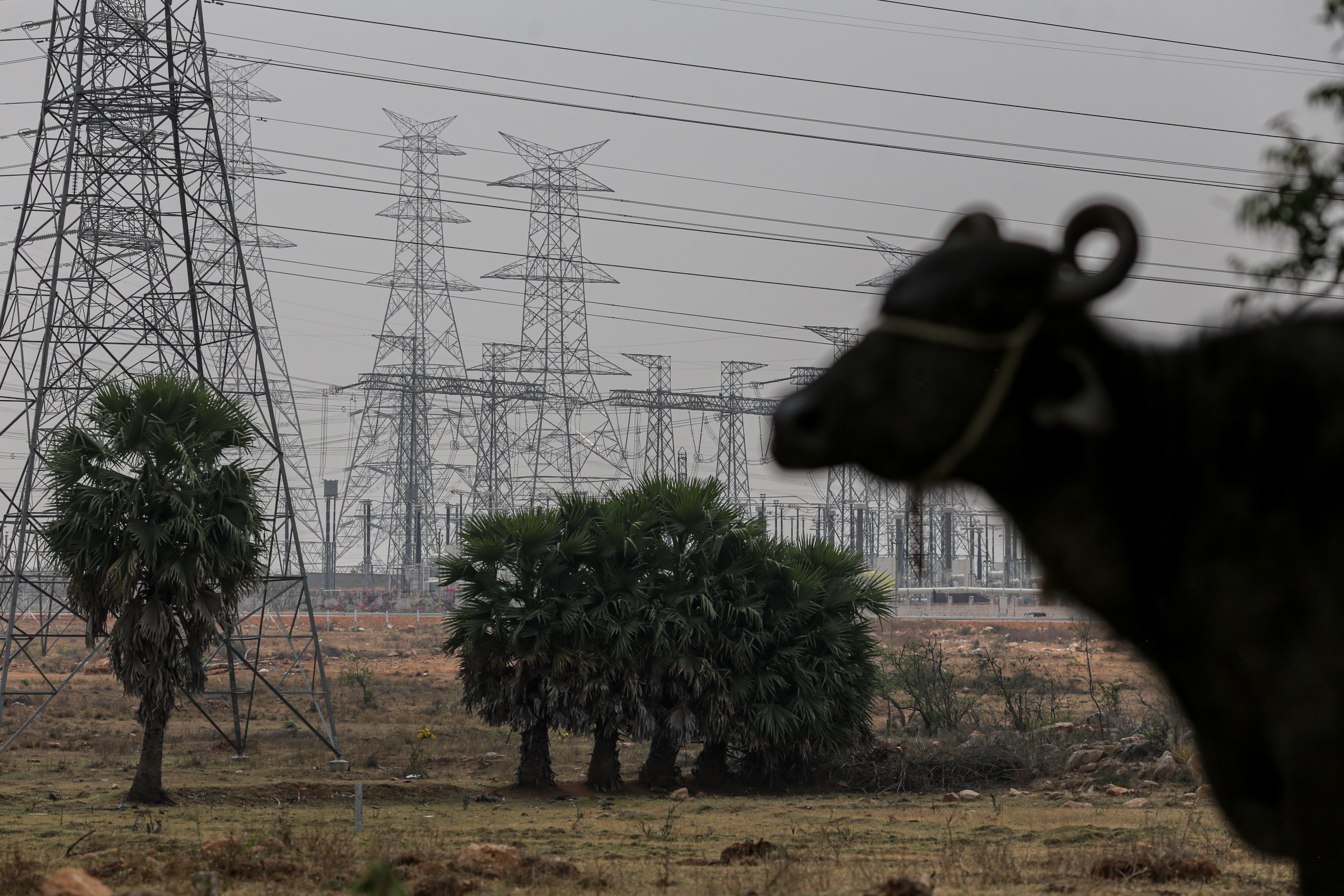
India is overhauling the way it forecasts electricity demand to ensure generation capacity matches what's needed and the grid remains stable with increasing volumes of clean energy.
The government's Central Electricity Authority, or CEA, is seeking cooperation with weather agencies to access better environmental data and plans more frequent forecasts to account for unexpected events, said Ghanshyam Prasad, the chairperson of the planning body.
“We had been doing detailed demand assessment every five years, which we now plan to do every two years and eventually make it an annual exercise,” he said in an interview at his office in New Delhi.
Also Read | Layoffs Are Rising In Tech, But These Skills Are Helping People Unlock Better Pay
Changing power usage patterns, rising use of intermittent solar and wind energy and increasingly frequent extreme weather events have complicated demand forecasting, requiring systemic reforms. Gauging future demand more precisely has become imperative to prevent supply-demand mismatches, keep costs in check for utilities and prevent blackouts.
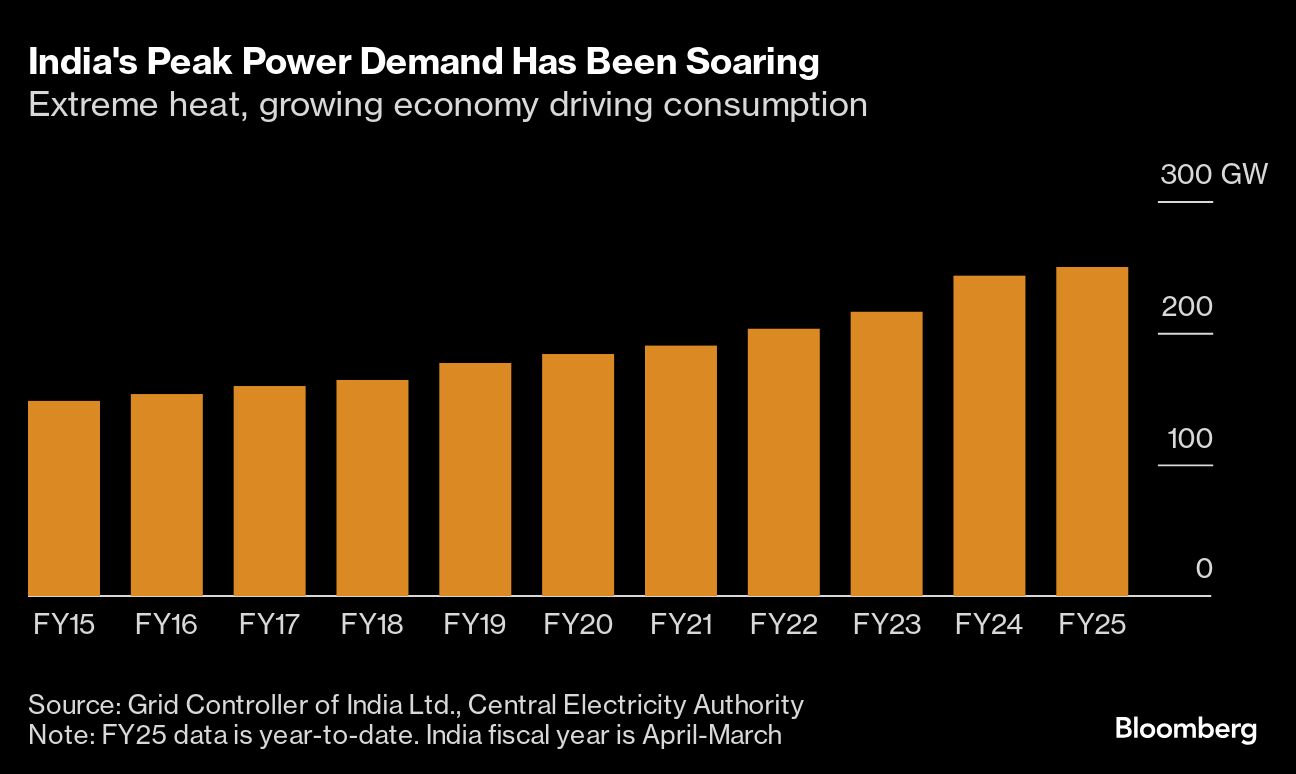
Demand assessments at a national level are based on aggregation from state distribution utilities, since more than 80% of the country's electricity is traded through them.
But state utilities still follow archaic modelling methods, said Hitesh Chaniyara, partner for climate and energy at PwC India. These power retailers lack historic datasets, weather studies, technology and skilled personnel, often relying on “spreadsheets and gut feeling” to plot future demand, he said.
“That's not going to work anymore,” Chaniyara said. “We can get national-level demand forecasts right only if state utilities are able to measure their own demand more accurately.”
As climate change makes the weather more erratic, access to more granular long and short-term data is now crucial to estimating power demand, CEA's Prasad said. The planning agency is seeking longer-term climate projections from the India Meteorological Department to upgrade its models.
It is also looking for more location-specific weather data to be recorded multiple times in a day, Parasad said. Renewable energy is influenced by weather variability, and one storm has the potential to take a plant off the grid entirely, a void that must be filled by other sources until it's put back up.
“We have asked all renewables companies to share the weather data they generate at their plant sites with the IMD, and most have started doing that,” Prasad said. “We are hoping IMD can process all that information and give us more granular forecasts.”
Essential Business Intelligence, Sharp Market Insights, Practical Personal Finance Advice, Daily Fuel, Gold and Silver Prices and Latest Stories — On NDTV Profit.