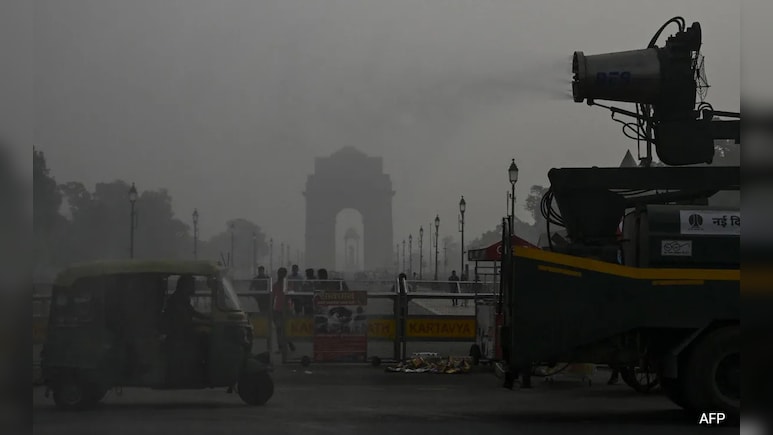
Delhi government has introduced a permanent winter pollution control framework covering construction, offices, vehicles, parking, dust and open burning. The measures will automatically come into force every year from November 1 to February 28, instead of being announced separately each winter.
Issued under the Environment (Protection) Act, 1986, the framework brings several existing pollution-control measures under one system as Delhi prepares for its annual winter pollution season.
50% work from home for offices
From November 1 to January 31, government and private offices in Delhi will have to ensure that no more than 50% of staff are physically present, with the rest working from home. Essential services such as hospitals, fire services, public transport, electricity, water supply and disaster management are exempt.
Also Read | Layoffs Are Rising In Tech, But These Skills Are Helping People Unlock Better Pay
Private offices will also be asked to stagger working hours and encourage carpooling, ride-sharing and public transport.
ALSO READ: Attention Delhi Motorists: No Valid PUC? Violators Face Up To Rs 10,000 Fine - All You Need To Know
From November 1 to February 28, government offices will follow staggered timings:
MCD offices: 8:30 am to 5 pm
Delhi government offices: 10 am to 6:30 pm
The aim is to reduce peak-hour traffic and vehicle emissions.
Construction restrictions
Dust-generating demolition and outdoor construction work will be banned from November 1 to January 31, except for essential public infrastructure projects. Indoor finishing, plumbing and electrical work can continue with dust-control measures.
A stricter ban on construction and demolition will apply from December 10 to January 20, with limited exemptions for urgent government and emergency works.
During this period, vehicles carrying materials such as sand, cement, bricks, stone and construction debris will also generally not be allowed to enter Delhi.
No PUC, no fuel
Petrol, diesel and CNG/LPG outlets in Delhi will be required to supply fuel only to vehicles with a valid Pollution Under Control (PUC) certificate. Unlike several other measures, this rule will apply throughout the year.
PUC details can be checked through physical documents, ANPR systems, VAHAN and other electronic databases.
Older vehicles barred
From November 1 to January 31, non-Delhi vehicles that do not meet BS-VI emission standards will not be allowed to enter the capital. CNG and electric vehicles, along with emergency and essential vehicles, are exempt.
Parking charges to double
Parking charges at unauthorised parking facilities will be doubled from November 1 to February 28 to discourage private vehicle use. Delhi Metro Rail Corporation parking facilities are exempt.
Anti-smog measures and open burning
Commercial buildings with a built-up area of more than 3,000 square metres and a height of G+5 or above, including malls, hotels and offices, will have to install anti-smog guns or mist systems. Construction sites larger than 1,000 square metres will also require mist systems for dust suppression.
The framework also makes resident welfare associations, housing societies, institutions, contractors and other establishments responsible for preventing open burning on premises under their control. Field and drone-based surveillance, particularly at night, will be used to identify violations.
Penalties and GRAP
Violations can attract action under Section 15 of the Environment (Protection) Act, including prosecution, environmental compensation and sealing or closure of premises.
The new framework will operate alongside the Graded Response Action Plan (GRAP), which is triggered by air-quality conditions across Delhi-NCR.
The government said the framework was based on an analysis of Delhi's winter AQI data for 2023-24, 2024-25 and 2025-26. The data showed that air quality generally worsened between November 1 and February 15, with median AQI levels ranging from 312 to 342.
The measures will automatically come into effect each winter, with restrictions changing according to the specified dates. Chief Minister Rekha Gupta said the framework brings existing measures together to allow them to be implemented earlier and more consistently.
ALSO READ: No School Sports In NCR In Nov-Dec? Authorities Issues Fresh Air Pollution Advisory
Essential Business Intelligence, Sharp Market Insights, Practical Personal Finance Advice, Daily Fuel, Gold and Silver Prices and Latest Stories — On NDTV Profit.