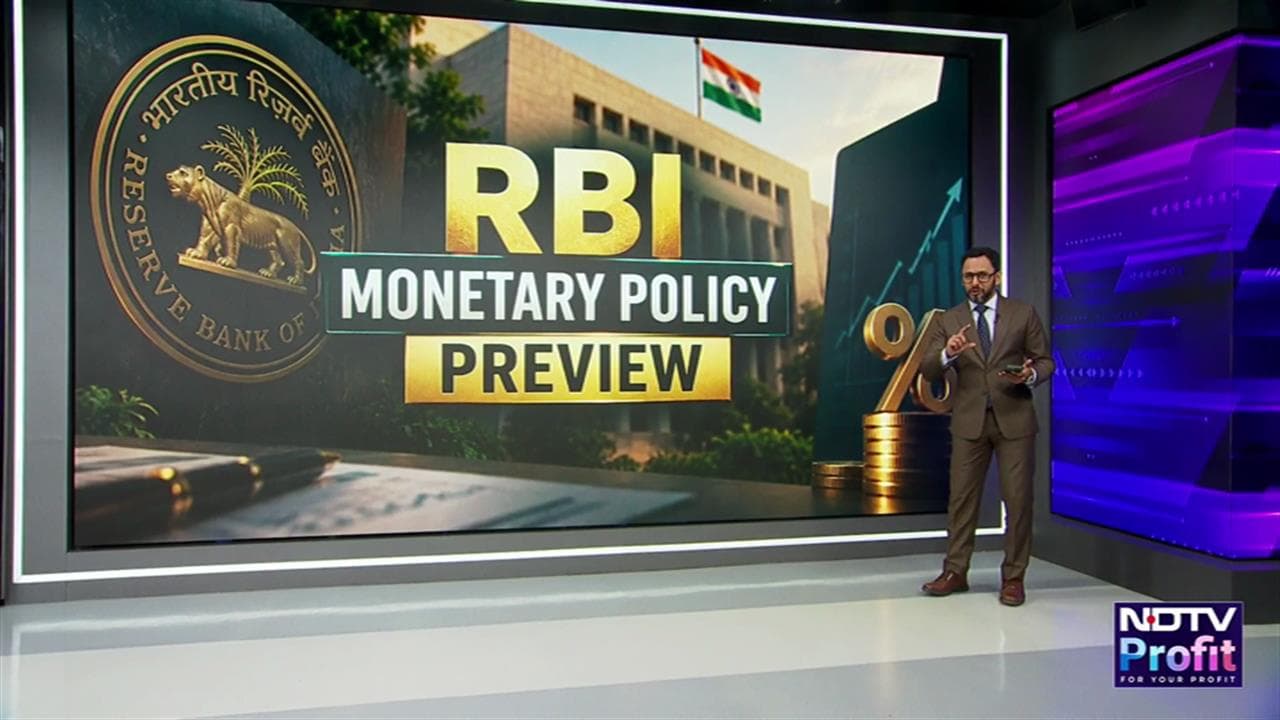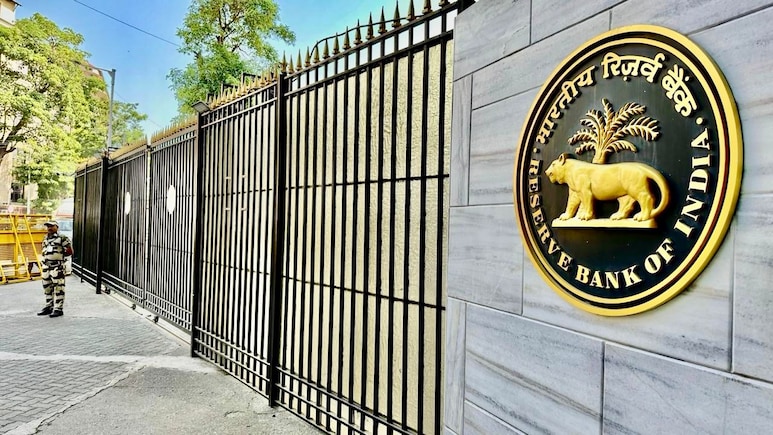
The Reserve Bank of India (RBI) is widely expected to begin its rate-hiking cycle with a 25-basis-point repo rate increase at its October 7 monetary policy meeting, with HSBC and JPMorgan both seeing another 25-bps hike in December. While the two global banks differ on the likely policy stance, both argue that rising inflation pressures, resilient growth and a challenging external environment warrant tighter monetary conditions.
HSBC expects the RBI to raise the repo rate by 25 bps to 5.5% in October, followed by another 25-bps hike in December. It expects September inflation to rise to around 5.5% from 4.8% in August, with inflation averaging just above 6% in the fourth quarter of 2026. HSBC also expects inflation to remain above 5% over the next year.
The brokerage highlighted an increasingly difficult external backdrop, with oil prices above $100 a barrel, higher global bond yields and a strengthening US dollar potentially weighing on emerging-market flows. At the same time, domestic growth remains resilient, with stronger export demand supporting manufacturing. HSBC noted that exports to the UK rose 12% month-on-month, seasonally adjusted, a month after the UK-India FTA came into effect.
Also Read | Layoffs Are Rising In Tech, But These Skills Are Helping People Unlock Better Pay
ALSO READ: Catch RBI MPC Meeting Outcome Live Updates Here
Liquidity is another key concern. HSBC estimates that around Rs 6 trillion of excess liquidity needs to be withdrawn from the banking system over the coming months. It expects the RBI to rely on a combination of OMO sales, FX interventions, FX swaps and VRRRs rather than a sharp CRR increase.
JPMorgan also expects a 25-bps hike in October and another 25-bps increase in December, but believes the RBI is likely to retain its neutral stance while adopting a relatively hawkish tone. It argues that a 50-bps hike would be an overreaction at this stage and that a 25-bps increase accompanied by hawkish guidance would be more appropriate.
JPMorgan expects the RBI to remain independent of the US Federal Reserve rather than mechanically “chase the Fed”, although narrowing rate differentials could add pressure on the rupee. It favours a combination of OMO sales and sell-buy FX swaps to drain liquidity, support monetary transmission and provide near-term stability to the rupee.
The key focus, therefore, could be less on the size of Wednesday's rate hike and more on the RBI's guidance, inflation forecasts, liquidity-management measures and stance.
ALSO READ: Catch Stock Market Live Udpates Here
Essential Business Intelligence, Sharp Market Insights, Practical Personal Finance Advice, Daily Fuel, Gold and Silver Prices and Latest Stories — On NDTV Profit.