RBI Repo Rate Hike: The Reserve Bank of India (RBI) has raised the repo rate by 25 basis points to 5.50% from 5.25%, marking the first rate hike since February 2023, and the policy has delivered a clear hawkish signal to markets.
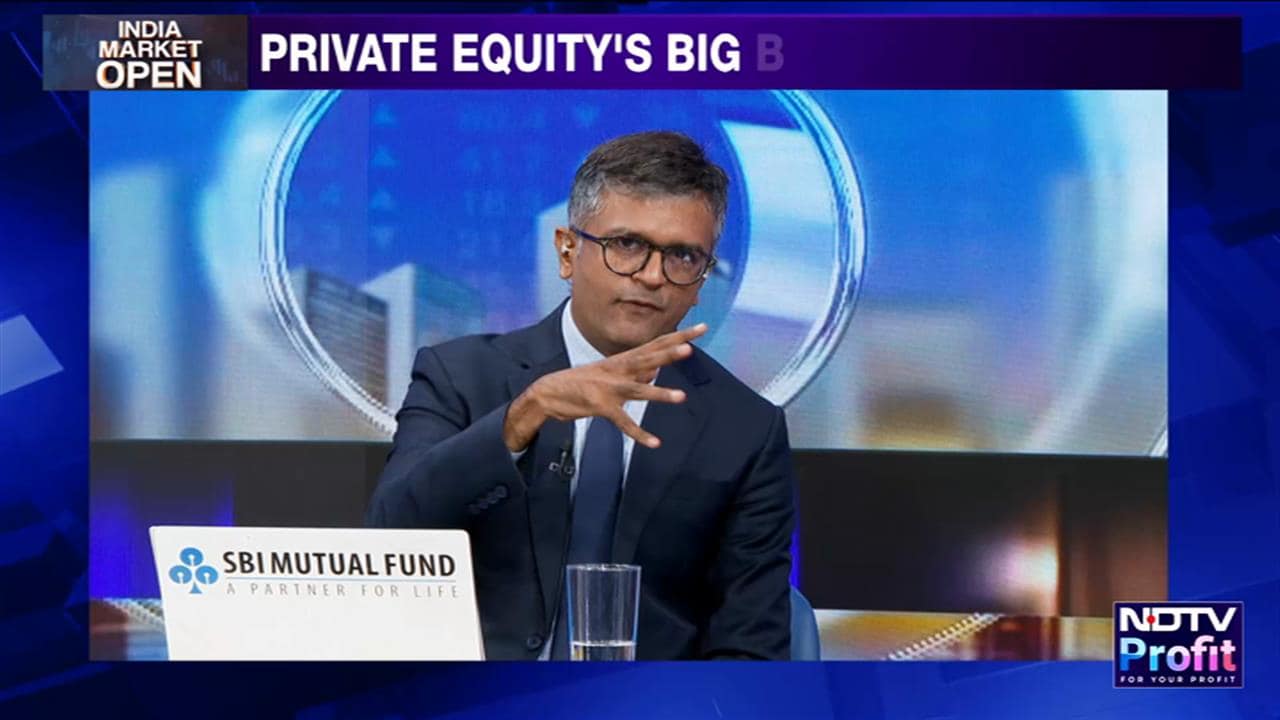
Speaking to NDTV Profit after the RBI Monetary Policy Committee (MPC) decision, Radhika Rao, Senior Economist and Executive Director, DBS Bank, said the bigger takeaway was the combination of the rate hike, upward revisions to inflation and growth forecasts, and a change in the policy stance.
“I think through and through you can really get from all directions including inflation forecasts upgrade, growth forecast upgrade as well as change in stance that they are very clear that the direction of travel is to hike rates,” Rao said.
Also Read | Layoffs Are Rising In Tech, But These Skills Are Helping People Unlock Better Pay
She added that the central bank's shift represented a significant change in tone, saying the “dovish hat now it's completely a hawkish turn”.
RBI Rate Hike: Hawkish Turn More Important Than 25 Bps Move
Rao said the hawkish undertones in the policy were somewhat surprising, particularly because the RBI has historically not always changed its policy stance at the same time as its first rate move.
ALSO READ: RBI Repo Rate Hike: Will Gold Prices Fall After Rates Rise To 5.50%? What Investors Should Know
She said she had been split between an October and December rate hike, expecting the RBI could potentially hike rates first and change its stance later.
Instead, the central bank combined the 25 bps repo rate hike with a shift in stance, making the direction of monetary policy much clearer.
The RBI moved to a “calibrated tightening” stance, with four of the six MPC members voting in favour of the stance decision, while the repo rate hike itself was unanimous.
For Rao, this combination is the key signal for markets: the RBI is not merely responding to current inflation but is attempting to act before price pressures become more entrenched.
‘Inflation Pressures Are Getting Generalised'
One of the most important points in Rao's assessment was the RBI's evolving view of inflation.
She noted that in the initial part of the policy commentary, the central bank did not see clear signs of price pressures becoming generalised. However, Governor Sanjay Malhotra subsequently acknowledged that in some pockets, price pressures are becoming increasingly visible and generalised.
Rao said this could become more significant if companies that had initially absorbed higher costs begin passing those costs on to consumers.
“I think the next leg will be where firms are, you know, are kind of initial but they didn't really pass on the cost as much. But the second leg could be those costs start getting passed as well,” she said.
This, according to Rao, helps explain why the RBI has revised its inflation forecasts higher well into FY28.
RBI Inflation Forecast: Why The Upgrade Matters
The RBI has raised its inflation projections across the forecast horizon, with FY27 CPI inflation now seen at 5.2% versus 5% earlier.
The central bank expects inflation at 5.2% in Q2 FY27, compared with 5% earlier, while Q3 inflation is projected at 6% versus 5.9% earlier. Q4 inflation is seen at 5.7% versus 5.5% earlier, while Q1 FY28 inflation is projected at 5.6% versus 5.3% earlier.
ALSO READ: RBI Raises FY27 CPI Inflation Forecast To 5.2% From 5%; Hikes Repo Rate To 5.50%
The RBI has also raised its FY27 core inflation forecast to 4.4% from 4.3% earlier.
For Rao, the fact that the inflation trajectory has been revised higher beyond the immediate quarters is particularly important. It suggests that the RBI is concerned about inflation becoming more persistent rather than viewing the current pressure as a temporary spike.
Liquidity: RBI Likely To Focus On Transmission
Rao also highlighted the liquidity situation, with banking-system liquidity in surplus by around Rs 5 lakh crore.
She said the RBI's focus would be on ensuring that monetary policy transmission takes place effectively, particularly by aligning the weighted average call rate (WACR) with the repo rate.
The central bank has already used tools such as variable rate operations (VRR), while open market operations (OMOs) could also become relevant later.
Rao said the RBI could look at around Rs 1-1.5 lakh crore through such measures later in the year.
However, she did not expect the cash reserve ratio (CRR) to be the primary tool, pointing to the Governor's earlier comments that the central bank was unlikely to rely on a CRR hike as its main liquidity instrument.
She also highlighted seasonal factors, including currency leakage during the festive season, as well as central bank intervention, which can affect liquidity conditions.
Why RBI Wants Liquidity Closer To Its Preferred Level
Rao said liquidity management is important not just from a monetary transmission perspective but also because of its relationship with inflation.
She noted that DBS' own work had found a modest correlation between liquidity and cost inflation with a considerable lag.
That means the RBI's effort to bring liquidity closer to its preferred level is also relevant to its broader inflation objective.
“The key that the governor is focusing on” is transmission, Rao said, adding that liquidity currently appears to be more a consequence of measures already taken and something that needs to be corrected over the coming two to three months.
Consumption Could Face Headwinds In Second Half
While the RBI has raised its growth outlook, Rao sees some risks emerging for consumption in the second half of the fiscal year.
She said consumption trends were likely to be better in the first half, but the second half could face headwinds, particularly from the rural economy.
The Rabi crop could face risks because of lower groundwater and reservoir levels, while El Niño conditions could spill over into the 2027 calendar year.
“The El Nino is going to spill over into 2027 calendar year,” Rao said, adding that this does not bode well for the farm and rural economy.
Non-farm rural activity could provide some support, but Rao pointed out that it also has backward linkages to urban consumption.
Urban Consumption Faces Inflation, Tighter Financial Conditions
Rao said urban consumption could also face pressure as financial conditions tighten and inflation picks up. She expects price pressures to emerge across both the food and non-food baskets.
While two-wheeler and broader auto sales are currently showing good signs, she expects base effects to become relevant in the second half of the year.
Rao also pointed to the fading impact of the significant indirect and direct tax benefits seen during the same period last year.
“Consumption is going to face a bit of headwinds as we go into the second half of the year,” she said.
What RBI's Hawkish Turn Means For Investors
For investors, Rao's interpretation of the policy points to a significant change in the monetary-policy backdrop.
The important signal is not simply that the RBI has raised the repo rate by 25 bps. It is that the central bank has combined the hike with a hawkish stance, higher inflation forecasts and concerns around the potential broadening of price pressures.
That makes the path for near-term rate cuts considerably less straightforward.
At the same time, the tightening cycle could have implications for liquidity, consumption and interest-rate-sensitive sectors, particularly if tighter financial conditions persist into the second half of the fiscal year.
The key variables for investors to monitor from here will therefore be inflation persistence, whether companies begin passing higher costs to consumers, liquidity conditions, monetary-policy transmission and the impact of weather conditions on rural demand.
Bottom Line
The RBI's latest policy has marked a clear shift in tone, according to DBS Bank's Radhika Rao. The combination of a 25 bps rate hike to 5.50%, a shift to calibrated tightening, and upward revisions to inflation forecasts suggests that the central bank is increasingly focused on preventing inflationary pressures from becoming entrenched.
As Rao put it, the policy leaves behind its “dovish hat” and marks a “completely hawkish turn” — a signal that the direction of travel for interest rates has changed, even as the RBI continues to assess the impact of tighter financial conditions on consumption and growth.
Essential Business Intelligence, Sharp Market Insights, Practical Personal Finance Advice, Daily Fuel, Gold and Silver Prices and Latest Stories — On NDTV Profit.