The upcoming Budget is going to put emphasis on easing the debt-to-GDP ratio, which is around 56%, instead of targetting a specific fiscal deficit number as the country has almost reached the end of the glide path envisaged in the FRBM legislation. A fiscal deficit of 3-4% is considered comfortable and a desirable target for a growing, developing economy like India, aiming to balance economic expansion with financial stability.
Under the revised Fiscal Responsibility and Budget Management (FRBM) Act, the fiscal deficit target was below 4.5% of GDP for 2025-26. Therefore, the union government announced a new glide path with the debt-to-GDP ratio as the fiscal anchor. So, the roadmap for the next six years was announced in the FRBM statement released on February 1, 2025.
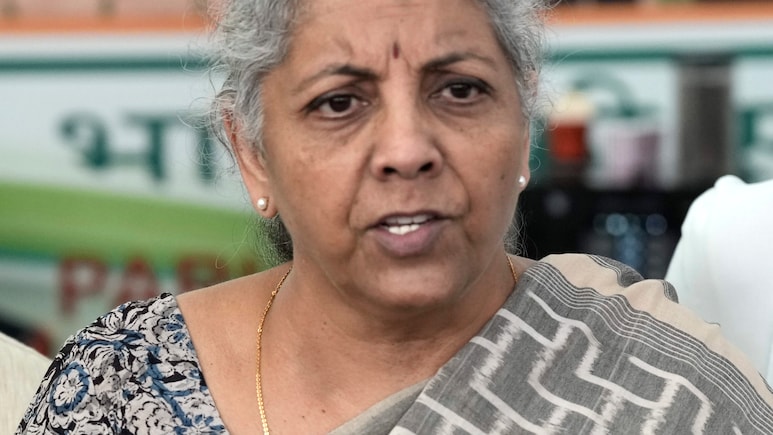
Finance Minister Nirmala Sitharaman, in her Budget speech in July 2024, had said, "The fiscal consolidation path announced by me in 2021 has served our economy very well, and we aim to reach a deficit below 4.5% next year. The government is committed to staying the course."
Also Read | Layoffs Are Rising In Tech, But These Skills Are Helping People Unlock Better Pay
From 2026-27 onwards, she had said, "Our endeavour will be to keep the fiscal deficit each year such that the central government debt will be on a declining path as a percentage of GDP."
It encourages a shift from rigid annual fiscal targets towards more transparent and operationally flexible fiscal standards. It is also recognized as a more reliable measure of fiscal performance as it captures the cumulative effects of past and current fiscal decisions.
It is expected that the debt-to-GDP-based fiscal consolidation strategy would help rebuild buffers and provide the requisite space for growth-enhancing expenditures.
The FRBM statement dated February 1, 2025, said the choice of fiscal anchor aligns well with the government's sustained efforts to promote fiscal transparency through proper disclosure of off-budget borrowings.
For the period FY 2026-27 to FY 2030-31, it is possible to compute several fiscal scenarios based on GDP growth trends and varying degrees of fiscal calibrations, it said.
"Sans any major macro-economic disruptive exogenous shock(s), and while keeping in mind potential growth trends and emergent development needs, the government would endeavour to keep fiscal deficit in each year (from FY 2026-27 till FY 2030-31) such that the central government debt is on declining path to attain a debt-to-GDP level of about 50±1 per cent by March 31, 2031 (the last year of the 16th Finance Commission cycle)," it added.
(This story has not been edited by NDTV staff and is auto-generated from a syndicated feed.)
Essential Business Intelligence, Sharp Market Insights, Practical Personal Finance Advice, Daily Fuel, Gold and Silver Prices and Latest Stories — On NDTV Profit.