India must gear up to face the possibility of community spread of the Covid-19, a prominent health expert said on Friday, cautioning that there could be more widespread transmission of the novel coronavirus due to easing of the lockdown.
On some experts suggesting that there is already community transmission (stage 3) of the virus in the country, President of Public Health Foundation of India, Prof. K Srinath Reddy maintained that it is a matter of definition. If one looks at the spread to people without history of travel or history of contact, certainly there are several such cases, he said. "But most of them are concentrated around the original points of entry of the foreign travellers or the travel routes of their contacts. So, these people who are describing it as stage 2 still are saying this is traceable local transmission, it is not unpredictable community transmission, he told PTI.
Therefore, we are avoiding the term community transmission. It is a matter of definitions and language; we need not debate that really, Reddy, who formerly headed the Department of Cardiology at All India Institute of Medical Sciences (AIIMS), said.
He said it should be recognised that community transmission has occurred in virtually every country which experienced this pandemic in a major form and India should also be prepared for it and act as though it is happening and take all precautionary containment measures. There is not only risk but actually threat of community transmission, said Reddy, who presently serves as an Adjunct Professor of Epidemiology at Harvard.
According to him, nations in South East Asia, including Malaysia, and India in particular, have kept the Covid-19 death rates per million of the population low compared to countries where the pandemic broke out around the same time. He said the low death rate in India could be the benefit of multiple factors such as younger age group, more rural population, temperature and climatic conditions as well as the benefits the containment measures which preceded lockdown, and then got much more consolidated with the lockdown.
"Its quite possible that all of these factors have been helpful and we have seen that benefit, Reddy said. But we need to continue to consolidate that.
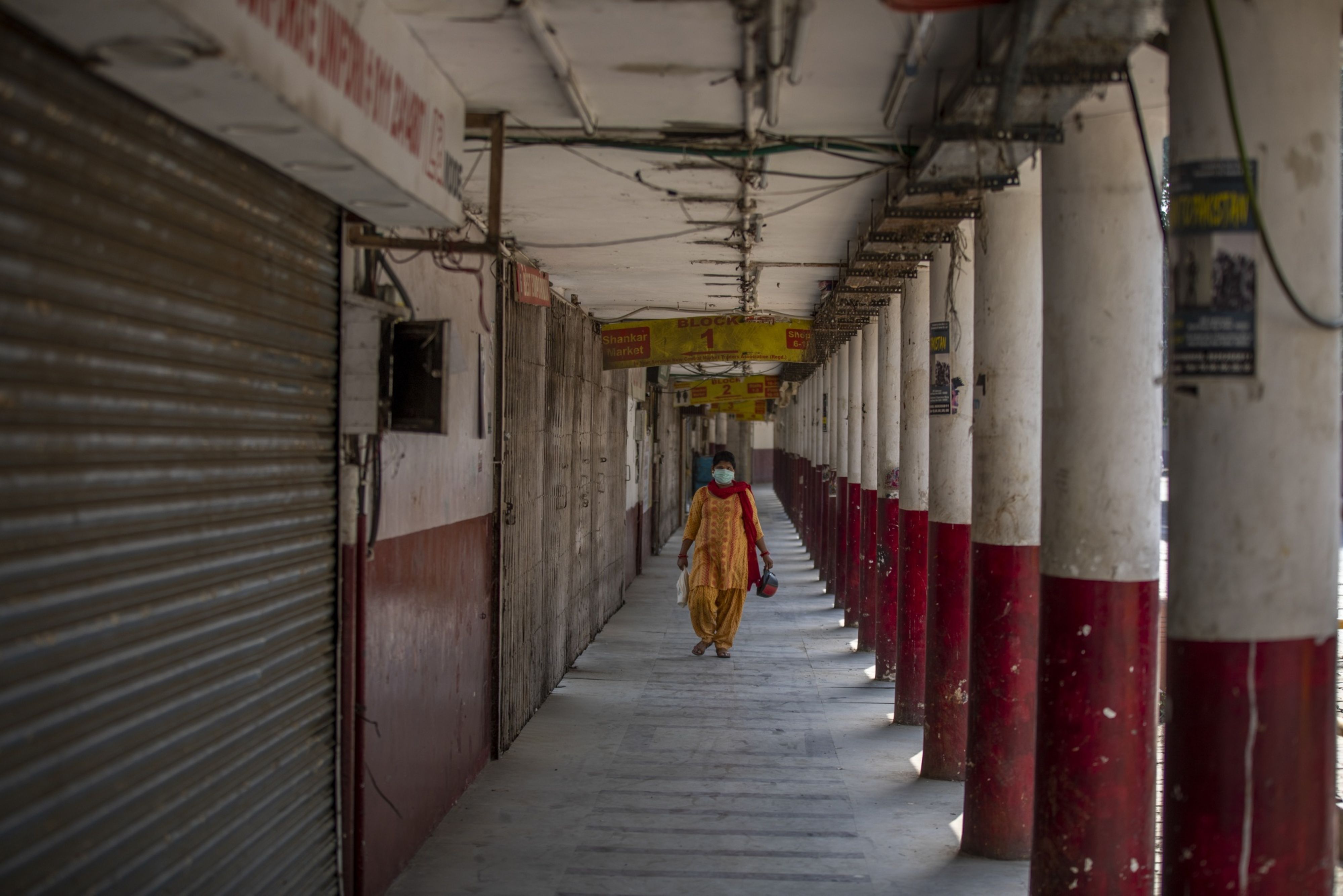
There are some risk factors, when the lockdown opens there will be much greater mobility of people, there could be more widespread transmission of the virus, so we have to maintain as much as possible physical distancing, continue practices like wearing masks and hand-washing as precautionary measures, he said. Things are going to be difficult in overcrowded areas, especially slum areas. We will have to try and provide as much facilities as possible, particularly for elderly people and to people with co-morbidities, whether they can be provided temporary shelters elsewhere with good social cares.
Source: PTI