Weak Rural Demand Key To Growth Slowdown, Pronab Sen Says
Weakness in rural demand remains a key contributor to the slowdown in the broader economy, says Pronab Sen, former chief statistician of India. The Indian economy is expected to grow at 6.5 percent in 2017-18 - the slowest pace since 2013-14. Growth is being pulled down by weakness in both agriculture and manufacturing.
The agriculture sector, in nominal terms, is expected to grow at a mere 2.8 percent in 2017-18 compared to 9 percent nominal growth during the previous year. Weakness in nominal growth, which build in the impact of lower farm prices, partly explains distress in the rural economy reported over the last 12 months.
“What has actually been happening post 2013 is that farm prices have been seriously depressed. The terms of trade are moving against agriculture which means that we had poor agriculture because of drought and demonetization and the price effect adds to those woes, which is serious,” said Sen in a conversation with BloombergQuint.
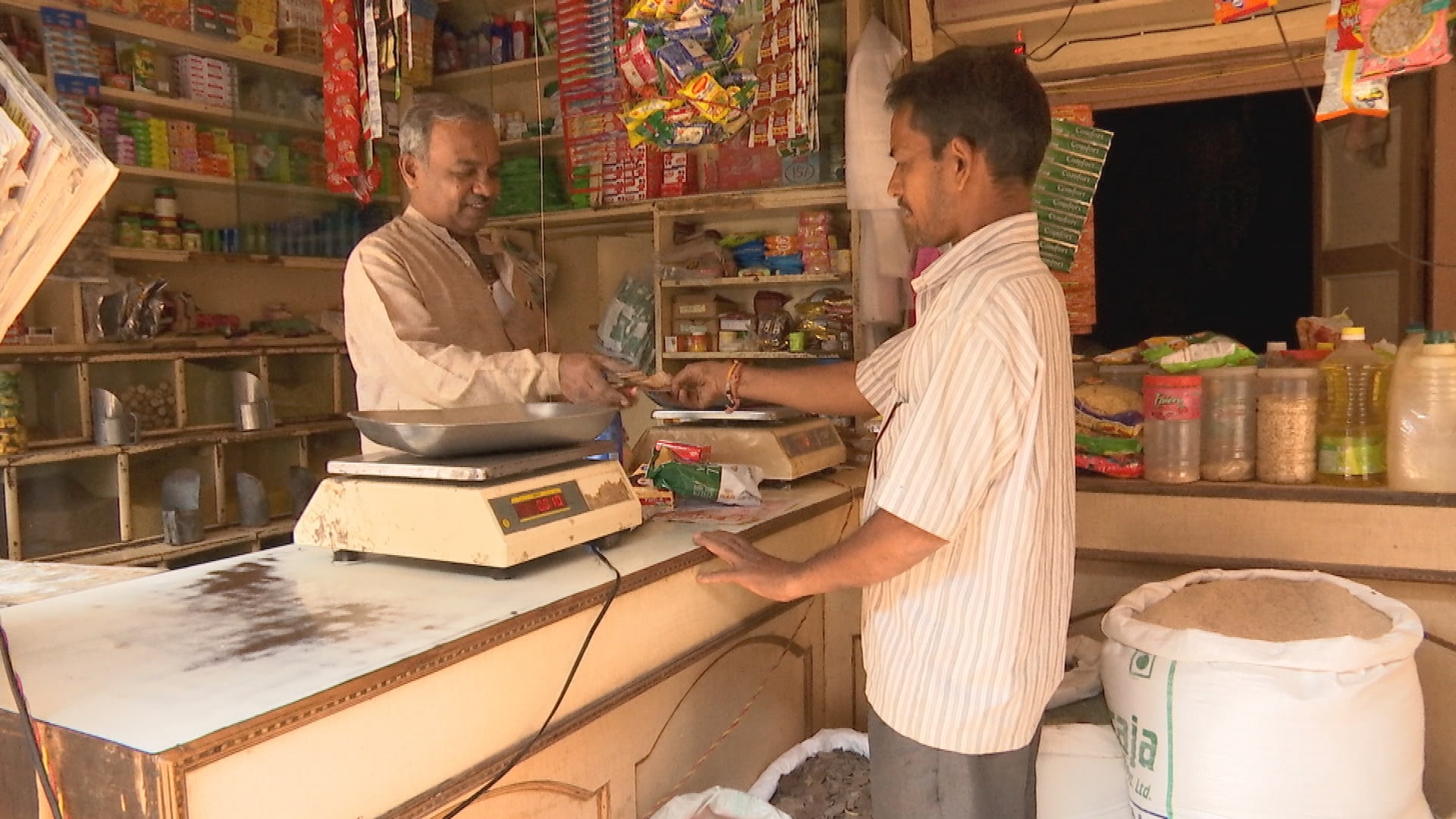
Sen, however, added that the rural economy should not only be equated with the farm sector as rural incomes have diversified beyond agriculture. More than 55 percent of rural incomes now comes from non-agricultural activities, said Sen.
Today for an average farm family, 30-40 percent of income come from non-farming activities. But it rides on agriculture, which provides the base. So, you have to think of how you prop up agriculture and how do you assist in non-agricultural rural activities from taking advantage of that agricultural prop.Pronab Sen, Former Chief Statistician Of India
Also Read: Farm Loan Waivers: The Economics And Politics Of Indian Agriculture
Apart from weakness in the farm sector, the Indian economy is also being hurt by sluggish growth in manufacturing. The Indian economy has been hit by the twin shocks of demonetisation and GST over the past 14 months. Both have hit the unorganised sector.
Sen explained that the growth is reflected in the GDP data accounts mostly for the organised sector. This, he notes, suggests that actual conditions in the manufacturing sector may be even worse.
The manufacturing sector is expected to grow at 4.6 percent in the current fiscal compared to 7.9 percent last year. One reason for this is also the performance of exports. Despite the strong global growth, export growth in the current year is seen at a moderate 4.5 percent - the same as last year. Imports, meantime, are expected to rise 10 percent compared to 2.3 percent last year.
Clearly, manufacturing is hurting. Partly that reflects weakness in rural demand. On the other hand, the global economy has been looking a lot better now and will continue to look better as we move forward. But we still haven't been able to take advantage of it, which other countries have. Part of it also has to do with policy hiccups that have prevented the Indian economy from taking of advantage of the pick-up in the global economy.Pronab Sen, Former Chief Statistician Of India
Sen also pointed out that a key concern for India remains the declining share of investment in the economy. While gross fixed capital formation is expected to grow by 4.5 percent this year compared to 2.4 percent last year, the contribution of investment continues to decline.
The contribution of gross fixed capital formation to GDP is seen slipping further in FY18 to 29 percent compared to 29.5 percent last year.
When asked whether government policies should be focused on reviving investment in the economy, Sen said it is not clear whether investment leads or lags growth.
My sense is you cannot boost investment by itself. You need to see the demand side of economy growing and investments will come and then it becomes a virtual cycle. But you cannot expand the investment cycle, except through public expenditure, which the government is already doing.Pronab Sen, Former Chief Statistician Of India

-
Why Amazon And Flipkart Are Struggling To Beat Meesho In India's Smaller Cities

With 274 million users and lowest-cost logistics, Meesho is defending its value commerce crown against giants like Amazon and Flipkart.
-
High US Salaries, No Green Card Certainty: The Financial Calculation Facing Indian H-1B Families
The suspension of PERM processing at eight technology employers does not cancel existing H-1B visas. What it does is force a question many Indian families have been avoiding: is the US salary worth tying your career and family plans to one employer?
-
Swiggy vs Eternal: Food Delivery's Two Rivals Are No Longer In The Same Race
Eternal is building a private AI assistant, dark.ai. Swiggy is still working out how to make Instamart pay, with an operating loss of Rs 895 crore in the July-September quarter while Blinkit stayed profitable.
-
Where You Live Shapes How You Get To Work | The Reason Why
Two-wheelers are the most popular way to get to work in India, accounting for nearly 43% of workplace commutes.
-
Unhedged Position: Can India See An Indonesia-Style Time Correction?
The Nifty is trading below levels it first clocked in 2024. Is there, then, as I have suggested in the headline, potential that the current time correction drags on painfully for the next three-five, even ten years?
-
Navigating Friction And Energy Realities: An Analysis Of Marco Rubio's October Visit To India
Occurring at a critical juncture marked by stalled trade negotiations and escalating geopolitical pressures over global energy supplies, the visit offers a profound window into modern US-India relations.
-
India Exports Capital. Why Not Export Trusteeship?
The big question, then, is whether India can build an institution that global borrowers, investors, banks, and lawyers can trust, even without an Indian connection.
-
France's Economy & Politics Are In Crisis | The Reason Why
Let's look at how the French economy and politics evolved under Nicolas Sarkozy, Franois Hollande and Emmanuel Macron.
-
You May Inherit The Business. You Must Earn Its Credibility.
Succession tests the founder's ability to share authority as much as it tests the next generation's readiness to assume it.
-
Signing Deals Is One Thing; Making Them Work Is Another | The Week In Whys
Sometimes, things don't turn out as planned. Indian companies have lost some bids to rivals, some projects won't produce until 2030.