- The US has proposed 17% tariffs on imports from India under new levies
- Tariffs of up to 20% are proposed on the European Union and China
- Vietnam faces a 20% tariff under a trade deal with the US
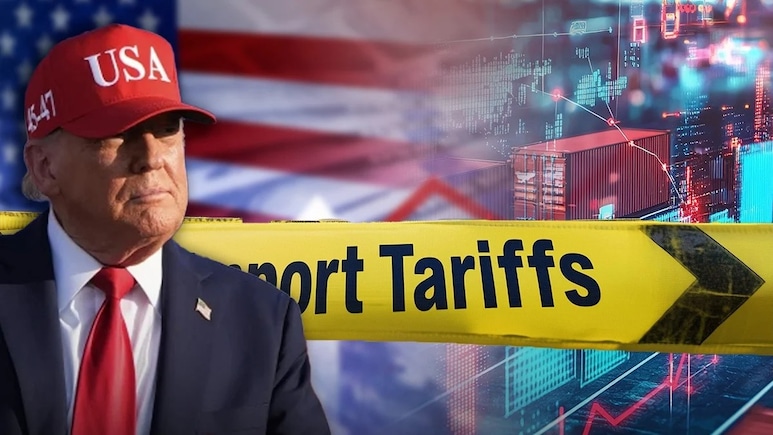
The United States has proposed 17% tariffs on India, under a fresh set of levies imposed by the Donald Trump-led administration. The proposed rate for India is part of a broader tariff framework unveiled following trade investigations by Washington. The latest proposals also cover the European Union, China, Japan, Vietnam, Thailand and Taiwan.
According to Bloomberg, the US has proposed tariffs of up to 20% on the European Union and at least 20% on China following the trade probes.
Vietnam has been proposed a 20% tariff rate under a trade deal arrangement, while Thailand could face duties of at least 18%. For Japan and Taiwan, the US has proposed tariff rates of 15%, net of most-favoured-nation (MFN) tariffs, according to the report.
Also Read | Layoffs Are Rising In Tech, But These Skills Are Helping People Unlock Better Pay
The US Trade Representative's (USTR) office announced the proposed duties after concluding its investigation under Section 301 of the Trade Act of 1974. The probe examined whether the manufacturing policies and practices of trading partners were contributing to excess production, distorting global markets and restricting US commerce.
The rates vary across countries, with some linked to existing trade agreements and others structured as additional duties over prevailing MFN tariffs.
According to BBC, the move follows an investigation launched by the White House in March into the trade practices of several countries, after the US Supreme Court struck down President Donald Trump's previously announced Liberation Day tariffs, ruling them illegal.
China faces the steepest proposed tariff rate of up to 40%, followed by Vietnam at as much as 35%. Other trading partners are facing proposed rates of either 20% or 25%.
However, the effective tariff burden on some countries could be lower, given the caps agreed upon by the Trump administration under existing trade deals.
BBC reported that Trump has repeatedly threatened and imposed tariffs since returning to the White House, arguing that higher import duties would encourage companies to shift manufacturing to the US, strengthen domestic industries and create jobs.
ALSO READ: India 17%, China 20%, Japan 15%: Who's Winning And Losing Under Trump's Proposed Tariffs?
For months, India and the United States have been negotiating an interim bilateral trade agreement, the framework of which they finalised in February. It went back to the discussion board after the Supreme Court struck down the International Emergency Economic Powers Act tariffs imposed last year.
Under the deal, New Delhi is seeking lower tariffs for its goods in the US market than its competitor nations such as Bangladesh, Vietnam, and Cambodia.
Essential Business Intelligence, Sharp Market Insights, Practical Personal Finance Advice, Daily Fuel, Gold and Silver Prices, Watch Business News Live and Latest Stories — On NDTV Profit.