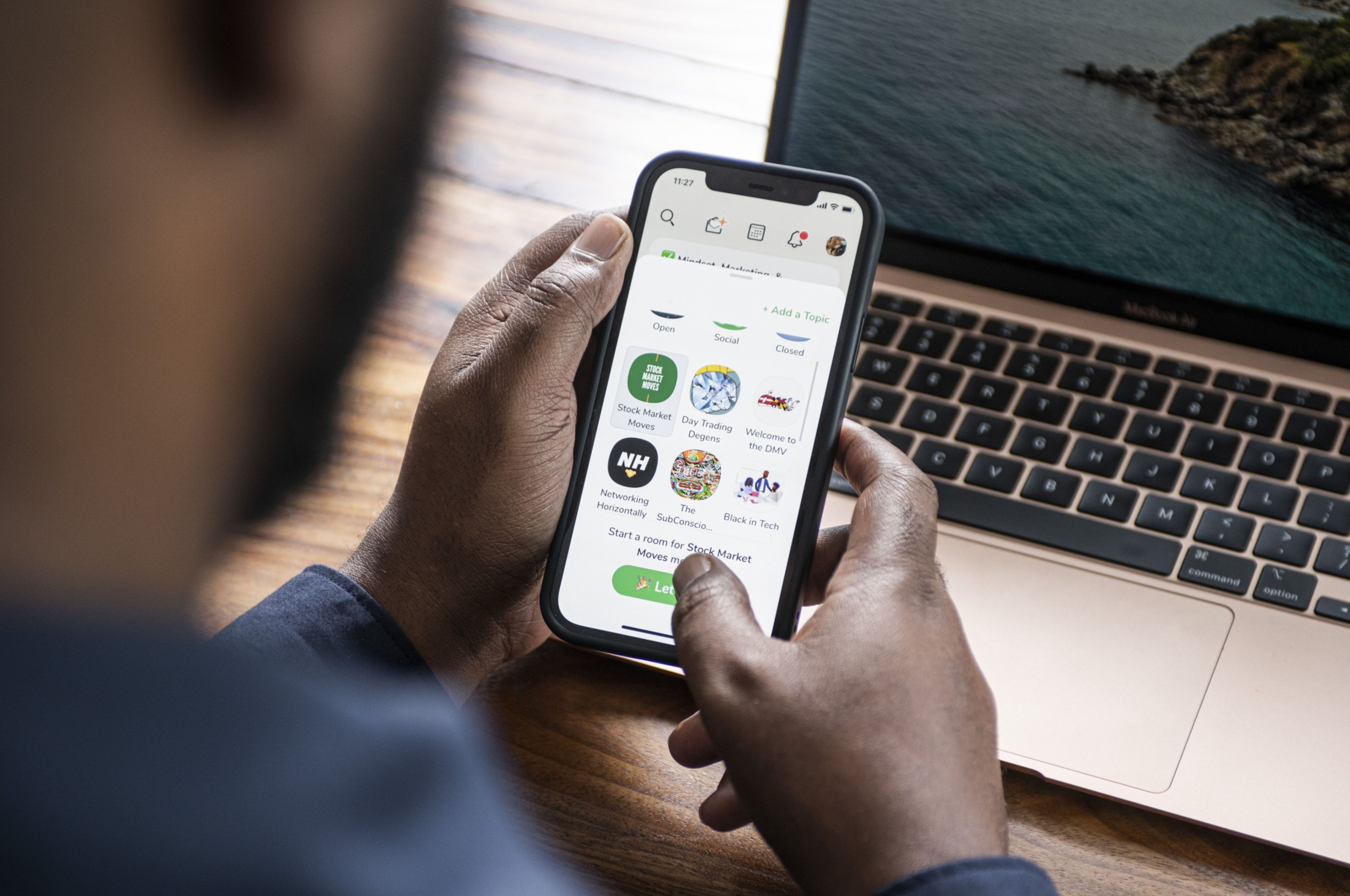
A few weeks ago, I was invited by a friend to join Clubhouse, the new audio-based social media app that everybody is talking about. I joined reluctantly, admittedly due to FOMO. Over a month in, I'm fascinated by the ecosystem it has become and people's capacity to, well, continuously converse. It's like being in an un-ending, clubby, Silicon Valley conference.
Venture Capitalists Marc Andreeson and Ben Horowitz, the biggest backers of Clubhouse, host shows on the platform and often hop between rooms – but everyone from Oprah to Mark Zuckerberg have made appearances on the platform. And no success nowadays seems complete without an Elon Musk endorsement whether it's Bitcoin, Signal, Mars, or Marijuana. The mercurial Tesla founder played journalist on Clubhouse recently, interviewing the chief executive of Robinhood, Vlad Tenev, on the Reddit-led GameStop stock trading controversy.

Clubhouse is probably not for everyone – it prides itself on exclusivity and hasn't even launched on Android yet - that probably adds to its lure. Silicon Valley tech leaders and investors can use it to network or even have a direct conversation with a select audience, while blocking pesky journalists. They aren't the only ones though. Any user can create their own rooms, pitch ideas, answer questions, and create visibility within a community behind a velvet rope of exclusivity.
It may be the newest, but Clubhouse is just one of many platforms that are luring people to create their own content and giving them the tools to promote, and possibly monetise, that content.
New apps are being launched every day to feed this new economy - that focuses not on selling engagement but to engage you to create and help you monetise your creation.
What Is The Creator Economy?
Picking a definition from Signalfire, it is “…the class of businesses centered around independent content creators, curators, and community builders including social media influencers, bloggers, and videographers, plus the software and finance tools designed to help them with growth and monetisation.”
The central premise of the creator economy is that what traditionally was the audience is now no longer just a consumer but also a creator who can partake in the profits.
Creator platforms are not new. The big social media giants like YouTube, Twitter, and Facebook created the first layer of the creator economy. In the early days, they freely allowed content to be distributed but the creators of content didn't necessarily profit from it as advertising and subscriptions were controlled by the platforms. Then they started paying the most successful of these, the ‘influencers' – creators whose work found a large audience. Even then, the creators had no direct relationship with the consumer. The platform controlled the engagement.
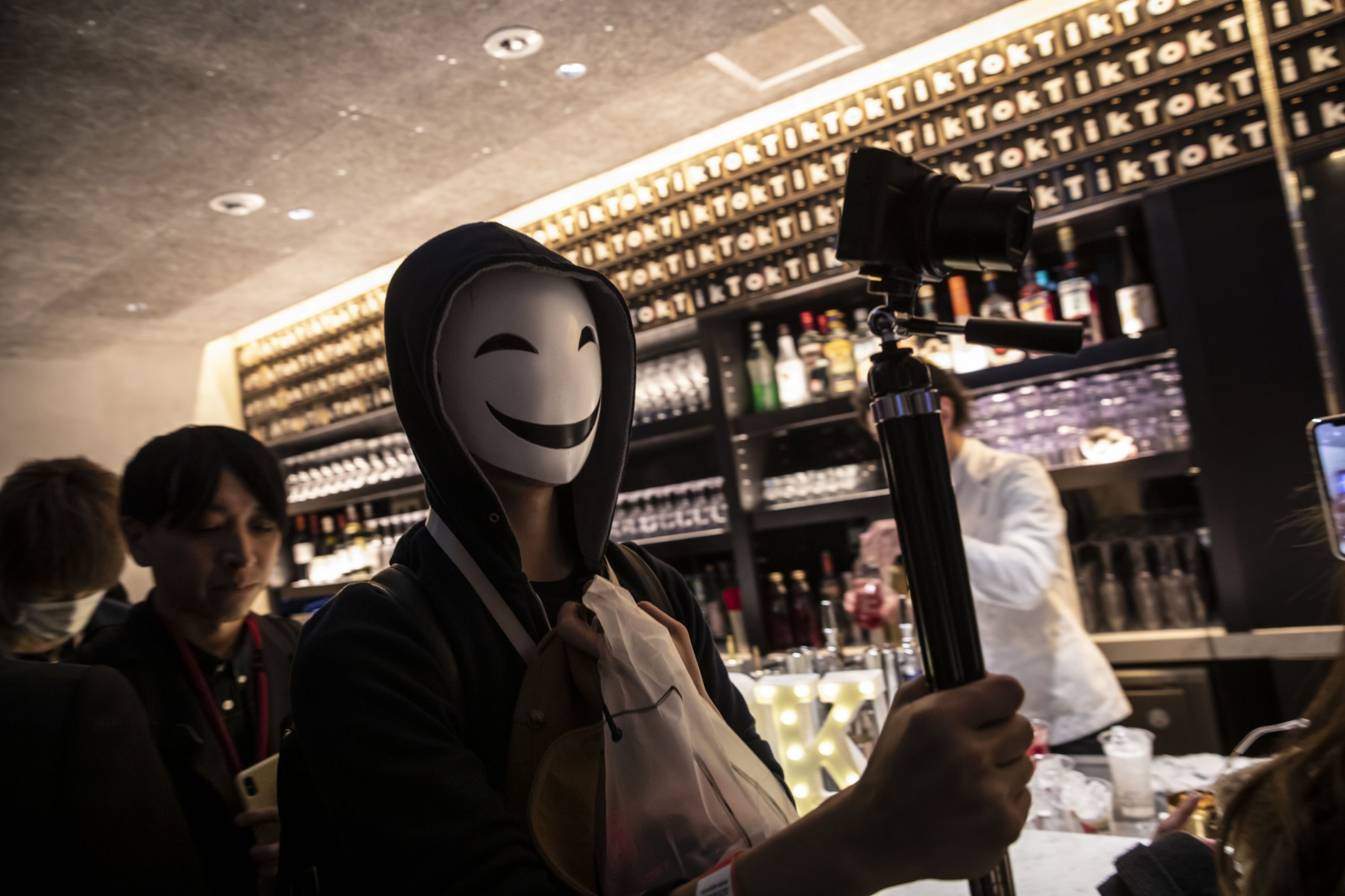
Like I said earlier - it's not a new game. There's already TikTok, Twitch, Patreon in video content, Spotify in music and podcasts, Shopify and Etsy in e-commerce, and the newsletter platform Substack in journalism...
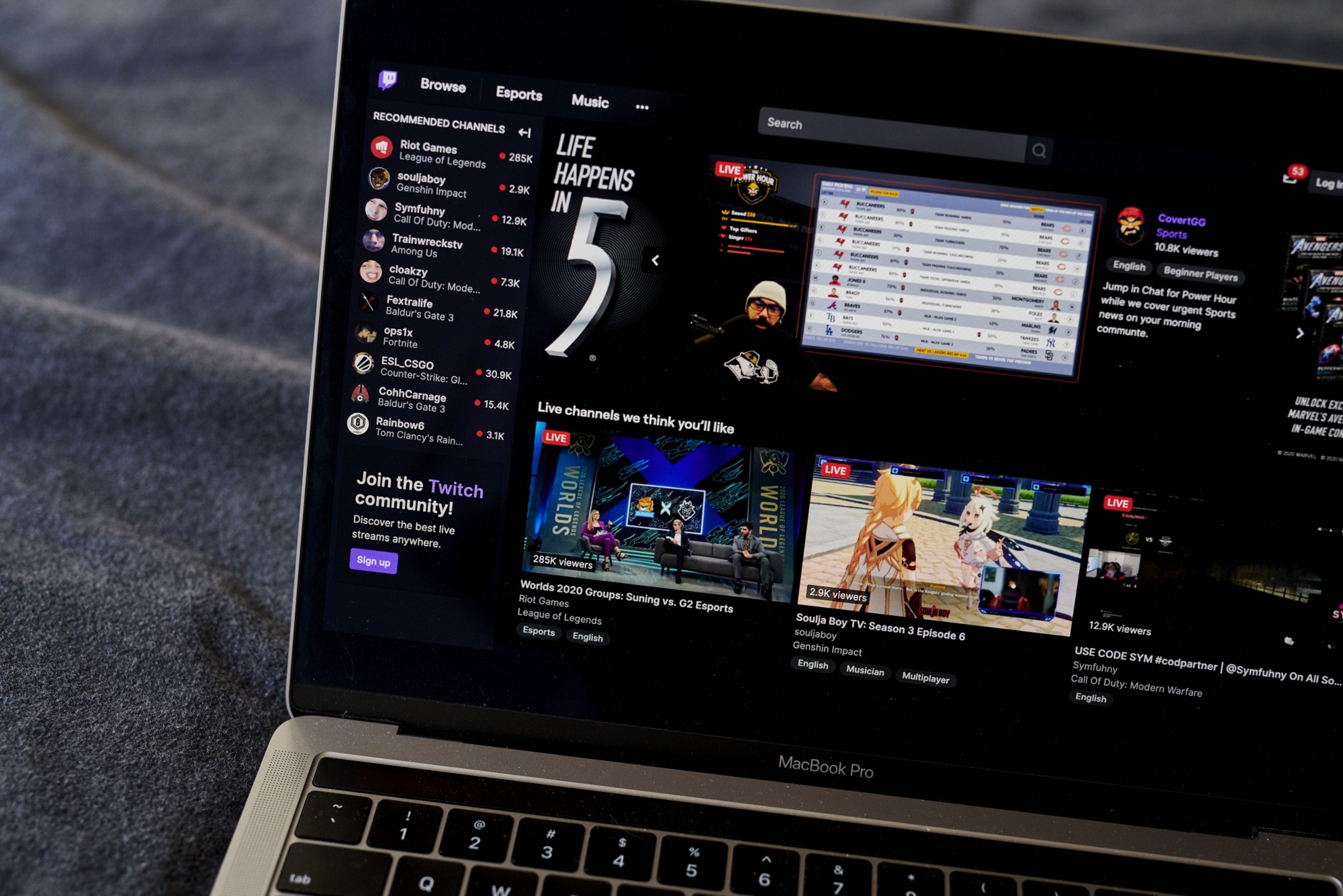
All of them work proactively with creators to refine their monetising capabilities.
Even new ones like Clubhouse, yet to make any revenue itself, have focused on creators, offering accelerator programmes, equipment and training to make shows, promote and also financially support them.
These platforms are helping to bypass the traditional routes of reaching an audience.
It's early yet but some outcomes are visible. For instance, Substack helps journalists create newsletters, promote and monetise them through subscriptions. The top ten Substack writers make nearly $10 million annually at a time when mainstream publishers are cutting newsroom jobs.
The big, by-now-traditional social media giants have seen the threat and the opportunity. They've realised they need to pivot from just monetising engagement, which they have done relentlessly well for most of the last decade, to actively helping creators monetise their creativity.
Twitter recently started Twitter Spaces to compete with Clubhouse and also bought Revue, a newsletter generator to compete with Substack. It has announced that it's also introducing ‘Super Follow', which allows those with large followings to earn from their tweets and exclusive content. Facebook is testing tools to give its billions of users the ability to publish and monetise newsletters. After all, given its recent skirmishes with news media companies, Facebook probably could do with creating millions of publishers itself! Meanwhile, Google has launched YouTube Shorts to compete with TikTok.
This week in India we're launching an early beta of YouTube Shorts, a new way to discover, watch and create short, vertical videos on the YouTube app.
September 14, 2020
Even if you don't live in India, you can still upload your short videos today. Learn more → https://t.co/6VySxIwMB9 pic.twitter.com/M0jXHoJkkiDon't get me wrong.
it's not as if the Facebook + Google duopoly weren't serving the creator community already. YouTube and Instagram, for instance, are the most used platforms by more than 50 million people globally who call themselves independent content creators, according to Signalfire.
The Shifting Balance Of Power
What‘s changed is the greater focus on helping creators find real value for their work in addition to finding an audience. Creators are, in turn, finding out they have more negotiating power than they ever had with the bigger platforms and a new generation of people are choosing to strike out on their own to make a living than work for somebody else. Many are using multiple platforms so that they are not dependent on one platform's whims and ever-changing algorithms.
This creator economy phenomenon accelerated as the pandemic forced people to work from home giving them the time to both create and consume. Innovation is also being unleashed at break-neck speed. From content to e-commerce to services to gaming, they are all creating their versions of creator platforms, each serving a particular audience.
Besides new creator platforms sprouting every day, there's also a plethora of new support tech companies feeding this ecosystem. Start-ups like Stir, Tidal, ION, rally.io, and others are helping creators transition from hobbyists to entrepreneurs.
Creators too are adapting quickly. Some have begun banding together, collaborating and creating small companies, that provide content, merchandise, or services, and the platforms are helping to facilitate this.The next big media company or the next big digital retailer may have its origins in this universe.
The recent NFT – or Non-Fungible Tokens – rush is another example of how creators have been empowered. While NFTs have been around for a while, there has been a sudden surge of demand for them. A digital work of art by the artist Beeple sold for $69 million – that's in the range of what a Van Gogh or a Rembrandt would cost.
Beeple NFT sold for $69 million, making it the third-most expensive artwork to sell at auction—ever https://t.co/myjYyfM4Pt
March 12, 2021This has prompted several others to tokenise their creations or collectibles. Dozens of works are being auctioned and it's not just art. Even venerable news publications are trying NFTs. TIME recently tokenised and auctioned versions of their famous 1966 cover “Is God Dead?” and New York Times auctioned a crypto art piece that the publication says was more an experiment. I'm sure they aren't complaining that it yielded more than half a million dollars, which will go to a New York Times charitable fund, and, who knows, may someday be a new revenue line. Any limitation lies only in the story you can create around a collectible.
We live in an age that is generating more content than can probably be consumed. The creator economy is adding a new paradigm by making a content creator of everybody, democratising creativity but also devaluing it.
It is driving everything down to saleability - where every aspect of life can and is being monetised as pointed out in a recent New York Times column by technology reporter Taylor Lorenz.
Creators are selling everything from their day-to-day choices to their personal decisions and there are people buying into it.
If any of the above doesn't sound a bit like irrational exuberance, to borrow the phrase from Alan Greenspan, nothing does. But these platforms have shifted the balance, perhaps irreversibly, to the creator and judging from the billions of dollars being poured into all types of creator companies Silicon Valley seems to be betting big on individual enterprise.
Substack just raised more than $65 million from investors including A16Z at a staggering valuation of $650 million while Bloomberg reported that Cameo, which connects customers to celebrities raised funding valuing it over a billion dollars.Not All Things Are Created Equal
A Lego/Harris Poll survey from 2019 found nearly 30% of children between 8 and 12 years old, polled in the United States, United Kingdom, and China, wanted to be YouTube influencers. Okay, a good number also said they wanted to be to be astronauts and I'm sure a few would have chosen to be an Avenger given a choice.
While it's great that there seem to be more career choices for the next generation, the creator economy cannot yet be considered the new fount of employment.
Remember, only the top 1-2% of content creators make money.This more or less reflects the wealth concentration in society but to be fair, creative industries always throw up only a few winners in a sea of mediocrity.
It's a class system that's unintentionally being crystalised on these platforms.
Li Jin, the founder of the venture capital firm Atelier, credited for coining the term Passion Economy, writes in the Harvard Business Review that the creator economy lacks a healthy middle class, which is important for it to thrive as an ecosystem. While Jin offers some ideas, this concentration poses a particular dilemma for an ecosystem that relies on the idea of democratizing creativity.
As expected, a few big influencers will drive audience and profitability and it will be a race between platforms to get hold of them.
There are a lot of other, less discussed problems that lie ahead for creator platforms like risks around privacy and abuse. There will be a time for that.
At the moment, the tantalising hope of making a living relying solely on your creativity, talent, and enterprise instead of pleasing your boss to climb a corporate ladder, far outweighs the risks and challenges.
Parry Ravindranathan is a global media executive and has worked for Bloomberg, Al Jazeera English, Network18, and CNN.
The views expressed here are those of the author and do not necessarily represent the views of BloombergQuint or its editorial team.
Essential Business Intelligence, Continuous LIVE TV, Sharp Market Insights, Practical Personal Finance Advice and Latest Stories — On NDTV Profit.